


TLDR
- Selig says the US is unlikely to outlaw crypto as lawmakers debate clearer asset rules.
- He argues future laws should stop government seizures of Bitcoin and other private digital assets.
- The CFTC chair links crypto policy to civil rights, banking access, and market growth goals.
- He says CLARITY and GENIUS Acts could help set fair rules for the industry nationwide.
- His comments follow claims that past banking pressure pushed crypto firms away from services nationwide.
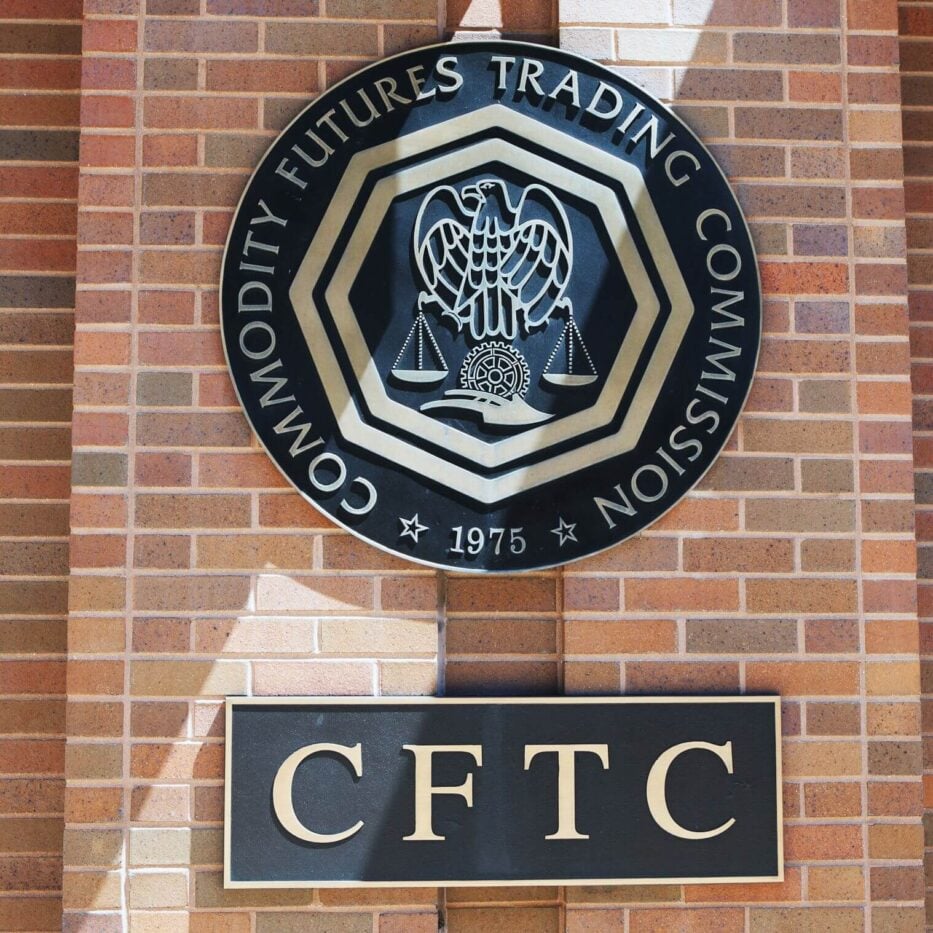
CFTC Chair Mike Selig has said the United States is unlikely to outlaw digital assets. His comments come as lawmakers debate new crypto rules and stronger rights for asset holders. The stated focus is government seizure of crypto assets, including Bitcoin, without clear legal limits.
CFTC Chair says seizure limits must be clear
Moneycheck reported on May 23 that Selig made the comments in a recent interview. He said the market needs a lasting legal space for digital assets. He also said users need protection from broad government seizure powers.
Selig said, “there is very little chance that digital assets will be outlawed in the US.” The comment addressed fears that federal agencies could move against crypto ownership. He also framed property rights as a core issue for users and firms.
The CFTC chair did not call for a market without rules. Instead, he pushed for a framework that lets digital assets grow under clear law. He said rules should protect users and still give firms room to operate.
Selig also referred to Bitcoin when discussing personal ownership rights. He said the government should not be able to seize people’s crypto assets without limits. That position places user control at the center of the policy debate.
CLARITY Act and GENIUS Act enter crypto rule debate
Selig pointed to the CLARITY Act and the GENIUS Act as needed legal guides. He said statutory guidance matters because agencies need clear lines for enforcement. The measures are part of wider efforts to set rules for crypto markets.

The CLARITY Act is linked to oversight roles for digital asset markets. The GENIUS Act is tied to stablecoin rules and payment activity. Selig said such laws could reduce disputes between companies and regulators.
He also warned against rules that can shift through agency action alone. In his view, Congress should set the main direction for crypto regulation. That approach would give courts, firms, and users a clearer legal base.
The comments arrive during a broader push for US crypto regulation. Lawmakers have debated how to treat Bitcoin, stablecoins, exchanges, and custody services. Selig said forward-looking rules could support long-term market growth.
Operation Choke Point concerns shape banking debate
Selig referred to Operation Choke Point while discussing banking access for crypto firms. The term describes claims that banks faced pressure to cut services to certain sectors. Crypto groups have used similar language for actions during the previous administration.
He said updated laws could prevent a repeat of that pattern. Banks play a key role because crypto firms need accounts and payment services. Limited access can slow business activity, even when companies follow the law.
Selig’s remarks connect crypto rights, banking access, and market rules in one debate. They also show how digital asset policy now includes ownership protections. For now, the CFTC chair says an outright US crypto ban appears unlikely.
The debate is expected to continue as Congress studies crypto market structure. Regulators may still pursue fraud, market abuse, and other legal violations. However, Selig’s message focused on clear rules and limits on asset seizure.
Get 3 Free Stock Ebooks
Discover top-performing stocks in AI, Crypto, and Technology with expert analysis.
- Top 10 AI Stocks - Leading AI companies
- Top 10 Crypto Stocks - Blockchain leaders
- Top 10 Tech Stocks - Tech giants



