


Key Points
- British Prime Minister Keir Starmer has declared a comprehensive prohibition on social media access for children under 16 years old
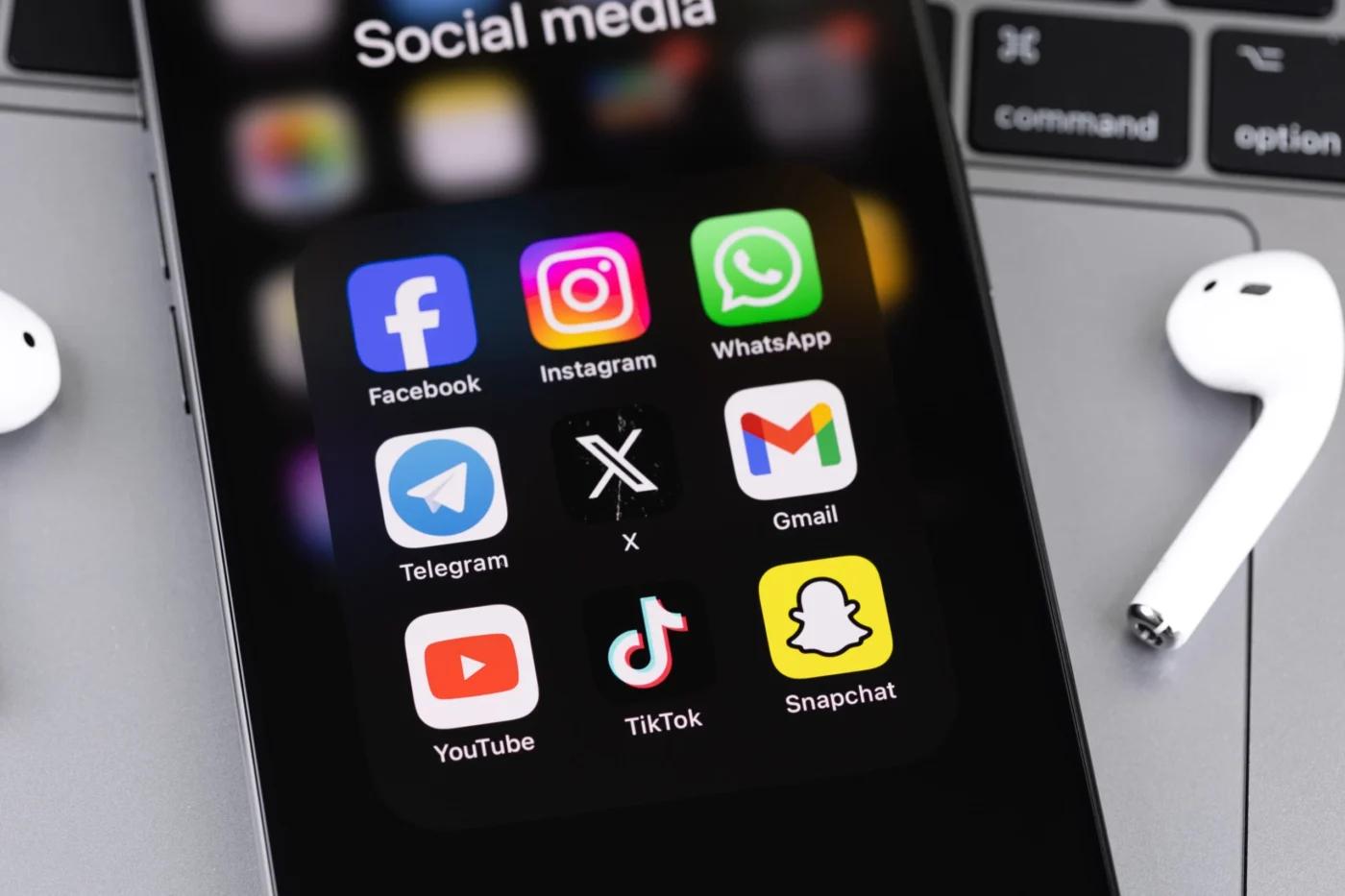
- Major platforms including TikTok, Instagram, Facebook, YouTube, Snapchat, and X will be subject to these restrictions
- Parliamentary legislation is scheduled for introduction before Christmas, with enforcement beginning in Spring 2027
- Romantic or sexual AI chatbots will be restricted to users aged 18 and above
- American diplomatic officials have expressed concerns about the broad scope of the ban and its impact on US technology firms
Britain’s government has unveiled a sweeping initiative to prohibit children younger than 16 from using major social media services. The announcement came from Prime Minister Keir Starmer during a Monday press briefing at Downing Street on June 15.
The prohibition will encompass popular platforms such as TikTok, Instagram, Facebook, YouTube, Snapchat, and X. Notably, encrypted messaging services including WhatsApp and Signal will remain accessible.
During his address, Starmer characterized social media as a force “making children unhappy” and defended the complete ban as “the right choice.” He emphasized his unwillingness to negotiate on matters concerning children’s “safety and happiness.”
This decision mirrors similar action taken by Australia, which recently elevated its minimum social media age threshold to 16. However, the British initiative is anticipated to be more comprehensive in its implementation.
Scope of the New Regulations
The proposed framework will impose limitations on potentially dangerous features including live broadcasting capabilities and communication with unknown users on gaming platforms. These safeguards will be automatically activated for users under 16.
Teenagers aged 16 and 17 will also have certain protective restrictions enabled by default. This graduated approach aims to prevent an abrupt transition when users reach the age threshold.

Artificial intelligence chatbots designed to mimic romantic or sexual interactions will be limited to adults 18 and older. Additional intimate AI chatbot functionality will be off-limits to anyone below 18.
Authorities are examining the possibility of implementing nighttime access restrictions and interruptions to endless scroll features for the under-18 demographic, though these measures remain under consideration.
Ofcom, the UK’s communications regulator, has been tasked with conducting a comprehensive study on age verification techniques. The Technology Secretary has called for an expedited assessment of Ofcom’s enforcement capabilities.
The government has committed to providing financial support to Ofcom for executing its expanded duties under the Children’s Wellbeing and Schools Act.
Public Response and Critics
A government consultation drew approximately 116,000 submissions, ranking as the second-most-participated consultation in British history. More than 83% of parents indicated that social media’s dangers exceed its advantages for young people. Ninety percent of parents expressed support for establishing 16 as the minimum age.
Roughly two-thirds of children surveyed acknowledged that limiting high-risk features would enhance their safety. Nevertheless, 72% expressed anxiety about social exclusion if such restrictions were implemented.
Opposition to the ban exists. The Molly Rose Foundation, established following the 2017 death of 14-year-old Molly Russell, who ended her life after exposure to harmful online material, stated the ban “will fail to tackle fundamental product safety risks.”
Certain legislators contended that educational video resources utilized by young students for academic purposes should be distinguished from traditional social media platforms.
The United States embassy in London has also voiced reservations, indicating American preference for “narrowly targeted requirements” and warning that an all-encompassing ban could impose substantial compliance obligations on American technology corporations.
The proposed legislation is projected to be presented to Parliament before 2026 concludes, with enforcement mechanisms taking effect in Spring 2027.
Get 3 Free Stock Ebooks
Discover top-performing stocks in AI, Crypto, and Technology with expert analysis.
- Top 10 AI Stocks - Leading AI companies
- Top 10 Crypto Stocks - Blockchain leaders
- Top 10 Tech Stocks - Tech giants



