


Key Takeaways
- Bitcoin’s limited supply of 21 million coins positions it as a scarce digital asset with growing institutional support and ETF accessibility
- Ethereum serves as the foundation for decentralized finance, stablecoin transactions, and tokenization of real-world assets via smart contracts
- The launch of Bitcoin ETFs has simplified crypto access for conventional investors seeking market exposure
- Ethereum’s transition to proof-of-stake dramatically reduced environmental impact while introducing staking opportunities for token holders
- Contemporary investors increasingly diversify across both assets, leveraging Bitcoin’s stability alongside Ethereum’s expansion opportunities
In 2026’s evolving cryptocurrency landscape, Bitcoin and Ethereum continue to dominate market attention — yet each offers fundamentally different value propositions to investors.
Why Bitcoin Functions as Digital Gold
Bitcoin operates under a strict maximum supply limit of 21 million tokens. This built-in scarcity has positioned it among the most limited assets within global financial markets.
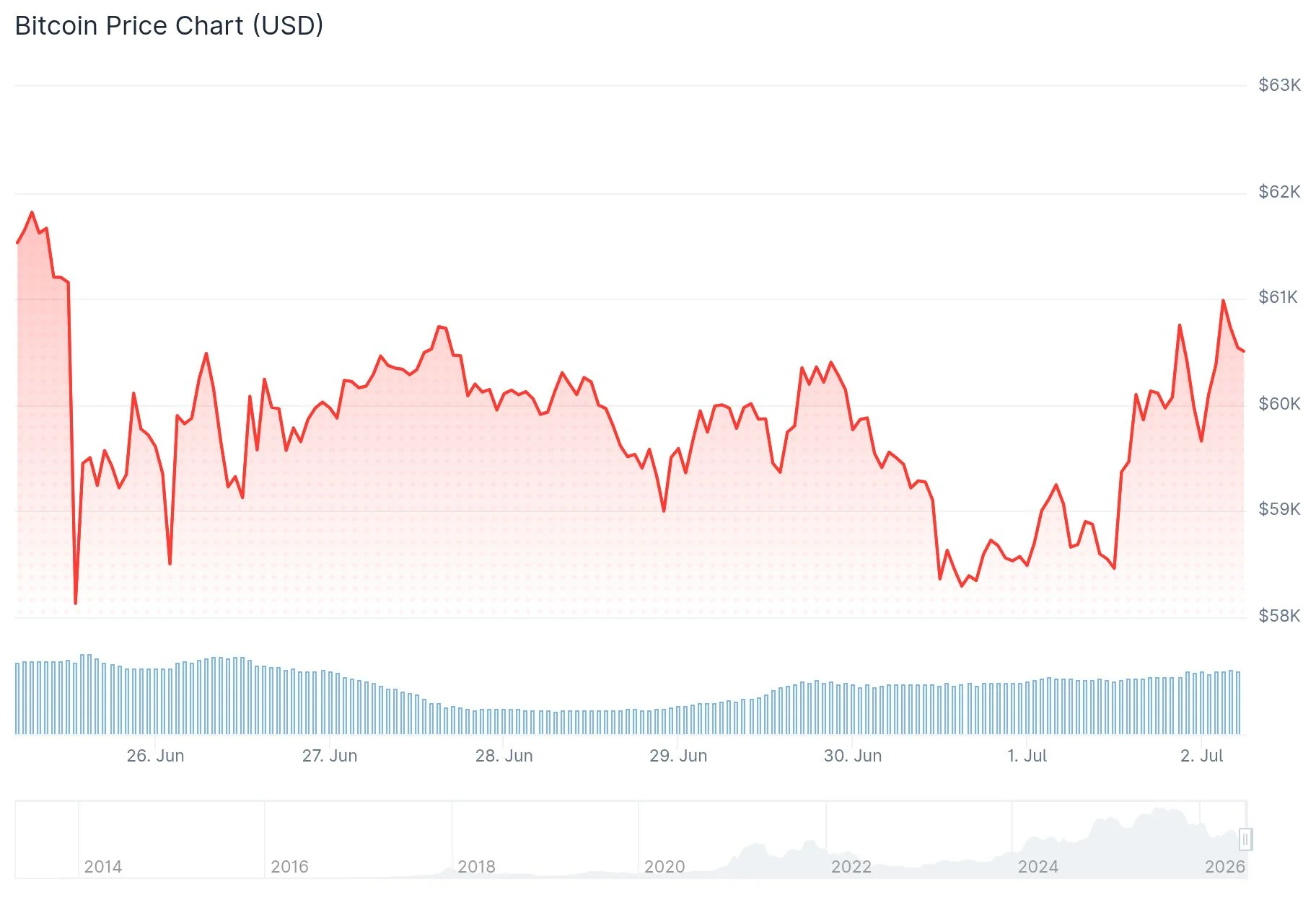
Institutional players have responded accordingly. Retirement portfolios, corporate balance sheets, and investment management firms have incorporated Bitcoin into their strategies. Spot Bitcoin ETFs simplified this adoption curve, enabling mainstream investors to participate without navigating cryptocurrency custody solutions.
Market observers regularly draw parallels between Bitcoin and precious metals. Should this comparison prove accurate, sustained institutional appetite could provide ongoing price support.
Bitcoin maintains an unchallenged position within its category. No alternative cryptocurrency presents a credible threat to its status as digital value storage.

For risk-conscious investors, this market clarity combined with institutional validation makes Bitcoin the more conservative option between the two.
Why Ethereum Represents Infrastructure Investment
Ethereum’s valuation correlates directly with blockchain utilization. The network enables decentralized financial services, facilitates stablecoin transfers, supports tokenized securities, and hosts thousands of developer-built applications globally.
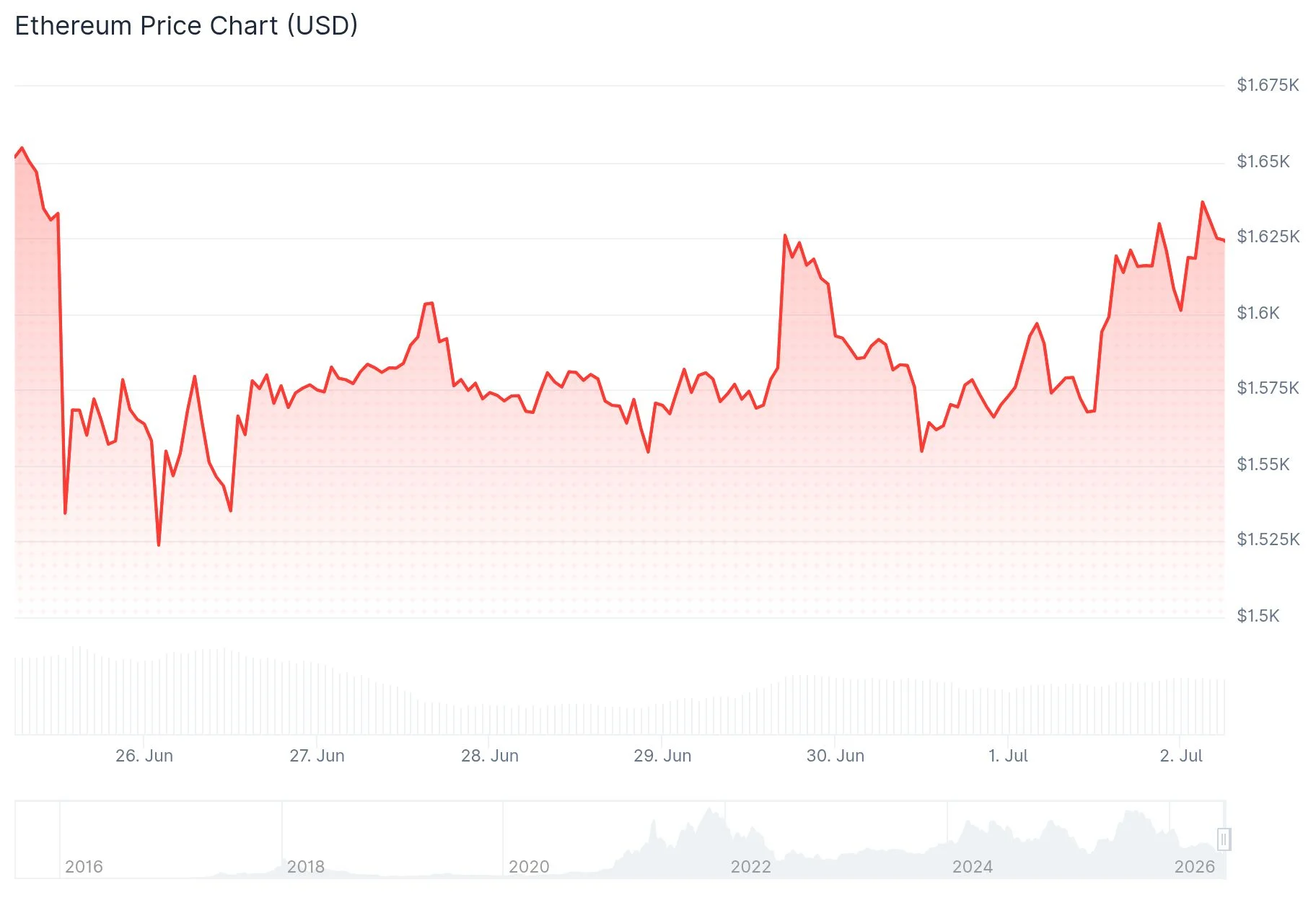
Each user interaction generates network fees. Greater platform engagement translates to increased Ethereum demand.
The proof-of-stake migration slashed Ethereum’s environmental footprint significantly. This upgrade simultaneously enabled staking yields, permitting holders to generate passive returns by contributing to network security.
Traditional financial institutions are now piloting blockchain-based securities and investment vehicles. Ethereum consistently ranks among the preferred platforms for these experimental initiatives.
Advocates contend Ethereum should be evaluated as foundational technology rather than simply another cryptocurrency. This perspective distinguishes it fundamentally from Bitcoin’s positioning.
Ethereum confronts greater competitive pressure than Bitcoin. Platforms such as Solana actively compete for developer mindshare and user adoption.
Bitcoin encounters no equivalent challenge. Its digital gold narrative remains essentially undisputed.
Nevertheless, both cryptocurrencies have attracted substantial institutional investment. Each now features prominently in corporate strategy discussions and regulatory policy debates.
Contemporary investors increasingly reject the either-or framework. Portfolio construction now commonly includes both assets, allocating to Bitcoin for foundational stability while capturing Ethereum’s exposure to blockchain technology expansion.
As of mid-2026, Bitcoin commands superior institutional legitimacy and recognition. Ethereum dominates all competing blockchains in total value secured within decentralized finance protocols, based on current available metrics.
Get 3 Free Stock Ebooks
Discover top-performing stocks in AI, Crypto, and Technology with expert analysis.
- Top 10 AI Stocks - Leading AI companies
- Top 10 Crypto Stocks - Blockchain leaders
- Top 10 Tech Stocks - Tech giants



