



TLDR
- Bitcoin’s mining difficulty decreased 10.09%, falling to 124.93 trillion from 138.96 trillion
- Represents the 11th-largest negative adjustment in Bitcoin’s entire history and 2026’s second-biggest decline
- BTC price dropped approximately 15% throughout June, crushing miner profitability
- Hashprice recovered to above $30 per petahash per second daily after the difficulty reset
- Average Bitcoin production costs hover around $84,300, significantly exceeding the current ~$63,780 market price
Bitcoin experienced a significant mining difficulty reduction of 10.09% on Sunday, decreasing from 138.96 trillion to 124.93 trillion at block height 953,568. According to Galaxy Research, this marks the 11th-largest negative adjustment throughout the network’s entire existence.
The adjustment represents 2026’s second-most substantial decrease, trailing only February’s 11.16% reduction. The current difficulty level marks the lowest point recorded since July 2025.
What Triggered the Difficulty Decline
Bitcoin’s market value declined approximately 15% during June, bringing it down to around $63,780. This price deterioration compressed profit margins for mining operations, compelling numerous operators to deactivate unprofitable equipment.
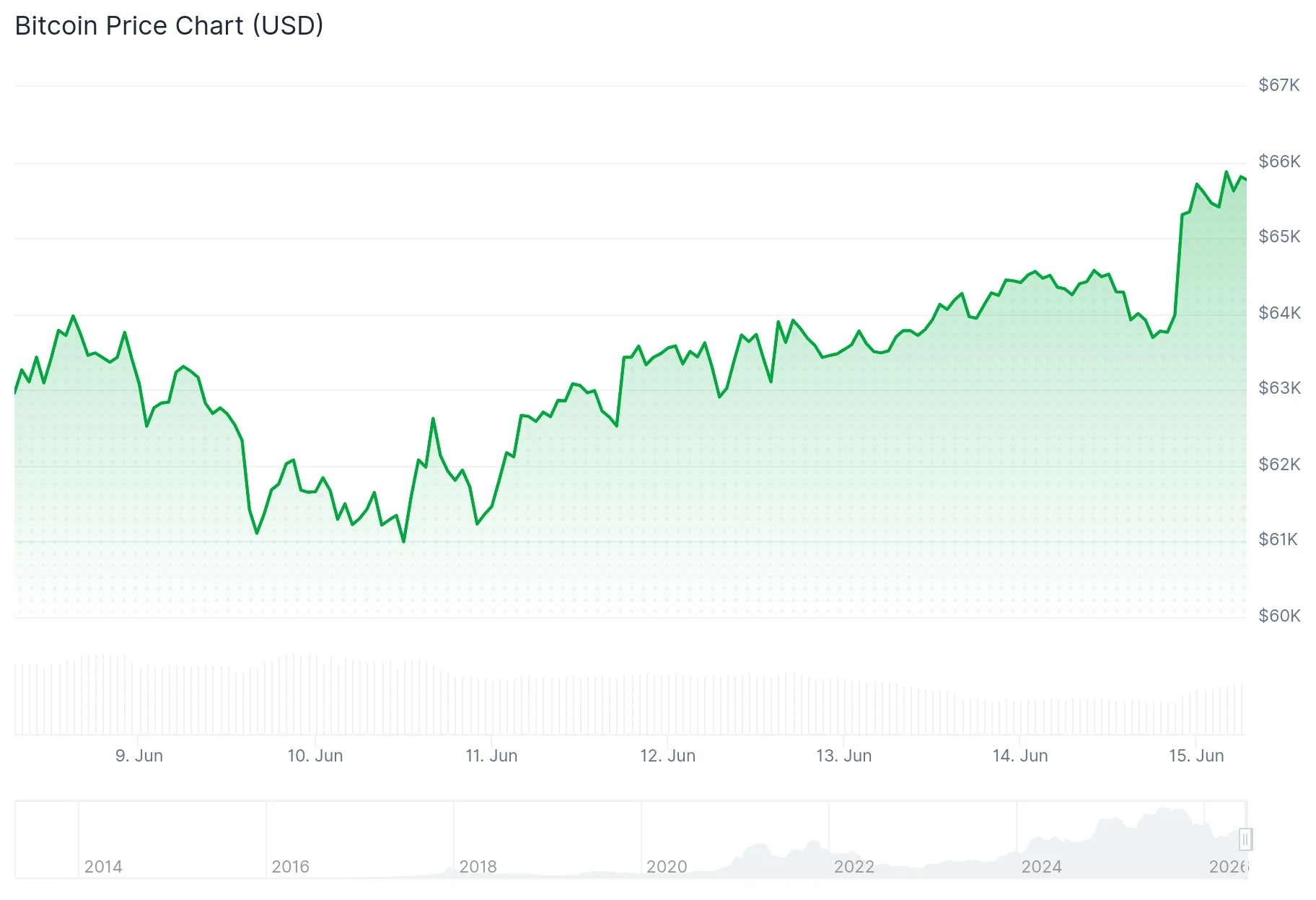
As mining equipment went dark, block production slowed considerably. The preceding epoch extended to 15.6 days, surpassing the standard 14-day benchmark. This extended block time initiated the downward difficulty recalibration.
The network’s mining difficulty recalibrates every 2,016 blocks to maintain average block intervals close to 10 minutes. When aggregate hashrate declines, difficulty adjusts downward accordingly.

The network’s total hashrate currently registers between 886 and 894 exahashes per second. This represents a 12% monthly decline and sits 23% beneath October’s peak levels, based on Blockchain.com data.
The reduction benefits miners who remained operational. Each active mining device now generates approximately 9% to 11% more Bitcoin per hashrate unit.
Hashprice Rebounds Past $30 Threshold
Hashprice—the metric measuring miner revenue per hashrate unit—jumped 13% following the difficulty adjustment. Current levels rest at approximately $32 to $33 per petahash per second per day, based on Hashrate Index figures.
This threshold carries significance as it brings more mining operations closer to gross profitability. Modern, energy-efficient equipment will maintain positive margins. Antiquated, power-intensive machines face continued shutdowns.
This marks 2026’s third downward adjustment exceeding 5%. February’s reduction resulted from winter storm-related shutdowns. June’s decline stems from both price weakness and strategic pivots, as certain miners redirect computational resources toward artificial intelligence and high-performance computing applications.
Bitcoin’s estimated comprehensive production cost averages around $84,300, according to Checkonchain’s difficulty-regression analysis. With Bitcoin trading near $63,780, the majority of mining operations operate at a loss when accounting for all expenses.
The network shows signs of stabilization. Average block production times have normalized near the 10-minute target. The subsequent difficulty adjustment is anticipated around June 27, with forecasts suggesting a modest increase of approximately 1.69%, indicating hashrate stabilization.
Future difficulty movements depend substantially on Bitcoin’s price trajectory. A price recovery could reactivate dormant mining capacity. Persistent weakness, or continued miner migration toward AI computing, may permanently sideline that capacity.
Get 3 Free Stock Ebooks
Discover top-performing stocks in AI, Crypto, and Technology with expert analysis.
- Top 10 AI Stocks - Leading AI companies
- Top 10 Crypto Stocks - Blockchain leaders
- Top 10 Tech Stocks - Tech giants



