



Key Highlights
- Bitcoin declined to $62,700, registering a 1.9% decrease over the previous 24-hour period amid global risk-off sentiment
- Major altcoins including Ether, XRP, Solana, and BNB experienced losses ranging from 2.3% to 3.2%
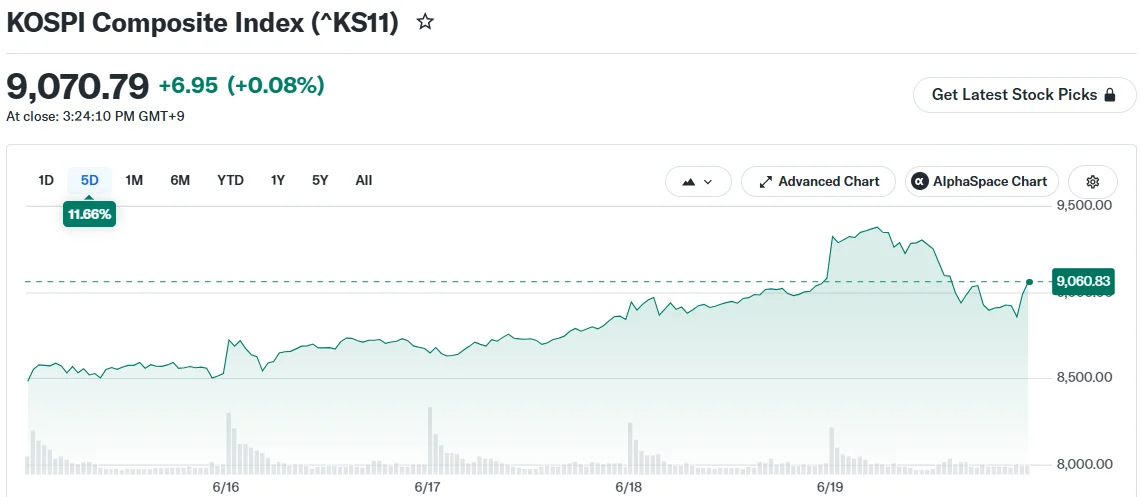
- Asian equity markets retreated on Friday, with South Korea’s KOSPI index pulling back from all-time highs
- US Vice President JD Vance scrapped plans to attend negotiations with Iranian officials in Switzerland
- Curve Finance founder suggests the next altcoin rally may not materialize for another three years
Bitcoin experienced a retreat beneath the $63,000 threshold on Friday as widespread selling pressure across risk assets erased gains accumulated earlier in the week. The downturn emerged as traders reconsidered their enthusiasm surrounding potential diplomatic progress between the United States and Iran.
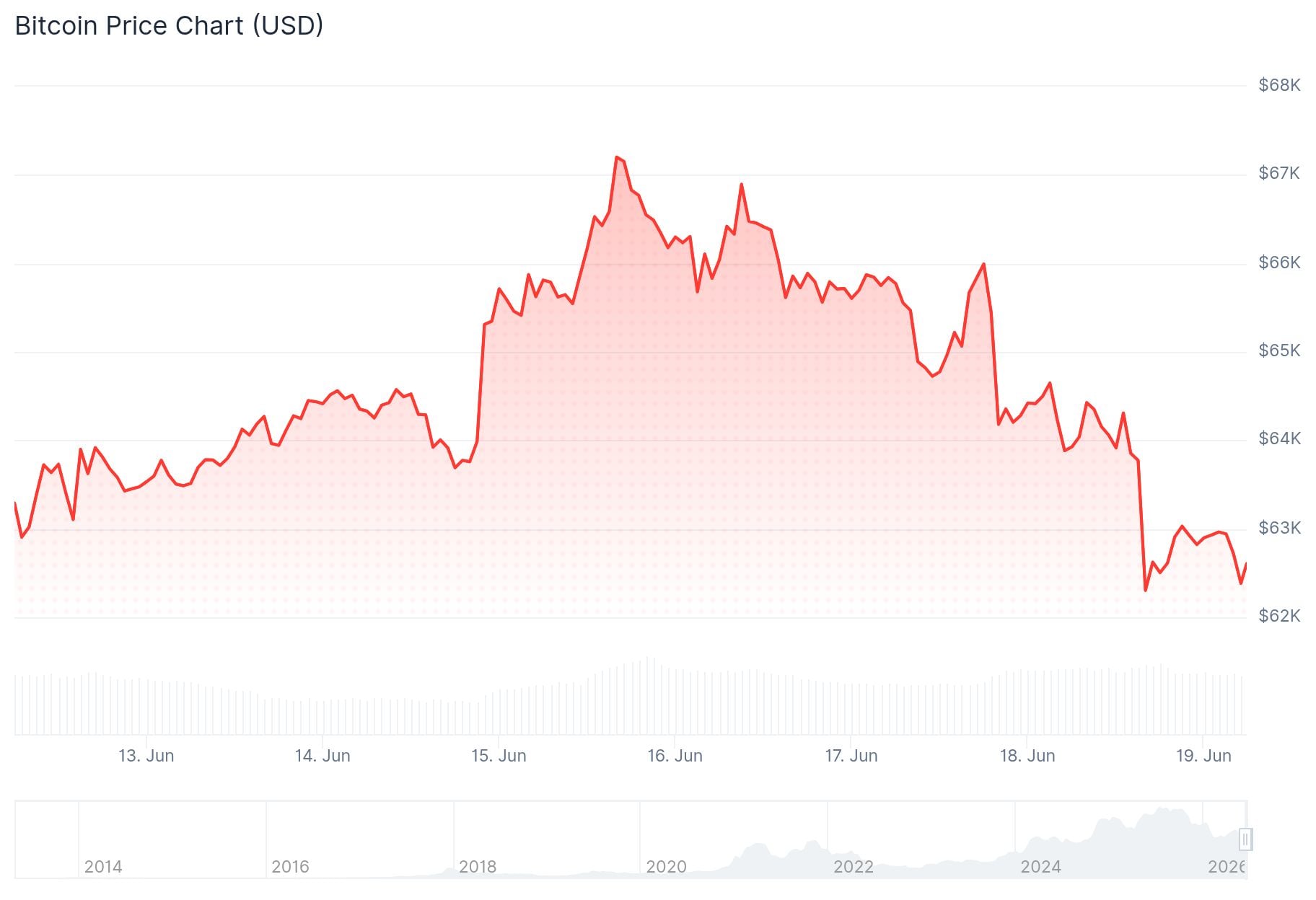
The world’s leading cryptocurrency by market capitalization changed hands near $62,700, representing a 1.9% decline during the 24-hour trading window. Weekly performance showed a 1.3% reduction, according to figures from CoinDesk.
The bearish momentum extended across the broader digital asset ecosystem. Ether retreated 2.3% to $1,695, while XRP tumbled 3.2% to $1.13. Solana decreased 3.2% to $69, and BNB declined 2.7%. Hyperliquid’s HYPE token stood out as an exception, falling 3.7% daily but maintaining a 13.2% weekly gain.
Tron remained the sole major cryptocurrency trading relatively unchanged.
Technical Analysis Points to Critical Support Zone
Market technicians are closely monitoring price action as Bitcoin hovers near the lower boundary of its two-week consolidation pattern.

A breakdown from current levels could trigger a move toward the $59,000 to $60,000 support zone, according to traders tracking chart patterns. Further deterioration could see prices test the $45,000 level, which some analysts identify as a significant downside objective.
The cryptocurrency weakness mirrored broader market trends as an index tracking Asian equities declined 0.6% following a five-session winning streak. Brent crude oil plummeted approximately 9% for the week, settling around $79 per barrel, as the prospective US-Iran agreement promised to restore normal shipping operations through the Strait of Hormuz.
Korean Markets Reverse from Records as Diplomatic Talks Face Obstacles
South Korea’s KOSPI composite reached an intraday peak of 9,385.59 points before surrendering gains and finishing 0.6% lower. Semiconductor manufacturers spearheaded the decline, with Samsung Electronics shedding nearly 2%.
Japan’s Nikkei 225 similarly retreated from record territory but salvaged a 0.2% advance by the closing bell. Australia’s ASX 200 tumbled 1.2%, pressured by BHP shares after the mining giant disclosed budget overruns at its Canadian potash development.
Sentiment deteriorated following Vice President Vance’s decision to cancel his scheduled meeting with Iranian representatives in Switzerland. Iranian state media outlets indicated that Tehran seeks additional concrete evidence of agreement implementation before proceeding with further discussions.
The Federal Reserve compounded market anxieties this week by adopting a more restrictive policy stance than investors had anticipated, intensifying apprehensions about prolonged elevated interest rates and creating headwinds for technology equities.
In Japan, consumer price data for May remained subdued, staying beneath the Bank of Japan’s 2% inflation target despite the central bank’s recent rate increase.
Industry Executive Warns of Extended Altcoin Winter
Michael Egorov, the architect behind Curve Finance, shared with CoinDesk that Bitcoin is demonstrating atypical behavior during the current market cycle. He attributed this shift to the introduction of spot exchange-traded funds shortly before the 2024 halving event, which channeled institutional capital into the market and disrupted traditional cyclical patterns.
Egorov observed that speculative capital previously allocated to alternative cryptocurrencies has instead migrated toward “useless memecoins.” He cautioned project developers against anticipating a broad-based altcoin rally for a minimum of three additional years.
His recommendation to builders: prioritize tokenomics models anchored to genuine project revenues rather than market speculation.
Dogecoin exchange-traded fund products have attracted minimal investor capital, while Bitcoin continues commanding the lion’s share of investment flows relative to the wider cryptocurrency market.
Get 3 Free Stock Ebooks
Discover top-performing stocks in AI, Crypto, and Technology with expert analysis.
- Top 10 AI Stocks - Leading AI companies
- Top 10 Crypto Stocks - Blockchain leaders
- Top 10 Tech Stocks - Tech giants



