


Key Takeaways
- Stacy Rasgon from Bernstein assigns ‘outperform’ ratings to both Broadcom and Nvidia, with firm ownership stakes in each
- Broadcom shares jumped 4.7% following the release of Rasgon’s optimistic analysis on artificial intelligence semiconductor companies
- According to Rasgon, both companies could reach approximately 15x forward earnings multiples, indicating substantial growth potential
- AMD receives a more reserved assessment from Bernstein, pending stronger evidence of organic customer adoption
- Surging artificial intelligence requirements are creating supply constraints in memory markets and elevating component pricing
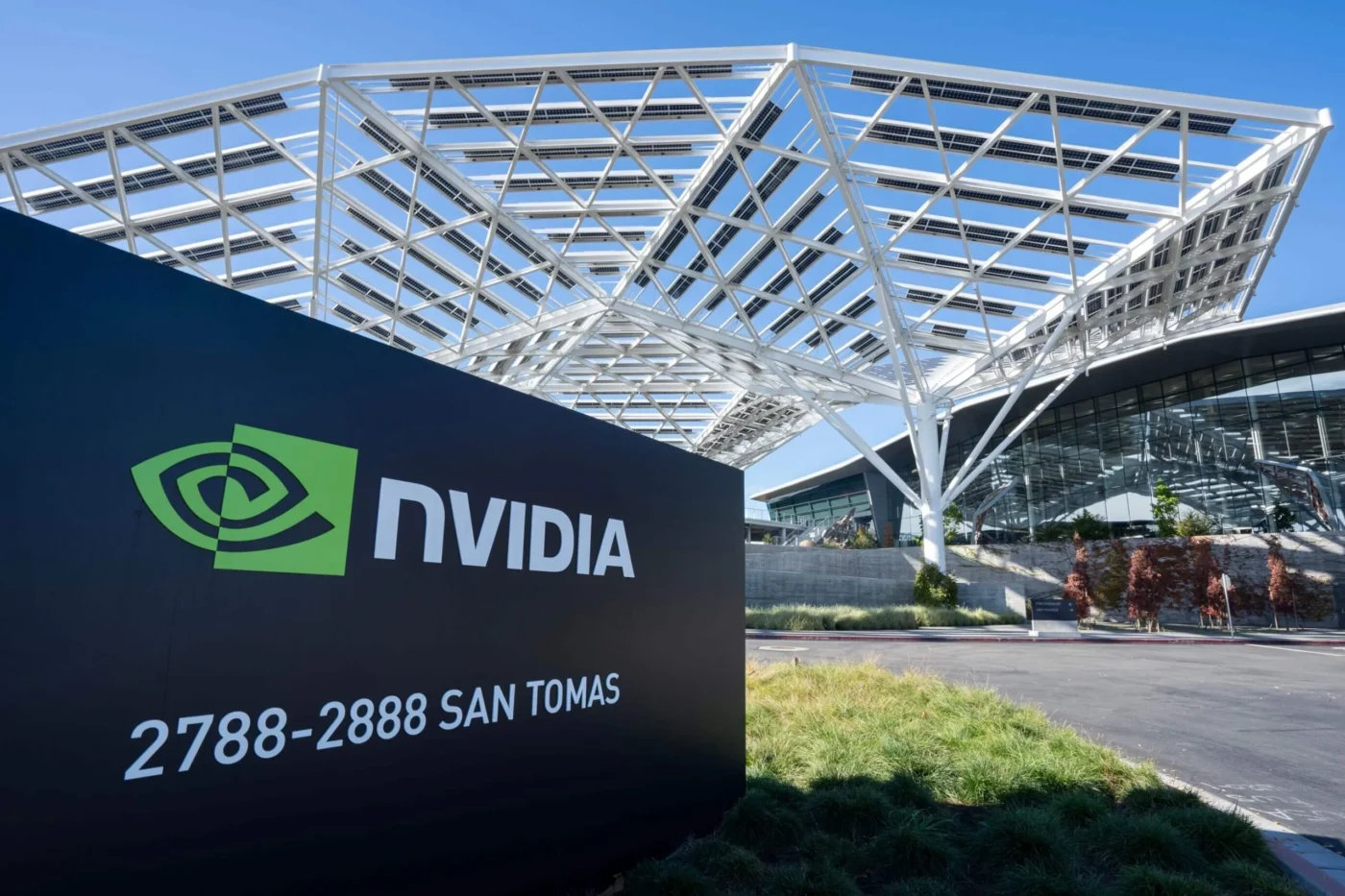
On Monday, Bernstein analyst Stacy Rasgon released an optimistic research report on artificial intelligence chip manufacturers, triggering a 4.7% rally in Broadcom shares during morning trading. Rasgon assigned ‘outperform’ ratings to both Broadcom and Nvidia, while disclosing that Bernstein maintains equity positions in these two firms.
According to Rasgon, artificial intelligence infrastructure demand “demonstrates no indication of deceleration at present.” He characterized Broadcom’s current market valuation as “remarkably compelling” relative to its expansion momentum.
Broadcom’s most recent quarterly results showed revenue climbing 16%, while earnings soared 173%. The stock has declined approximately 22% from its December 2024 peak of $413 per share.
Trading around $324 per share currently, Broadcom commands a valuation of approximately 60 times historical earnings. Rasgon forecasts earnings per share reaching $20 or higher by 2027, which would translate to a multiple below 16 times those projected figures.

Such a scenario would reflect approximately 400% earnings expansion over a two-year period — equivalent to roughly 100% annual growth. Rasgon suggested that prevailing Wall Street estimates for both Broadcom and Nvidia may prove overly conservative.
Nvidia and Broadcom Get the Nod While AMD Faces Skepticism
Bernstein establishes a distinct separation between its preferred investments and those receiving more cautious treatment. Nvidia and Broadcom earn enthusiastic endorsements, whereas Advanced Micro Devices receives a more tepid response.
Rasgon observed that AMD has recovered somewhat from recent price declines. However, Bernstein seeks more definitive confirmation that AMD’s chip sales reflect authentic end-user demand rather than customers settling for alternatives during supply shortages from rival manufacturers.
Until more compelling and sustainable growth indicators emerge, Bernstein maintains a neutral posture on AMD. The firm stops short of recommending divestment but declines to advocate for new positions.
Memory Markets Feel the Strain from AI Infrastructure Buildout
The intensifying demand for artificial intelligence capabilities is generating ripple effects throughout adjacent technology segments. Accelerating data center expansion is constricting available memory supply and driving component costs upward.
Industries including personal computing and mobile devices are experiencing resource competition as hyperscale data centers consume increasing capacity. Escalating input costs are beginning to compress profit margins across various technology subsectors.
Rasgon recognized these market dynamics but emphasized they don’t alter his fundamental thesis on Nvidia or Broadcom. Both corporations maintain advantageous positioning in his assessment, with underlying demand patterns remaining robust.
Bernstein disclosed ownership positions in both Nvidia and Broadcom as of the research note published Monday, March 24.
Get 3 Free Stock Ebooks
Discover top-performing stocks in AI, Crypto, and Technology with expert analysis.
- Top 10 AI Stocks - Leading AI companies
- Top 10 Crypto Stocks - Blockchain leaders
- Top 10 Tech Stocks - Tech giants



