



Key Takeaways
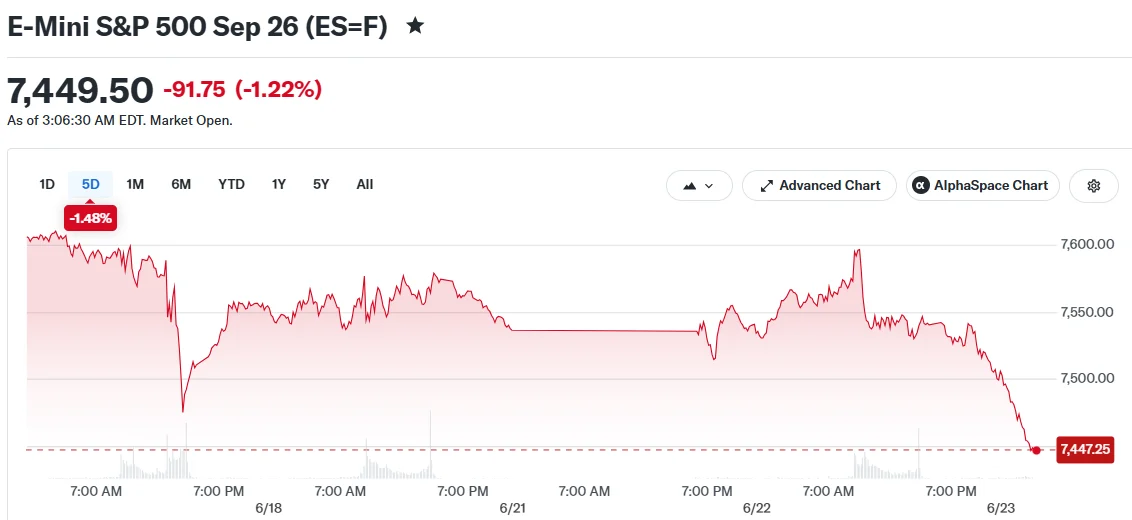
- Barclays has increased its S&P 500 year-end forecast to 7,800, up from a previous 7,650 target
- A new 2027 projection of 8,800 has been established by the firm
- The 2026 earnings-per-share forecast now stands at $337, suggesting approximately 21% annual growth
- Technology giants’ valuation multiple reduced to 26x amid artificial intelligence spending concerns
- Financial sector lowered to Neutral rating; Healthcare elevated to Neutral status
Barclays has revised its S&P 500 year-end price target upward to 7,800 from its prior forecast of 7,650. Additionally, the financial institution has established a 2027 projection of 8,800.
The revision stems from an enhanced earnings perspective. The bank has increased its 2026 EPS projection to $337 from a previous $321 estimate. This figure implies approximately 21% expansion versus 2025’s anticipated $279.
Venu Krishna, who heads U.S. equity strategy at the bank, noted that corporate earnings prospects have brightened. Contributing factors include a robust Q1 reporting season, expanding nominal revenue figures, and healthy manufacturing sector performance.
However, the strategists identified several potential headwinds. Middle Eastern diplomatic negotiations, uncertainties surrounding artificial intelligence capital expenditures, persistently elevated interest rates, and consumer spending durability all represent variables that could influence market trajectory.
“Market volatility continues,” Krishna stated in the research note. While acknowledging the complex environment, the firm maintains that the risk-reward profile remains favorable.
Artificial Intelligence Investment and Valuation Adjustments
Barclays has reduced its valuation framework for Big Tech. The segment now carries a 26x multiple on 2026 earnings estimates, down from the previous 27.5x figure.

This adjustment accounts for ambiguity surrounding AI infrastructure development — particularly regarding the magnitude, financing mechanisms, and revenue generation timelines for these substantial investments.
The firm anticipates aggregate hyperscaler capital expenditure will surpass $1.1 trillion through 2028. This projection runs approximately 26% higher than current Wall Street consensus estimates.
Barclays has also highlighted an emerging disconnect between these corporations’ cash generation capabilities and their planned capital deployment. This dynamic represents a risk factor that market participants may need to increasingly account for.
The composite valuation multiple across the entire S&P 500 index currently registers at 23x 2026 earnings estimates.
Sector Rating Adjustments
Barclays implemented multiple sector-level changes accompanying its target increase.
The Financial sector received a downgrade to Neutral. The institution acknowledged its previous optimistic stance on the sector had not materialized as expected. Private lending market concerns, regulatory pressures, and artificial intelligence-driven disruption in alternative financial services were highlighted as reasons.
Healthcare received an upgrade to Neutral status. Barclays believes the majority of negative earnings revisions for this sector have already been incorporated into valuations.
The firm maintained Positive ratings on technology, media and telecommunications, industrials, and utility sectors.
Consumer-related stocks retained a Negative outlook. The bank anticipates inflation pressures and decelerating income growth will constrain household spending during the latter half of 2026.
Regarding monetary policy, Barclays observed that resilient employment data diminishes recession probability but simultaneously delays the anticipated timeline for Federal Reserve interest rate reductions.
The bank has also introduced a preliminary 2027 EPS forecast of $389, which falls below the broader Street consensus of $398.
Barclays emphasized that earnings expansion and clearer visibility on AI capital investment will need to provide greater market support as Federal Reserve accommodation diminishes.
Get 3 Free Stock Ebooks
Discover top-performing stocks in AI, Crypto, and Technology with expert analysis.
- Top 10 AI Stocks - Leading AI companies
- Top 10 Crypto Stocks - Blockchain leaders
- Top 10 Tech Stocks - Tech giants



