


Key Points
- Bank of England confirms Farage made no headway in changing digital currency policy.
- Governor Bailey confirms the institution identified and rejected lobbying attempts.
- Reform UK leader faces increased examination over cryptocurrency-linked donations.
- Connections to Tether-affiliated donor spark new concerns about CBDC lobbying.
- Central bank maintains digital currency development proceeds independently of politics.
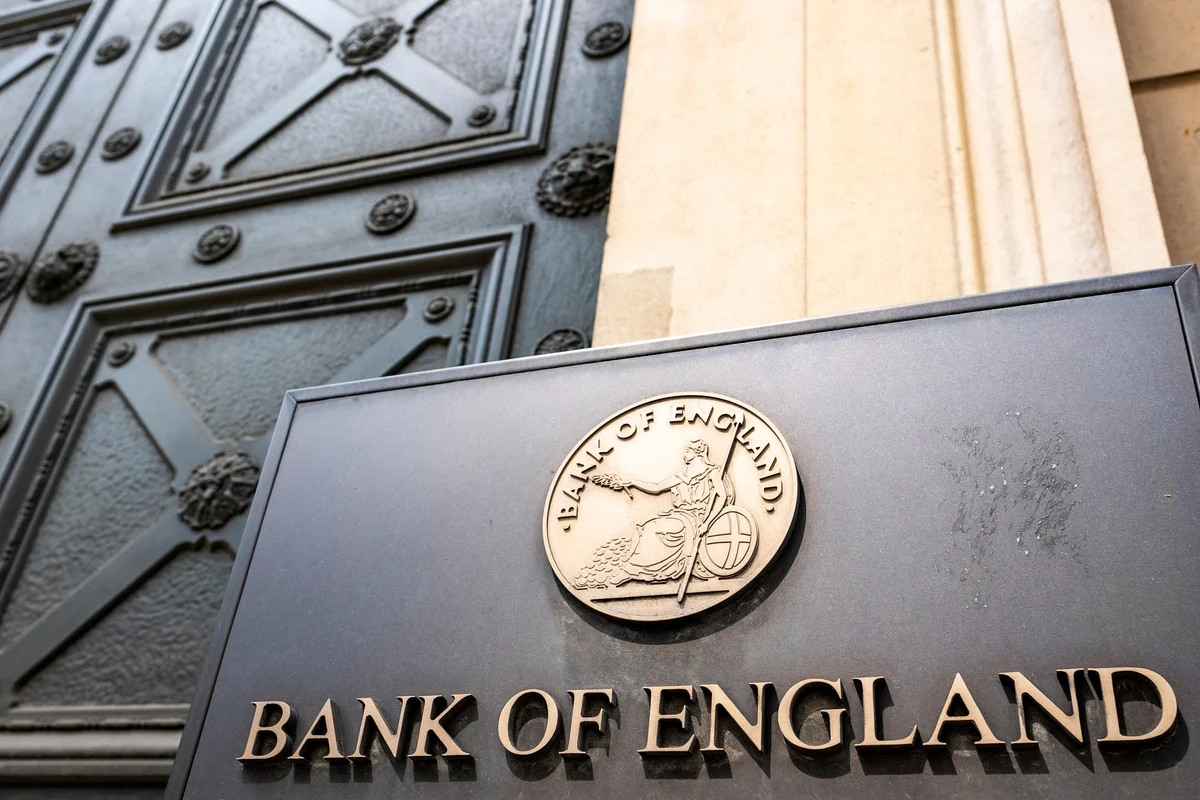
The Bank of England has confirmed that Nigel Farage’s attempts to alter its digital pound strategy were unsuccessful following targeted pressure regarding cryptocurrency regulations. Governor Andrew Bailey informed Labour parliamentarian Joe Powell that the institution successfully identified lobbying efforts and dismissed them. This disclosure intensifies examination of Farage’s connections to cryptocurrency-affiliated contributors and Reform UK’s financial backing.
Central Bank Confirms Meeting Produced No Policy Shifts
Bailey’s statement came in response to inquiries regarding a closed-door session with Farage at the bank’s Threadneedle Street headquarters last September. The discussion addressed multiple topics, including cryptocurrency oversight and the planned digital pound initiative. The BoE confirmed that Farage’s intervention resulted in zero policy modifications.
Farage had pressed Bailey to abandon the central bank digital currency initiative. He subsequently disclosed at a cryptocurrency conference that he confronted Bailey directly about the proposal. Bailey stated the BoE maintained its capacity to recognize lobbying activities and withstand external pressure.
The matter acquired greater political significance following examination of Farage’s funding connections. The politician now faces inquiries about an alleged £5 million contribution from cryptocurrency magnate Christopher Harborne. Harborne maintains ties to Tether, a prominent stablecoin provider that actively opposes CBDC initiatives.
CBDC Discussion Intensifies Amid Reform UK Funding Questions
The Bank of England has maintained its research into a potential digital pound, though no implementation has been authorized. Central bank officials emphasize that any determination would demand additional investigation and public engagement. They further note that both Parliament and government backing would be necessary for any ultimate decision.
Farage has consistently challenged central bank digital currencies, characterizing them as dangers to individual liberty. He has also suggested the digital pound might integrate with digital identification systems. The BoE has not incorporated such connections into its official framework.

Tether representatives have campaigned against the BoE’s digital pound development. They cautioned that a government-supported digital currency might diminish demand for privately-issued stablecoins. This stance generated additional scrutiny because Harborne holds partial ownership in Tether while financially supporting Reform UK.
MP Resignation Amplifies Cryptocurrency Funding Concerns
Farage stepped down from his parliamentary position this week while rejecting any misconduct regarding financial backing claims. He advocated for a fresh by-election positioned against established political forces. Nevertheless, mainstream parties announced they would abstain from participation in the vote.
The parliamentary ethics review now subjects Reform UK to heightened oversight. Labour representatives have additionally requested investigations into whether Farage violated lobbying regulations. Bailey’s correspondence reinforces the BoE’s assertion that its policy development remained autonomous.
The Bank of England also recently revised its stablecoin framework following consultation. It eliminated a suggested limit on stablecoin holdings, though Bailey rejected claims that Farage influenced that determination. The central bank insists that cryptocurrency policy remains insulated from political interference.
Get 3 Free Stock Ebooks
Discover top-performing stocks in AI, Crypto, and Technology with expert analysis.
- Top 10 AI Stocks - Leading AI companies
- Top 10 Crypto Stocks - Blockchain leaders
- Top 10 Tech Stocks - Tech giants



