


Key Takeaways
- American Airlines maintains its annual earnings forecast despite significant increases in fuel expenses.
- Business travel has surged 13% compared to last year while vacation bookings stay robust, according to CEO Robert Isom.
- Second-quarter capacity is approximately 80% reserved, with premium cabin strength offsetting cost pressures.
- UBS analysts upgraded their AAL price objective from $16 to $18 while maintaining a Buy recommendation, pointing to Middle East peace prospects.
- The shutdown of Spirit Airlines has already triggered an immediate spike in American’s budget fare reservations.
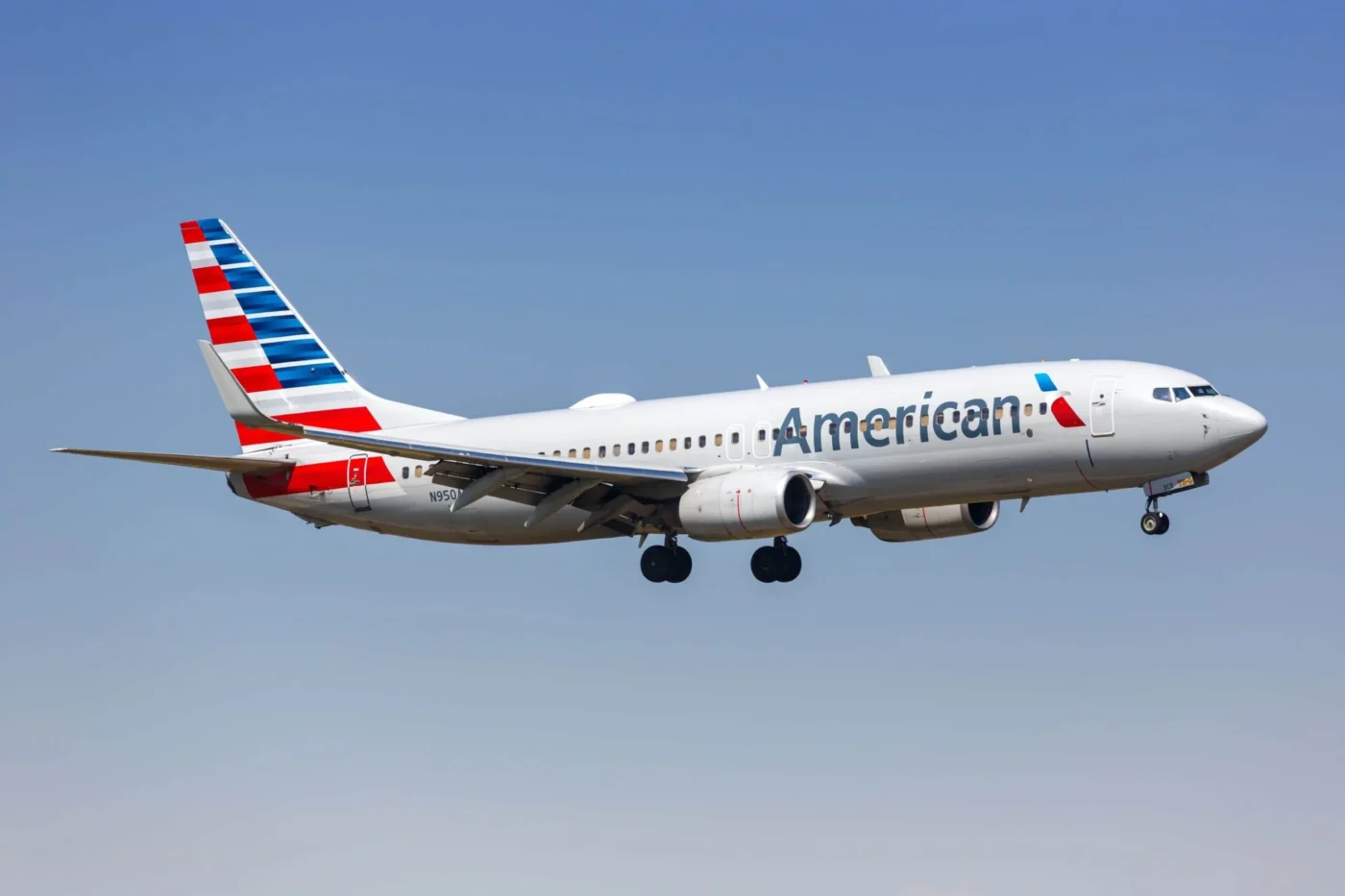
American Airlines continues to stand by its annual earnings projections despite escalating jet fuel expenses. During a Wednesday investor conference hosted by Bernstein, CEO Robert Isom outlined his rationale, emphasizing robust revenue streams, strong premium cabin performance, and recovering business travel as key factors supporting the forecast.
American Airlines Group Inc., AAL
Shares of AAL were trading approximately 3.2% higher during the session, hovering around $14.65 before Isom’s presentation.
Isom characterized current market conditions as bifurcated — affluent passengers continue spending aggressively on travel, while middle- and lower-tier consumers exercise greater restraint. Despite this income-based disparity, the airline continues achieving healthy load factors. The carrier reports that roughly 80% of its second-quarter inventory is already sold, providing leadership with reasonable forward visibility as peak summer travel approaches.
Business travel represents a particularly encouraging trend. Isom disclosed that corporate bookings have climbed 13% versus the prior-year period. This metric carries special significance for a carrier that invested considerable effort rebuilding enterprise customer relationships following an earlier strategic shift that had marginalized the business traveler segment.

Recreational demand remains equally resilient. Combined, these two customer categories give American sufficient revenue confidence to offset the financial pressure from higher petroleum costs.
The Spirit Airlines situation is already generating measurable effects. Following Spirit’s operational shutdown and subsequent liquidation — marking the first major U.S. carrier collapse since Midway in 2001 — American experienced an immediate acceleration in economy class reservations. This represents the market segment where Spirit had maintained its strongest competitive presence.
UBS Analysts Increase Price Objective to $18
Just one day prior to the Bernstein conference, UBS elevated its AAL price target from $16 to $18 while reaffirming its Buy stance. The investment bank identified potential diplomatic progress in Middle Eastern conflicts as a significant positive catalyst for airline equities across the board.
UBS positions United Airlines as its preferred selection within the sector, followed by Delta, Alaska Air, American, and Southwest in descending order of preference. Nevertheless, the firm’s projection of approximately 50% earnings per share expansion across multiple carriers through 2027 represents an aggressive forecast that could draw increased investor interest to airline stocks.
According to InvestingPro data, eight analysts have recently revised their AAL earnings projections upward for the coming period. This type of directional agreement among analysts typically attracts market attention.
However, AAL’s present price-to-earnings ratio of 46 suggests considerable optimism is already reflected in the valuation. The stock has appreciated nearly 15% during the past week, and InvestingPro’s analysis indicates the shares trade above their Fair Value calculation.
The U.S. Global Jets ETF has declined 3.5% year-to-date, trailing the S&P 500’s approximately 10% advance. UBS views this performance differential as a potential entry point.
Spirit’s Departure Transforms Budget Segment Dynamics
Bank of America analysts observed that Spirit’s liquidation will generate minimal consequences for the wider aerospace manufacturing sector. Airlines demonstrated no appetite for purchasing Spirit’s fleet, citing challenges related to interior configurations.
For American, the immediate benefit has been tangible: economy class seats are being reserved at an accelerated pace. Whether this momentum persists through the third quarter remains uncertain, but initial indicators are encouraging.
American’s second-quarter booking level of 80% represents the most substantial forward-looking metric Isom provided during Wednesday’s conference appearance.
Get 3 Free Stock Ebooks
Discover top-performing stocks in AI, Crypto, and Technology with expert analysis.
- Top 10 AI Stocks - Leading AI companies
- Top 10 Crypto Stocks - Blockchain leaders
- Top 10 Tech Stocks - Tech giants



