


Key Takeaways
- American Airlines publicly rejected any possibility of merging with United Airlines (UAL)
- Shares of AAL declined more than 1% during after-hours trading after the announcement
- United CEO Scott Kirby allegedly proposed the merger concept to White House officials in February
- The combined entity would form the globe’s largest air carrier
- Transportation Secretary Sean Duffy indicated consolidation may occur but warned of regulatory review
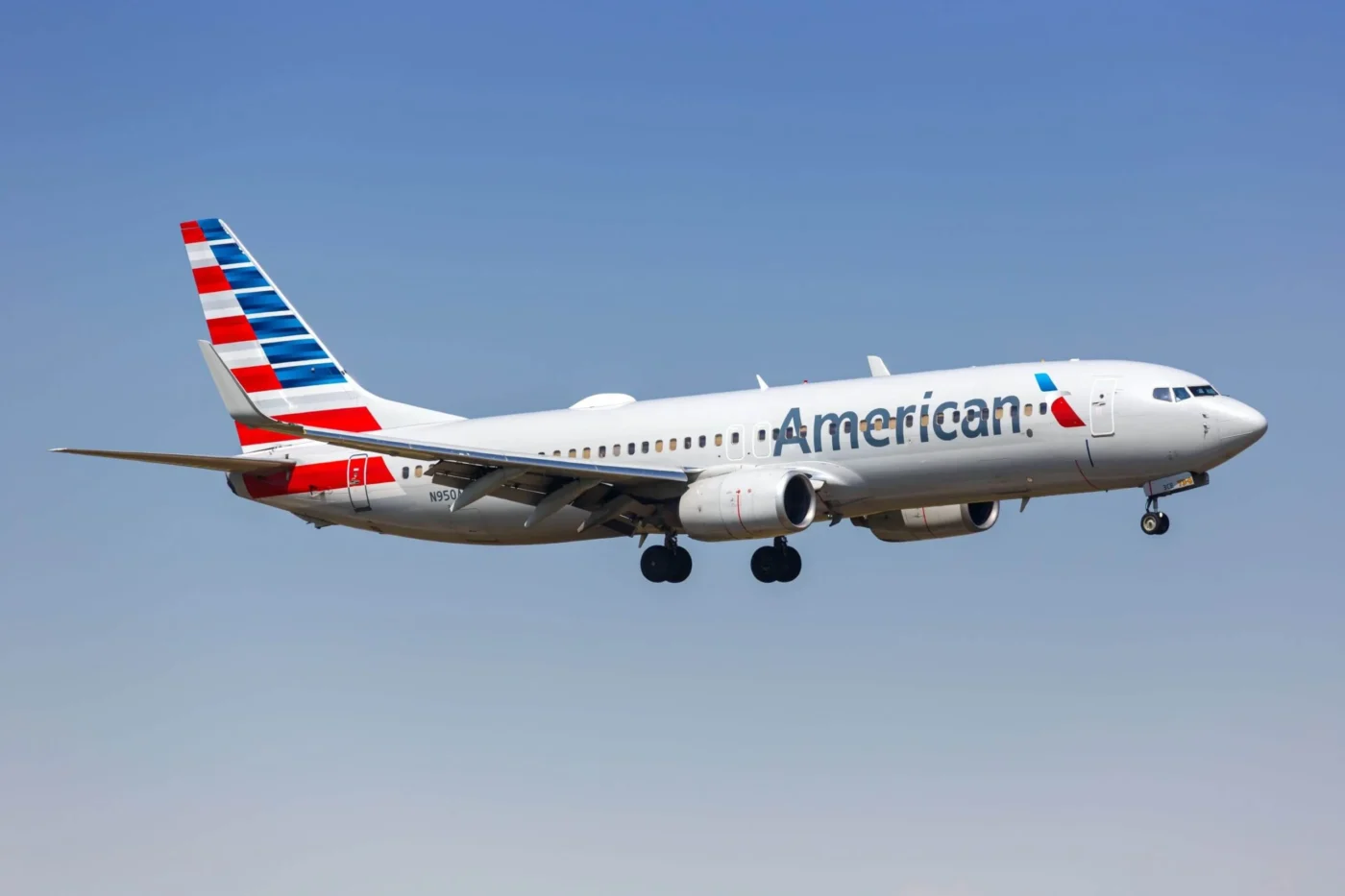
American Airlines issued a forceful rebuttal on Friday regarding speculation about a possible union with United Airlines, causing its shares to slide in extended trading hours.
AAL dropped more than 1% following the carrier’s public statement declaring it has no involvement in, nor appetite for, merger discussions with United.
American Airlines Group Inc., AAL
“A merger with United would harm competition and harm consumers,” American Airlines stated, further noting that such a transaction would be “inconsistent with our understanding of the Administration’s philosophy.”
The statement followed a Bloomberg article disclosing that United’s CEO Scott Kirby had presented the merger proposal to high-ranking government representatives, including President Trump, during February.
Kirby previously held the position of President at American Airlines before transitioning to United, where he currently holds the chief executive role.

The Bloomberg article does not clarify whether any official procedures have been initiated to evaluate such a transaction.
Regulatory Barriers Would Be Significant
A combination of AAL and UAL would establish the world’s largest airline company.
Combined, these two airlines command over one-third of domestic passenger traffic in the United States, alongside Delta (DAL) and Southwest (LUV).
Industry observers have emphasized that a transaction of this magnitude would prompt rigorous antitrust examination and would probably encounter resistance from consumer advocacy organizations and competing airlines.
Transportation Secretary Sean Duffy spoke about airline industry consolidation earlier this month, stating to CNBC that opportunities exist for mergers within the sector.
Duffy mentioned that President Trump generally favors major corporate transactions taking place.
Oversight Authorities Would Maintain Final Authority
Nevertheless, Duffy also cautioned that any substantial airline combination would undergo evaluation regarding its effects on fare prices and market competition.
He indicated that corporations would probably be required to sell off specific operations if two major airlines merged, preventing excessive dominance in the marketplace.
American Airlines’ public response seemed to directly acknowledge that regulatory landscape, characterizing a UAL merger as incompatible with antitrust regulations.
UAL shares had risen 7.12% during the earlier part of the week, potentially driven by merger-related speculation, while AAL had increased 4.16% during that same timeframe before Friday’s after-hours decline.
As of 6:09 PM ET on Friday, AAL had retreated as investors processed the airline’s definitive rejection of the proposed deal.
Get 3 Free Stock Ebooks
Discover top-performing stocks in AI, Crypto, and Technology with expert analysis.
- Top 10 AI Stocks - Leading AI companies
- Top 10 Crypto Stocks - Blockchain leaders
- Top 10 Tech Stocks - Tech giants



