


Key Takeaways
- Amazon unveiled Amazon Supply Chain Services, making its comprehensive logistics infrastructure available to external businesses
- UPS shares declined more than 4% while FedEx experienced losses between 5–6% during Monday’s opening session
- Major corporations including Procter & Gamble, 3M, Lands’ End, and American Eagle Outfitters are inaugural clients
- The platform encompasses freight transportation, warehouse fulfillment, parcel delivery, and artificial intelligence-driven demand prediction
- Additional logistics sector stocks experienced declines, such as GXO Logistics, XPO, and Hub Group
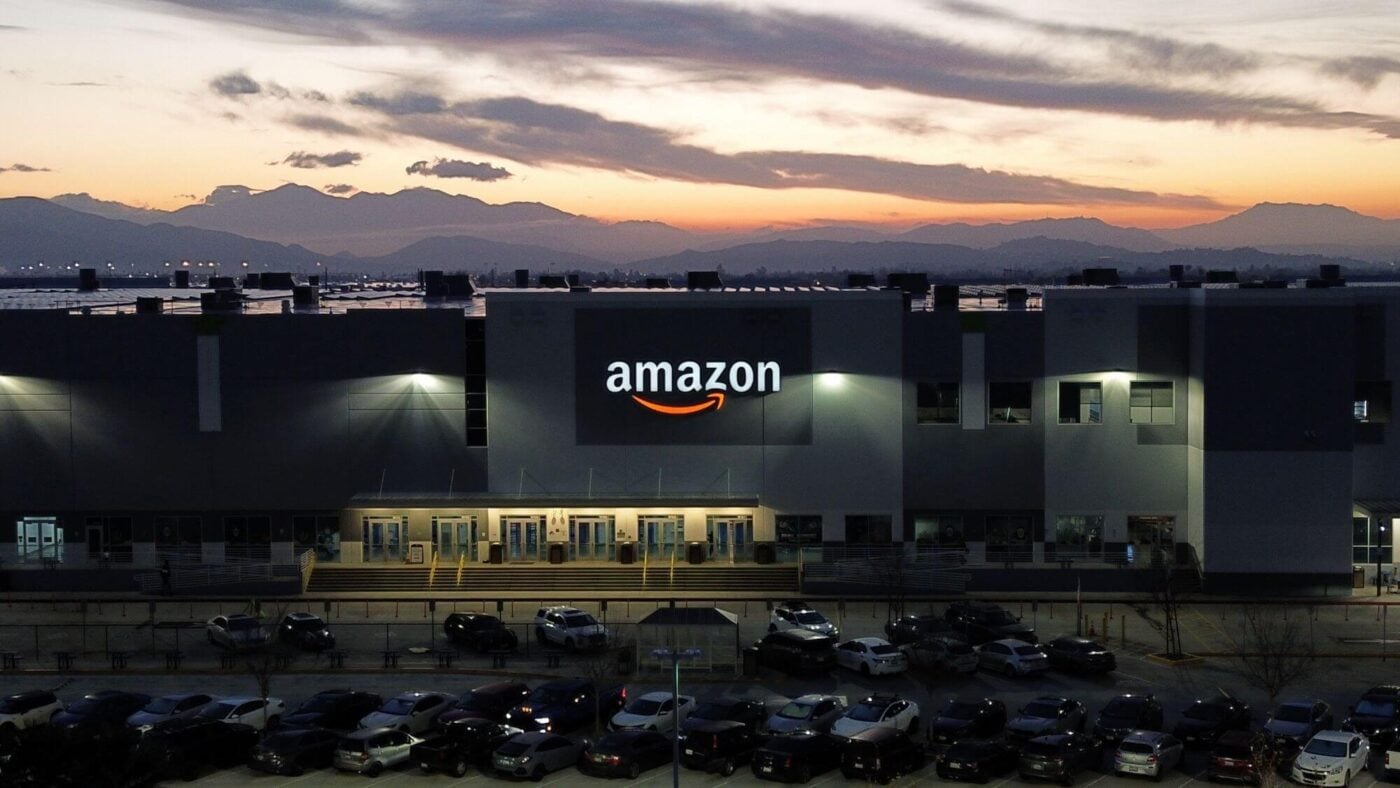
On Monday, Amazon revealed plans to make its expansive logistics infrastructure accessible to companies beyond its own ecosystem. Dubbed Amazon Supply Chain Services, this initiative enables businesses from diverse sectors to leverage Amazon’s transportation, warehousing, and delivery capabilities.
The market response was swift and negative for competing logistics firms. FedEx stock tumbled between 4.4% and 5.7%, while United Parcel Service witnessed declines ranging from 4.1% to 4.2% during premarket and morning sessions. Conversely, Amazon stock climbed approximately 1.2% to 1.75% following the disclosure.
United Parcel Service, Inc., UPS
The ripple effect extended across the logistics sector. GXO Logistics shares plummeted 5.2%, XPO decreased 2.5%, Hub Group slid 1.7%, and RXO experienced a 1.7% decline.
Amazon’s logistics capabilities are substantial. The company operates 80,000 trailers, 24,000 intermodal containers, and 100 aircraft. Until now, this extensive network primarily served Amazon’s retail operations and third-party marketplace sellers.

The comprehensive service combines multiple logistics solutions under one umbrella. Companies gain access to ocean, air, ground, and rail transportation options. Additionally, businesses can utilize Amazon’s warehouse and fulfillment infrastructure for stock management, complemented by parcel delivery services offering two-to-five-day transit times.
Artificial intelligence capabilities are integrated throughout the platform. These advanced systems manage demand prediction and strategic inventory positioning to enhance delivery efficiency and consistency.
Companies manage all operations through a unified digital dashboard. This centralized interface allows businesses to select and customize their required services.
Several prominent corporations have already adopted the platform. Procter & Gamble utilizes Amazon’s transportation network for moving both raw materials and finished products. 3M employs the service to transport goods from production facilities to distribution hubs.
Early Customers Span Multiple Industries
Lands’ End and American Eagle Outfitters represent additional initial adopters. Amazon stated that the service welcomes companies of various sizes operating in healthcare, automotive, manufacturing, and retail sectors.
This strategic expansion positions Amazon as a direct challenger to established logistics leaders. FedEx and UPS have historically controlled significant portions of the American parcel and freight transportation marketplace.
Amazon has systematically developed its delivery infrastructure over recent years. The network has expanded sufficiently that the company now manages a substantial percentage of its own shipments instead of outsourcing to third-party carriers.
Impact on Freight Stocks
Monday’s market activity demonstrates investor concern regarding the announcement’s implications. Numerous logistics companies experienced significant valuation decreases within hours of the news release.
Amazon verified that the service is operational and currently serving the disclosed corporate clients. However, the company has not released pricing information in its public statements.
Among affected logistics stocks, GXO Logistics recorded the most substantial decline, dropping 5.2% throughout the trading day.
Get 3 Free Stock Ebooks
Discover top-performing stocks in AI, Crypto, and Technology with expert analysis.
- Top 10 AI Stocks - Leading AI companies
- Top 10 Crypto Stocks - Blockchain leaders
- Top 10 Tech Stocks - Tech giants



