


Key Highlights
- Ant Group conducts internal trials of ‘Ah Bao,’ an AI-powered assistant within Alipay
- The assistant enables ride booking, meal ordering, and investment management through conversational commands
- WeChat parent Tencent simultaneously develops its own AI agent, setting up a clash between platforms with billion-plus user bases
- Ant Group reported profits plunged 79% in Q4 2025 amid escalating AI infrastructure investments
- The company’s international division seeks approximately $1 billion in new capital for global growth initiatives
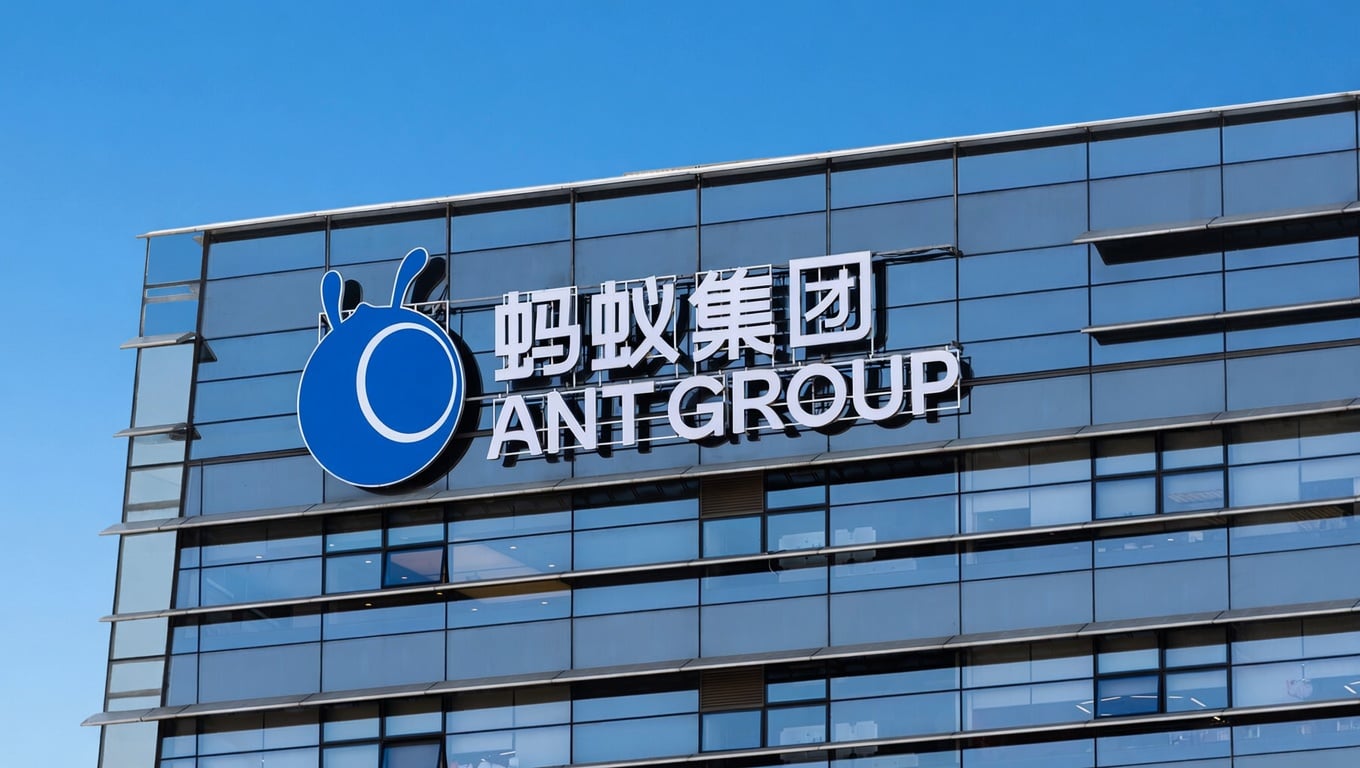
Ant Group has begun testing a significant transformation of Alipay, integrating an artificial intelligence assistant that enables users to execute services and handle financial transactions using straightforward voice or text instructions. This strategic shift creates direct rivalry with Tencent’s WeChat platform, which is developing comparable functionality.
Capabilities of the Upgraded Alipay Platform
The artificial intelligence assistant, named ‘Ah Bao,’ provides Alipay users with the ability to request transportation, purchase beverages, schedule meal deliveries, or invest in mutual funds — all accomplished through natural language interaction. Users may submit requests via typing or voice input. While the assistant can execute financial transactions such as mutual fund purchases, it requires explicit user permission before proceeding.
Alipay remains in closed beta testing at present, with no confirmed timeline for widespread availability. A representative from Ant Group declined to provide additional details.
Competition Among China’s Dominant Platforms
Alipay and WeChat each maintain user bases exceeding one billion individuals. Tencent is simultaneously constructing an AI agent within WeChat, establishing a direct showdown between the platforms regarding implementation quality and user adoption.
ByteDance, operator of the Douyin video platform, is likewise advancing AI integration throughout its product lineup. Alibaba, which maintains a one-third ownership stake in Ant, pursues similar objectives.
These technology companies seek to retain users within their respective platforms. However, this approach demands substantial investment. Tencent, Alibaba, and ByteDance collectively allocated billions toward promotional campaigns for their AI chatbots throughout the Lunar New Year celebration period.

Ant Group’s profitability declined 79% during the final quarter of 2025 as the company expanded expenditures on AI initiatives, encompassing healthcare applications and large language model research.
Strategic AI Investment Following Regulatory Challenges
Ant Group has prioritized artificial intelligence development after Chinese regulators halted its anticipated initial public offering in 2020, which carried a $280 billion valuation. Regulatory authorities additionally imposed restrictions on its lending operations. A stock buyback program in 2023 established the company’s worth at approximately $79 billion.
Subsequently, Ant has expanded its healthcare and AI product portfolios. Its health-focused application, AQ, accumulated 140 million users by September of the previous year. The organization also introduced a humanoid robot last year with capabilities spanning medical consultations and fundamental culinary functions.
Ant International, the company’s overseas division, is presently evaluating a fundraising effort targeting roughly $1 billion. This financing round could establish Ant International’s valuation at $10 billion or higher, based on sources with knowledge of the discussions.
The expanding AI agent movement is elevating operational expenses industry-wide, as these systems demand substantially greater computational resources than conventional chatbots. The effectiveness of Alipay’s and WeChat’s AI implementations may determine the trajectory of China’s application ecosystem moving forward.
Get 3 Free Stock Ebooks
Discover top-performing stocks in AI, Crypto, and Technology with expert analysis.
- Top 10 AI Stocks - Leading AI companies
- Top 10 Crypto Stocks - Blockchain leaders
- Top 10 Tech Stocks - Tech giants



