


TLDR
- Aviation stocks across Europe experienced significant gains Monday, with Air France-KLM climbing 7.4% and EasyJet advancing as much as 5.7%, driven by a sharp decline in crude oil prices.
- Brent crude tumbled approximately 4-5% to trade below the $100 threshold per barrel following indications of advancement in U.S.-Iran negotiations regarding the Strait of Hormuz.
- Marco Rubio, U.S. Secretary of State, indicated that negotiators had achieved a “pretty solid” framework, although critical matters such as Iran’s nuclear ambitions remain to be resolved.
- Stock markets across Europe experienced widespread gains, with the Stoxx 600 reaching its strongest position since early March, while Japan’s Nikkei 225 surpassed 65,000 for the first time in history.
- Bitcoin advanced 0.8% to reach $77,210 and gold increased 0.9% to $4,564 as market participants embraced higher-risk positions.
European aviation stocks delivered impressive performance Monday following a substantial decline in crude oil prices, fueled by growing expectations that diplomatic negotiations between Washington and Tehran could lead to the reopening of the Strait of Hormuz, potentially lowering fuel expenses for carriers.
During early European market hours, Brent crude had tumbled approximately 4.7% to reach $95.52 per barrel, while WTI futures declined 4.9% to $91.86. Both oil benchmarks had been hovering above the $100 threshold in previous trading sessions.
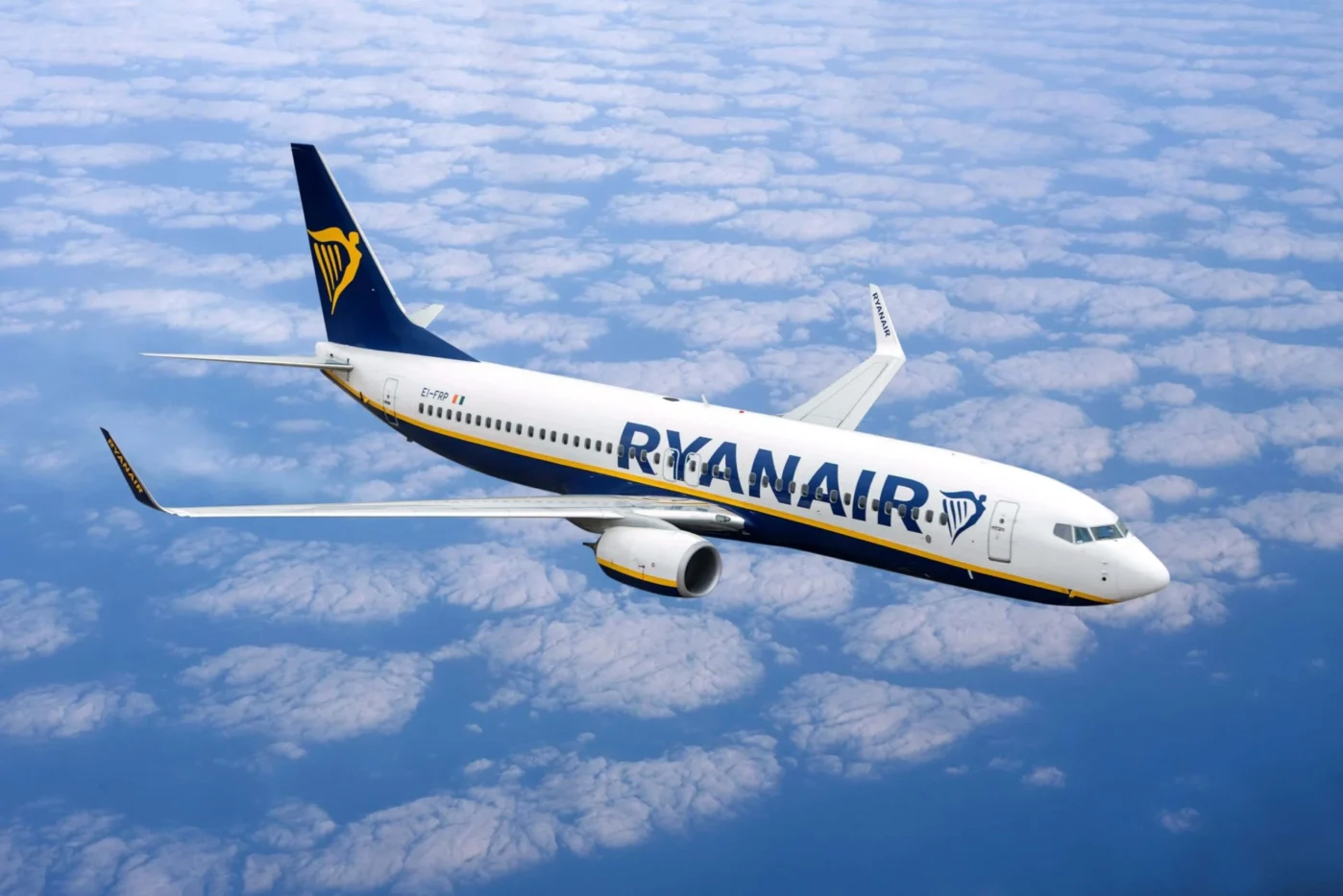
Air France-KLM emerged as the sector leader, surging roughly 7.4% to 8%. Lufthansa advanced nearly 4%, EasyJet climbed as high as 5.7%, Ryanair increased 3.2%, Wizz Air gained 3%, and IAG moved up 1.6%.
What Is Driving the Moves?
The Strait of Hormuz serves as a critical corridor for global oil exports. Interruptions at this strategic chokepoint have elevated jet fuel expenses and compelled carriers to alter flight paths, putting pressure on profit margins.

Marco Rubio, U.S. Secretary of State, stated Monday that negotiators had established a “pretty solid” framework for an agreement. During the weekend, President Donald Trump announced that the United States and Iran had “largely negotiated” a memorandum of understanding.
Nevertheless, Iranian state media disputed Trump’s assertions that a final agreement was imminent. Trump subsequently clarified there was no urgency, and that a naval blockade targeting Iran would continue until an accord was finalized. Critical obstacles, including Iran’s nuclear program, remain outstanding.
Market analysts observed that while investor sentiment appears optimistic, prudence persists considering that earlier diplomatic efforts have collapsed.
Broader Market Reaction
The wider European equity market also experienced gains. The pan-European Stoxx 600 advanced 0.6%, touching its highest level since March 2.
Financial institution stocks led advances alongside aviation companies, with BBVA climbing 2.5%, Santander gaining 2%, UniCredit rising 2%, and BNP Paribas advancing 1.7%.
In an unrelated development, German food delivery platform Delivery Hero surged more than 10% following Uber’s disclosure of an $11.60 billion acquisition proposal for the company.
In Asian markets, Japan’s Nikkei 225 jumped 2.9% and crossed above 65,000 for the first time. China’s Shanghai Composite advanced 1%.
Government bond yields retreated across major markets. Germany’s 10-year Bund yield dropped to approximately 2.99%. The U.S. 10-year Treasury yield declined 3 basis points to 4.56%. A reduction in crude oil prices may alleviate inflationary pressures, diminishing the likelihood of central bank rate increases.
Gold futures climbed 0.9% to $4,564 per troy ounce as the U.S. dollar weakened. The dollar index retreated 0.2% to 99.01.
Bitcoin increased 0.8% to $77,210 as market participants rotated into risk-oriented assets.
U.S. and U.K. financial markets remained closed Monday in observance of public holidays.
Get 3 Free Stock Ebooks
Discover top-performing stocks in AI, Crypto, and Technology with expert analysis.
- Top 10 AI Stocks - Leading AI companies
- Top 10 Crypto Stocks - Blockchain leaders
- Top 10 Tech Stocks - Tech giants



