TLDR
- Brent crude touched $111.05 a barrel on Tuesday, its highest level since May.
- The Houthis claimed attacks on Saudi energy, airport and military sites, which Saudi authorities have not confirmed.
- Kpler said at least 18 vessels were reportedly attacked in the Gulf over two weeks.
- ANZ warned that the recovery in Gulf oil flows, which reached about 80% of pre-war levels, is now at risk.
- US West Texas Intermediate reached $104.94, its highest since September.
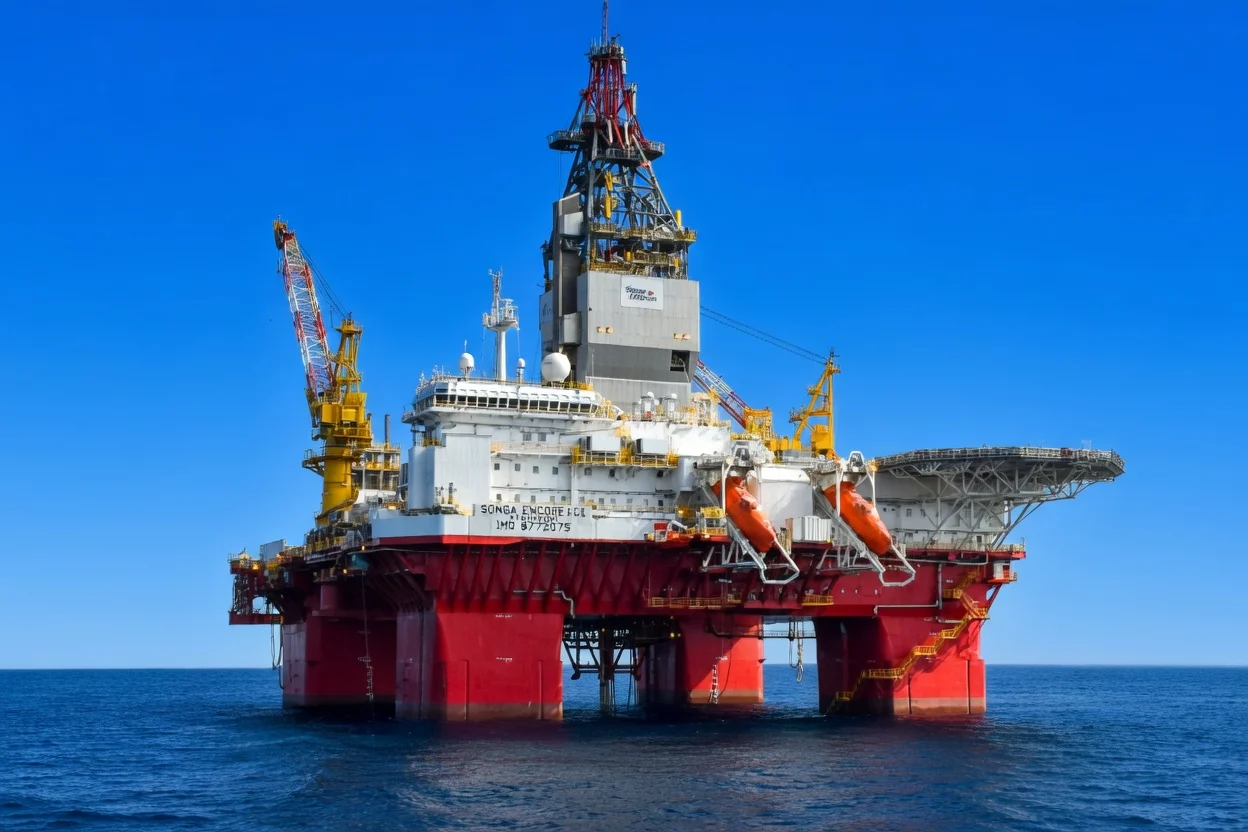
Oil prices moved higher on Tuesday as Brent crude touched its highest level in five months. Traders are factoring in the risk from Houthi attacks on Saudi Arabia and reports of strikes on vessels in the Gulf.
Brent futures reached $111.05 a barrel, the highest since May. By 0810 GMT, the contract traded at $110.80, up 1.1%.
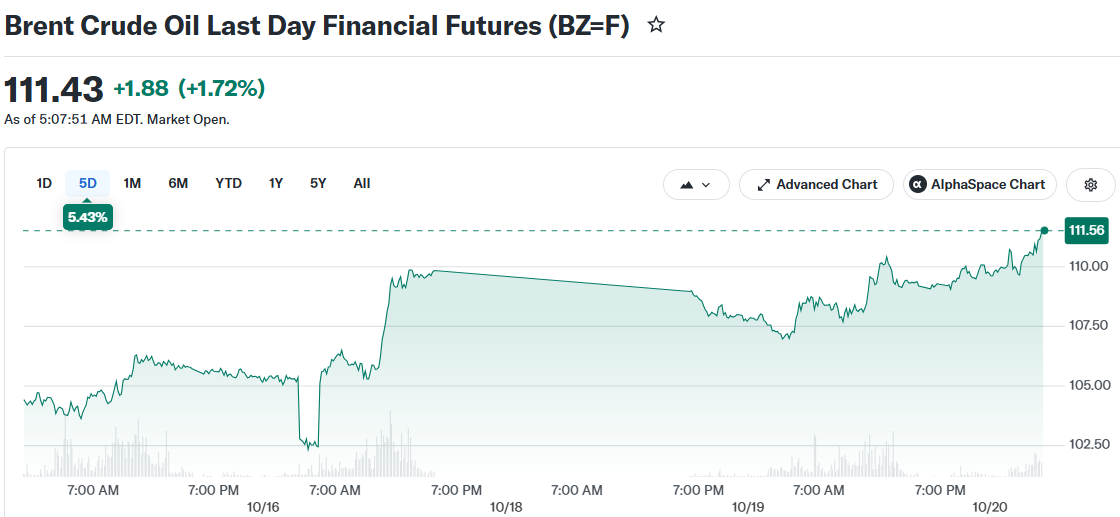
US West Texas Intermediate rose as high as $104.94, its best level since September. It was last at $104.80, a gain of 1.1%.
Houthis Claim Strikes on Saudi Targets
The Iran-aligned Houthis in Yemen said on Monday they launched several attacks on Saudi energy, airport and military sites. The targets included an Aramco site in Yanbu and the Shaybah oilfield.
The group also named King Khalid International Airport in Riyadh and Abha airport. Saudi authorities did not immediately confirm the claims.
Reuters said it could not independently verify the Houthi statements. Saudi Aramco shares fell about 1% on Tuesday.

Saudi Arabia is aligned with Yemen’s internationally recognized government forces. Those forces began an offensive earlier this month to retake Houthi-held territory.
On Monday, a Houthi attack on a training camp for government security forces in Shabwa province killed 58 people. More than 200 others were injured.
The attacks raised concerns about regional stability. They helped keep oil prices above $100 a barrel.
Ship Attacks Threaten Gulf Flows
Kpler said at least 18 vessels were reportedly attacked over the past two weeks. The shiptracker said this keeps the risk premium in prices intact.
Iran’s Revolutionary Guard Corps claimed a tanker hit a naval mine and caught fire in the Strait of Hormuz. The claim could not be independently verified.
The National reported the vessel may have used an unauthorised route. It was unclear if the incident was tied to a US-backed shipping corridor along Oman’s coast.
Hormuz has been largely closed since a joint US-Israeli assault on Iran began in late February. Shipping data showed signs of recovery last month.
US Energy Secretary Chris Wright said Gulf crude flows had returned to about 80% of pre-war levels. Refined-product shipments remained limited.
ANZ analysts warned that the recovery is now at risk. Early data points to another slowdown as attacks on ships grow.
Brent fell earlier on Monday on reports of a possible US-Iran breakthrough in mediated talks. Deutsche Bank said the drop was short-lived after Iran’s First Vice President said the country had “no choice but to exercise sovereignty” over the strait.
ING analysts said the risk premium would likely fade slowly if flows continue without disruption. They said there were no signs of that yet.
In the US, a preliminary Reuters poll showed analysts expected crude and product stockpiles to have fallen last week. Brent was last quoted at $111.46 in real-time data on Tuesday morning.
Get 3 Free Stock Ebooks
Discover top-performing stocks in AI, Crypto, and Technology with expert analysis.
- Top 10 AI Stocks - Leading AI companies
- Top 10 Crypto Stocks - Blockchain leaders
- Top 10 Tech Stocks - Tech giants