


TLDR
- AMZN shares declined 1.99% as the trailing P/E ratio reached its lowest point in multiple years.
- The e-commerce giant currently trades at approximately 20 times earnings versus a five-year average of 60 times.
- Federal regulators accuse the company of extracting over $20 billion in excess advertising fees since 2019.
- Capital expenditure projections for 2026 stand at roughly $220 billion to support artificial intelligence expansion.
- Wall Street analysts project negative free cash flow as infrastructure spending accelerates through 2028.
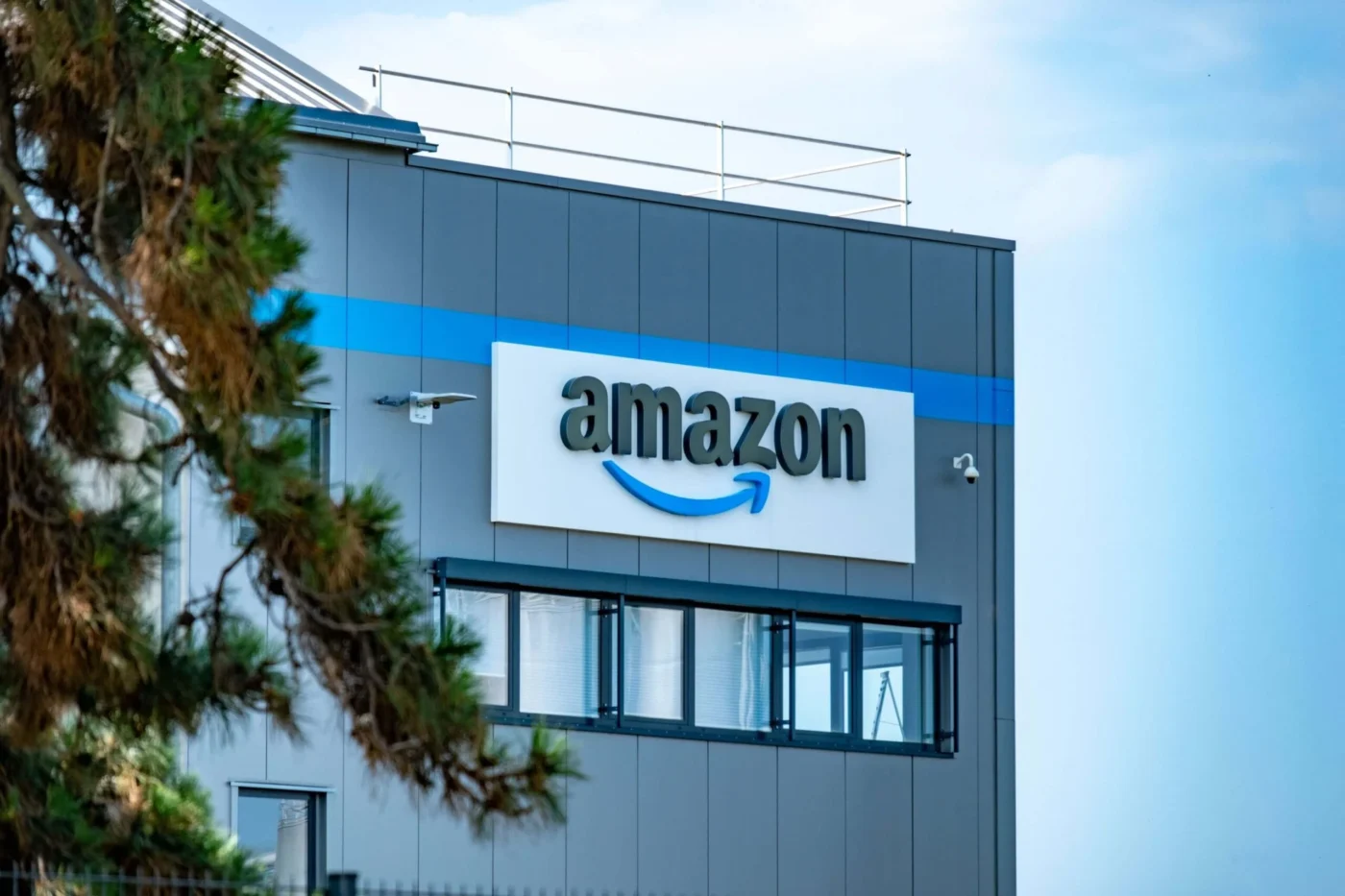
Amazon.com, Inc. experienced a 1.99% decline in its share price, closing at $254.74 after losing $5.18 in value. The technology giant’s trailing price-to-earnings multiple has compressed to levels not seen in several years even as the company pursues aggressive growth in artificial intelligence and cloud infrastructure. A combination of escalating capital requirements and federal litigation over advertising practices has weighed on investor sentiment.
AMZN Earnings Multiple Falls to Lowest Level in Years
Shares of Amazon have underperformed relative to their August highs, falling roughly 8.5% from peak levels reached during the summer rally. This decline stands in contrast to other major technology companies, with Microsoft experiencing a more modest 4.2% retreat from its own 52-week high during the comparable timeframe.
According to data compiled by Yahoo Finance AlphaSpace, the company’s trailing price-to-earnings ratio currently sits near 20 times reported earnings. This valuation metric represents a dramatic compression from historical norms, with the stock averaging a 60x multiple over the past five years and 102.3x over the previous decade. The current level marks one of the most significant valuation contractions in the company’s recent history.
Technical analysis platform TrendSpider corroborated these findings, noting that the earnings multiple has reached multi-year lows. Questions persist about whether recent earnings figures fully incorporate investment gains tied to the company’s stake in artificial intelligence startup Anthropic. Such one-time gains can artificially inflate reported profits and compress the trailing multiple without reflecting improvements in core operational performance.
Federal Regulators Target Amazon’s Advertising Pricing Practices
The e-commerce giant confronts significant regulatory headwinds related to its rapidly growing advertising division, which has become a critical revenue stream. On August 31, the Federal Trade Commission, joined by attorneys general from 22 states, initiated legal action alleging deceptive auction practices within the company’s advertising marketplace. The suit claims undisclosed mechanisms artificially inflated costs for merchants advertising on the platform.

According to the complaint, these alleged practices generated excess charges exceeding $20 billion since 2019, affecting approximately 1.2 million advertisers. Regulators contend that Amazon implemented pricing systems that drove advertising costs beyond levels that would result from transparent competitive bidding. The FTC argues these mechanisms fundamentally distorted the marketplace to the company’s financial benefit.
Company representatives have rejected these characterizations, asserting that their advertising platform provides substantial value to participating merchants. Should regulators prevail, the outcome could force changes to lucrative pricing models that contribute meaningfully to profitability. This legal uncertainty compounds existing challenges as the company navigates simultaneous investments in retail operations, cloud services, and infrastructure buildout.
Massive AI Infrastructure Investment Could Drive Negative Cash Flow
Amazon has committed extraordinary financial resources toward artificial intelligence infrastructure development as competition intensifies among hyperscale cloud providers. During its second-quarter earnings presentation, management disclosed plans to allocate approximately $220 billion toward capital expenditures in 2026. These funds will finance data center construction, computing hardware, and supporting infrastructure necessary for expanded technology operations.
Evercore ISI analyst Mark Mahaney anticipates capital spending will continue climbing beyond current projections. His financial models estimate expenditures reaching roughly $320 billion in 2027, followed by an additional increase to $370 billion in 2028. These forecasts underscore the immense financial commitment required to maintain competitive positioning in cloud computing and artificial intelligence services.
Mahaney’s analysis also projects negative free cash flow of approximately $50 billion in each of the next two fiscal years. These estimates suggest capital requirements may outpace cash generation even as revenue growth persists across the company’s core business segments. The convergence of compressed valuation multiples and escalating capital demands presents a complex financial narrative that distinguishes AMZN from its previous growth trajectory.
Get 3 Free Stock Ebooks
Discover top-performing stocks in AI, Crypto, and Technology with expert analysis.
- Top 10 AI Stocks - Leading AI companies
- Top 10 Crypto Stocks - Blockchain leaders
- Top 10 Tech Stocks - Tech giants



