


TLDR
- Crypto exchange OKX and Intercontinental Exchange, parent of the NYSE, have created joint venture OKXICE to build a tokenized equity trading platform.
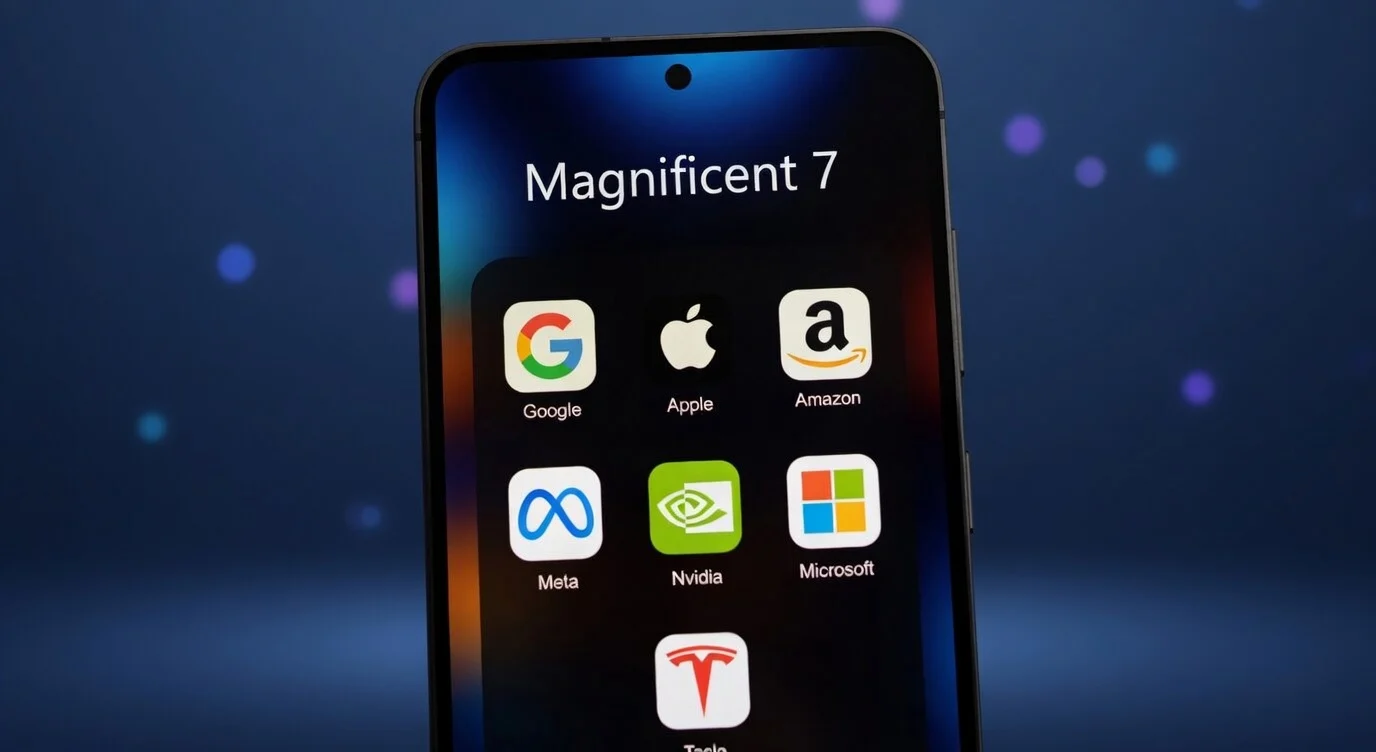
- More than 60 U.S. stocks, such as Nvidia, Tesla, Apple, and Microsoft, would be available as blockchain-based tokens.
- The venue would operate continuously—24 hours daily, including weekends and holidays—using stablecoin settlement instead of traditional dollars.
- Every digital token would represent one actual share held by a registered broker dealer.
- TD Securities analysts believe institutional adoption may face hurdles initially given existing market access and regulatory questions.
Major U.S. equities like Nvidia, Tesla, Apple, and Microsoft may soon become available for trading at any hour through a blockchain-powered venue. The initiative comes from OKXICE, a newly formed partnership between cryptocurrency platform OKX and Intercontinental Exchange, which owns the New York Stock Exchange.
This week, OKXICE submitted documents to the Securities and Exchange Commission. The submission outlined the operational structure of this proposed trading platform and identified which equities would be made available.
Which Companies Make the List
The filing names over 60 corporations. Beyond prominent technology firms, the roster features Amazon, Alphabet, JPMorgan Chase, Walmart, Netflix, and Boeing.
Several cryptocurrency-related businesses also appear. The selection encompasses Coinbase, Circle, Robinhood, Strategy, and Securitize.
Inclusion on the filing does not guarantee availability. Each company can exercise a 30-day right to decline participation.
Cerebras has already exercised its objection. Analysts at TD Securities emphasized that no ticker is confirmed until this review period concludes.

Mechanics of Token-Based Stock Trading
Rather than opening traditional brokerage accounts, participants would acquire digital tokens representing equity shares. According to the filing, each token corresponds to exactly one share maintained by a registered broker dealer.
Those holding tokens would retain identical privileges to conventional stockholders. Dividends and voting rights would be preserved.
Transactions on this platform would settle in stablecoins rather than fiat currency. OKXICE intends to accept three stablecoins: USDC, USDT, and USDG.
The venue will bypass traditional order books that pair buyers with sellers. Instead, tokens and stablecoins reside together in blockchain-based liquidity pools that users trade against directly.
When investors purchase tokens, they withdraw them from the pool while depositing stablecoins, causing prices to rise. Sales reverse this mechanism and reduce prices.
Such pools operate as automated market makers. Pricing derives from mathematical algorithms or active oversight by specialized trading firms.
According to TD Securities, actively managed pools may prove more significant for equity trading than purely algorithmic ones. Professional market makers employing this approach can respond to live market information when adjusting prices and inventory levels.
Operations will run on XLayer, a blockchain developed by OKX. Pool technology will incorporate infrastructure from decentralized exchange Uniswap.
A fundamental departure from traditional markets is continuous operation. Activity would persist through evenings, weekends, and market holidays when Nasdaq remains closed.
During periods when conventional exchanges are offline, pricing would reflect activity within the platform’s liquidity pools rather than simply mirroring the most recent Nasdaq close.
Users must complete identity verification. Anti-money laundering protocols will screen all participants before trading privileges are granted.
TD Securities suggested the platform may not immediately attract substantial institutional capital. The firm cited established access to listed equities and regulatory ambiguity as factors that could limit early adoption.
The SEC exemption enabling this trading model extends for five years rather than representing permanent authorization. Major financial institutions may hesitate to invest in infrastructure for a framework that could face future modifications.
Harvey Li, who founded Tokenization Insight, suggested the platform’s true significance lies in demonstrating which tokenization approach proves most effective for bringing stocks onchain. He characterized OKXICE as potentially one of the earliest significant tests of this market architecture.
Andrew Cuomo, serving as OKXICE’s cochair, described the development as progress toward continuous global financial markets. Star Xu, founder and chief executive of OKX, stated that tokenization could enhance accessibility and availability for public markets.
Get 3 Free Stock Ebooks
Discover top-performing stocks in AI, Crypto, and Technology with expert analysis.
- Top 10 AI Stocks - Leading AI companies
- Top 10 Crypto Stocks - Blockchain leaders
- Top 10 Tech Stocks - Tech giants



