


Key Takeaways
- Boeing shares declined over 2% Thursday following reports that a significant China aircraft order remains improbable.
- Chinese orders currently represent merely 2% of Boeing’s order backlog, a sharp decline from approximately 20% of deliveries during 2010-2019.
- The aerospace manufacturer is prioritizing completion of its May agreement covering 200 aircraft rather than pursuing an expanded deal.
- The upcoming Trump-Xi meeting is anticipated to emphasize trade truce extensions, artificial intelligence protocols, and Taiwan issues over jet purchases.
- Analysts project Boeing will ship over 800 aircraft by 2028, potentially producing approximately $10 billion in free cash flow.
Boeing shares tumbled over 2% Thursday morning following reports indicating the scheduled summit between President Trump and President Xi Jinping will likely not result in a new Chinese aircraft purchase agreement. The stock traded down 2.3% at $195.07 during Thursday’s morning session.
The aerospace giant has experienced a challenging period. Prior to Thursday’s trading, Boeing was trading approximately 8% lower year-to-date and roughly 7% down over the trailing twelve months.
According to Reuters, two sources familiar with the discussions indicated negotiations remain in flux. Boeing is allegedly concentrating on completing its May arrangement for 200 jets instead of seeking hundreds of additional aircraft.
The May agreement was widely interpreted as an initial move toward revitalizing Boeing’s access to the Chinese market. The aircraft manufacturer has been effectively excluded from new Chinese orders since 2017.

Meanwhile, Airbus has significantly grown its presence in China throughout this period. Industry projections from both manufacturers suggest China will require approximately 9,000 new commercial aircraft through 2045.
Speculation about a larger purchase had intensified earlier this year following discussions among Boeing representatives, Chinese officials, and U.S. authorities regarding a potential agreement encompassing up to 500 jets. Boeing CEO Kelly Ortberg initially characterized the 200-aircraft deal as a first installment, though he has subsequently tempered expectations for any expanded order.
China’s Diminished Role in Boeing’s Portfolio
China presently comprises approximately 2% of Boeing’s outstanding order book for undelivered planes. This represents a dramatic decrease from China’s 20% share of Boeing deliveries recorded between 2010 and 2019.
Chinese airline ordering activity has rebounded following the pandemic, though Airbus has secured the majority of this business. Boeing has faced obstacles from trade disputes and continued repercussions from the 737 MAX grounding.
Some progress on the current agreement remains visible. U.S. Trade Representative Jamieson Greer indicated this week that roughly 140 orders are progressing well, with an additional 10 nearing completion.
One source informed Reuters that portions of the May deal could potentially be announced during the summit if contracts are finalized promptly. The United States and China have additionally agreed to a two-month extension of their trade truce beyond the November 10 deadline, according to Treasury Secretary Scott Bessent.
Broader Context for Boeing Investors
China currently ranks below several other priorities on Boeing’s operational agenda. Manufacturing rates, aircraft certification timelines, and fuel prices carry greater weight for the stock’s immediate trajectory.
Analysts anticipate Boeing will deliver over 800 commercial jets in 2028. This volume would generate approximately $10 billion in free cash flow.
Boeing last achieved 800-plus deliveries in 2018, the year preceding the second fatal 737 MAX accident, and has failed to reach that benchmark since. Shares recently declined after CEO Kelly Ortberg acknowledged at a September industry conference that 737 MAX production acceleration was progressing slower than anticipated.
BofA analyst Ron Epstein characterized that decline as an “overreaction to predictable headwinds.” He noted that manufacturing challenges should be anticipated given the turnaround’s complexity.
Crude oil prices represent another variable affecting the stock. Boeing traded above $230 before Middle East tensions escalated with Iran, then dropped below $190 in late March as oil prices surged.
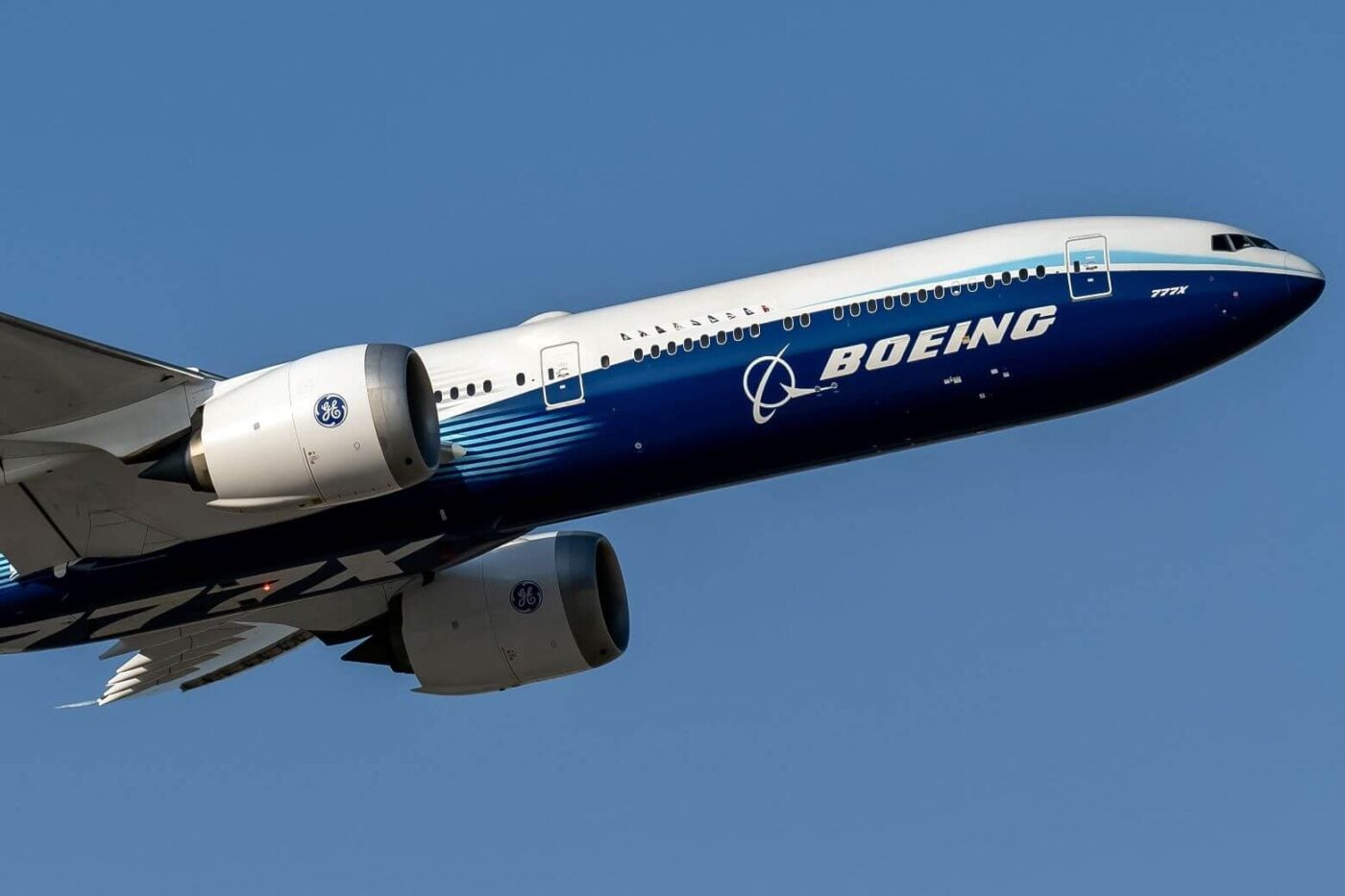
Boeing still requires commercial certification for its 777X and 737 MAX-10 aircraft models. The company’s cumulative backlog of unfulfilled orders stands at nearly 6,800 planes. Boeing did not provide comment in response to inquiries regarding the summit reports.
Get 3 Free Stock Ebooks
Discover top-performing stocks in AI, Crypto, and Technology with expert analysis.
- Top 10 AI Stocks - Leading AI companies
- Top 10 Crypto Stocks - Blockchain leaders
- Top 10 Tech Stocks - Tech giants



