


TLDR
- Michael Selig, Chair of the CFTC, urges American financial markets to gear up for widespread tokenization, blockchain-based finance, and continuous trading operations.
- According to Selig, artificial intelligence and blockchain technologies may transform markets more dramatically in the coming ten years than they have in multiple past decades.
- The commission is investigating expanded stablecoin applications and has already solicited input regarding non-stop derivatives markets.
- A temporary exemption permitting restricted blockchain-based trading of tokenized American equities was granted by the SEC recently.
- Despite congressional gridlock on comprehensive crypto legislation, both agencies are advancing tokenization and digital asset frameworks.
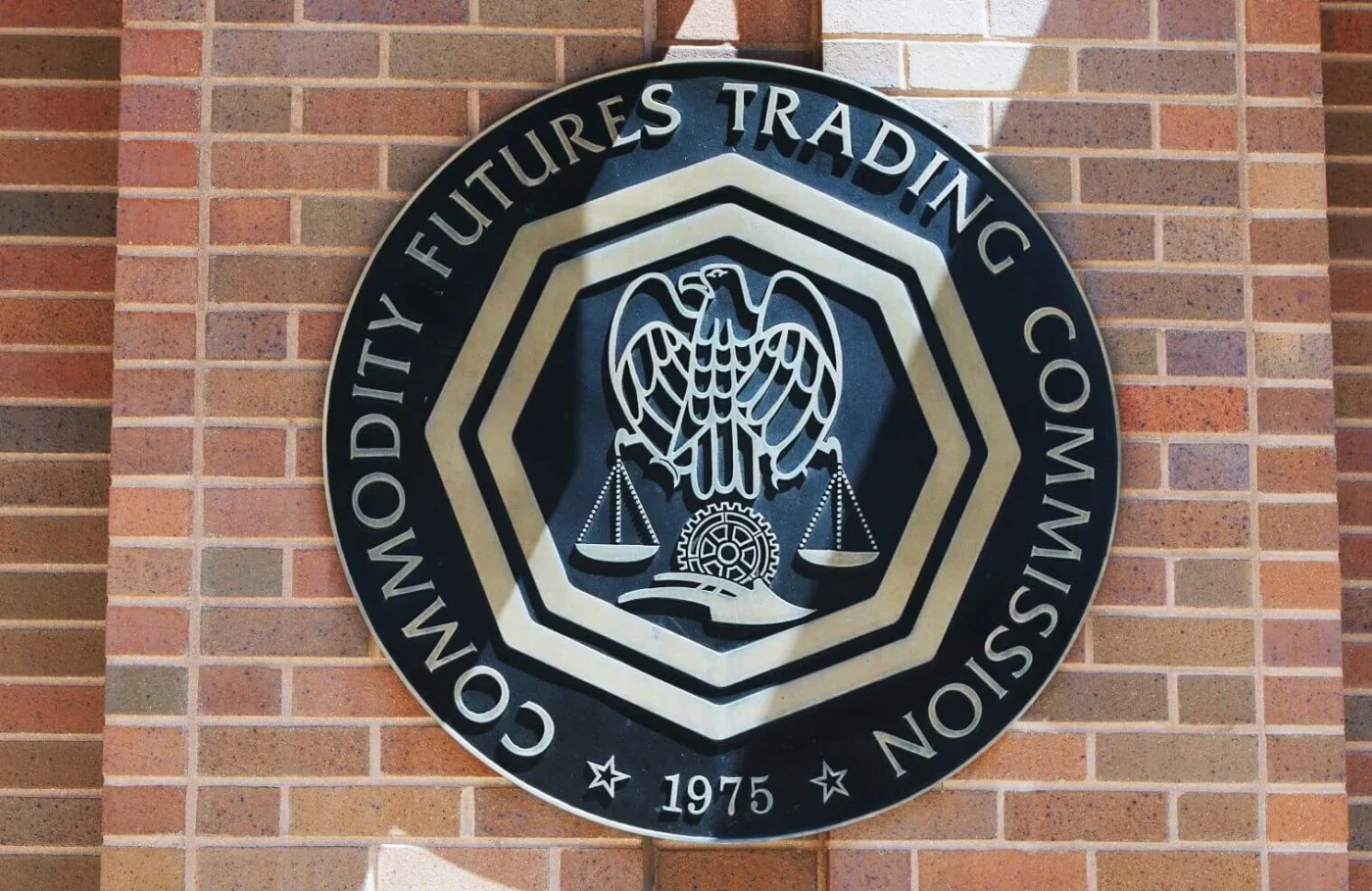
Michael Selig, Chairman of the Commodity Futures Trading Commission, is calling on American financial institutions to brace for a transformation centered on tokenization, blockchain systems, and markets that never close. During his address at New York’s U.S. Treasury Market Conference, Selig emphasized that technological innovation will fundamentally alter market operations throughout the next ten years.
These remarks arrive as the CFTC and the Securities and Exchange Commission advance regulatory frameworks designed to facilitate greater blockchain integration in finance. Digital representations of securities, stablecoins, and perpetual market operations have emerged as critical priorities for American regulatory bodies.
Preparing Infrastructure for Tokenization and Continuous Trading
Selig emphasized that regulatory bodies must modernize current market frameworks to accommodate emerging technologies like distributed ledger systems and machine learning. He contended that digital asset representation, blockchain-native finance, and uninterrupted trading sessions may drive more transformation in the coming decade than markets witnessed across multiple previous generations combined.
Tokenization refers to the process of creating digital representations of conventional assets—including equities, debt instruments, and various financial products—on distributed ledger networks. Advocates argue this technology can accelerate settlement processes, extend trading hours beyond traditional boundaries, and enable sophisticated programmable financial instruments.
The commission has already initiated reviews of how current regulatory frameworks might require modification. Throughout the previous twelve months, officials have collected public commentary on continuous trading for energy derivatives and related adjustments tied to increasingly perpetual market operations.
Stablecoins represent another regulatory priority. The CFTC has broadened the range of acceptable collateral for market participants, and Selig indicated the agency plans to identify additional opportunities to facilitate responsible stablecoin adoption across exchanges, clearing organizations, and trading firms.

Securities Regulator Advances Tokenized Equity Trading
The CFTC’s statements arrive on the heels of significant action from the SEC the previous week. On September 17, securities regulators granted a conditional, time-limited exemption permitting designated Tokenized Securities Venues to facilitate trading of tokenized American-listed equities through permissioned blockchain systems.
This exemption enables authorized platforms to deploy automated market makers and liquidity pools while adhering to prescribed transparency standards, documentation protocols, and technological specifications. Securities regulators described the framework as an observational mechanism to study tokenized equity trading mechanics before establishing permanent regulations.
SEC Chair Paul Atkins characterized the exemption as transitional infrastructure toward comprehensive rulemaking rather than an enduring regulatory architecture. The commission is simultaneously gathering public commentary as tokenized equity platforms commence operations under the provisional guidelines.
This exemption establishes clearer pathways for conventional American equities to migrate onto blockchain-based trading infrastructure. It simultaneously creates expansion opportunities for organizations focused on tokenization technology, stablecoin settlement mechanisms, and blockchain market infrastructure.
Agencies Advance Initiatives Amid Legislative Stalemate
The regulatory momentum continues despite stalled federal cryptocurrency legislation. The CLARITY Act recently failed to progress through the Senate, compelling the SEC and CFTC to proceed using current statutory authority while legislators negotiate comprehensive market structure reforms.
Selig positioned the ongoing changes as elements of a comprehensive strategy to maintain American financial market competitiveness amid technological evolution. His statements indicate the CFTC anticipates tokenized assets and perpetual trading sessions will become mainstream rather than confined to cryptocurrency markets.
The SEC’s recent equity tokenization exemption signals alignment with this trajectory. Currently, both agencies are incrementally adjusting existing regulatory frameworks while collecting operational data from novel market structures.
Future developments will hinge on institutional adoption rates of tokenization technology, whether stablecoins secure expanded roles in settlement processes, and whether continuous trading operations extend beyond digital assets into conventional financial markets.
Get 3 Free Stock Ebooks
Discover top-performing stocks in AI, Crypto, and Technology with expert analysis.
- Top 10 AI Stocks - Leading AI companies
- Top 10 Crypto Stocks - Blockchain leaders
- Top 10 Tech Stocks - Tech giants



