


Key Takeaways
- European central banking authorities seek elimination of mandatory bank deposit percentages for stablecoin reserve holdings
- Proposed alternative focuses on liquidity maturity timelines rather than deposit requirements
- Existing regulations mandate 60% bank deposit reserves for significant stablecoin issuers
- Regulatory gaps allow unauthorized crypto platforms to serve European users, creating protection gaps
- Tether’s leadership previously flagged comparable systemic banking vulnerabilities in 2024
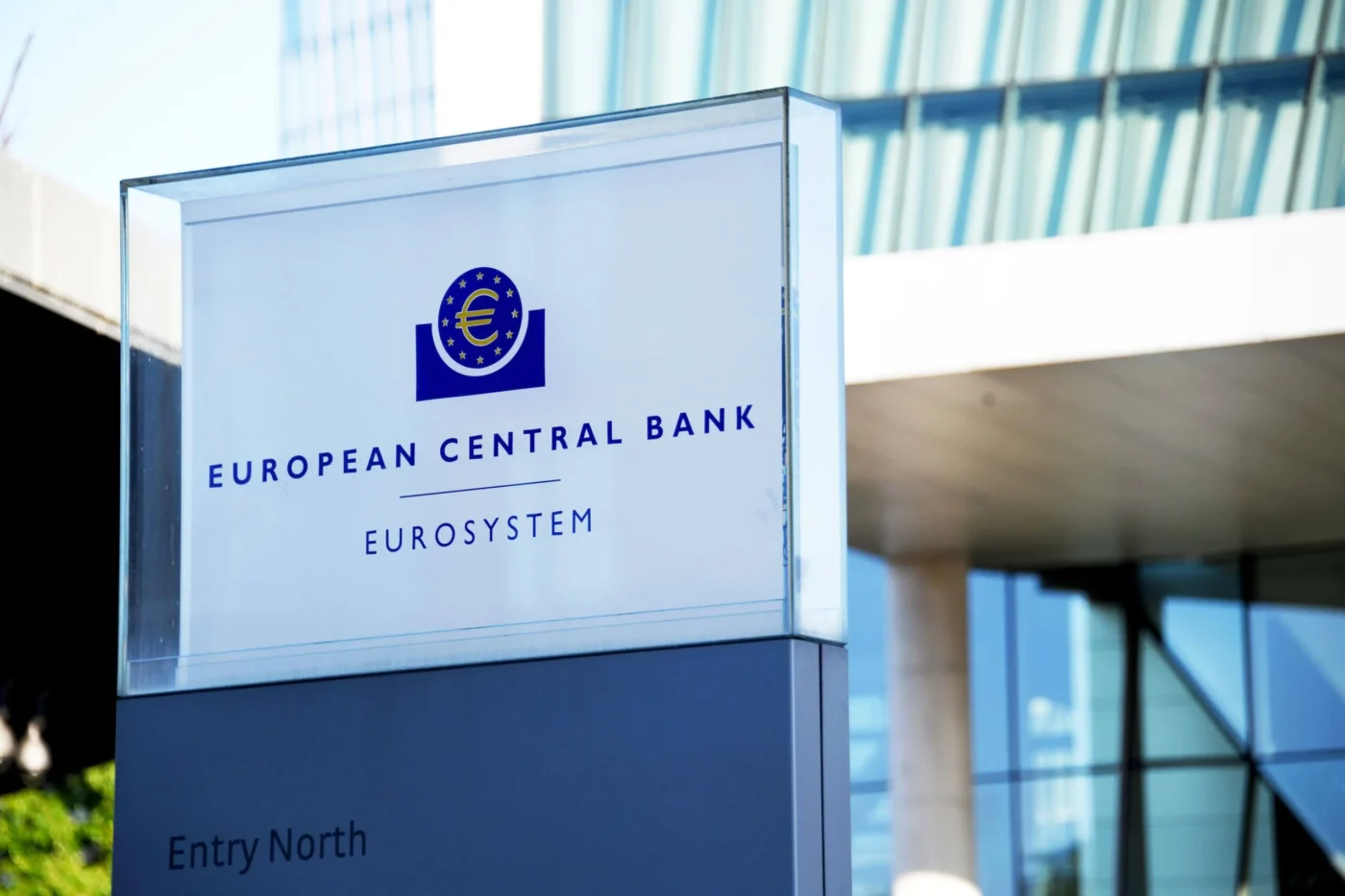
The European Central Bank alongside national central banking institutions throughout the European Union are advocating for significant modifications to stablecoin reserve management protocols, citing potential banking sector vulnerabilities under existing frameworks.
On Tuesday, the European System of Central Banks released its formal feedback regarding the European Commission’s evaluation of the Markets in Crypto-Assets Regulation, commonly referenced as MiCA.
This regulatory framework took effect during the previous year, establishing operational standards for digital asset enterprises throughout European Union jurisdictions.
Understanding Present Regulatory Framework
Under current MiCA provisions, stablecoin issuers must maintain a minimum 30% of reserve assets as traditional bank deposits. This threshold escalates to 60% for systematically important stablecoins with broader market adoption.
European central banking authorities contend this framework establishes problematic dependencies between stablecoin operators and traditional banking institutions. These dependencies, regulators suggest, could generate cascading complications during mass redemption events.
Should an issuer require rapid withdrawal of substantial deposit holdings, the affected financial institution could experience severe liquidity constraints. Such vulnerability intensifies when stablecoin reserves represent significant portions of a bank’s total funding base.

Central banking officials specifically reference the March 2023 Silicon Valley Bank failure. Circle maintained $3.3 billion of USDC backing at the institution, precipitating widespread stablecoin redemptions following the bank’s collapse.
Details of the ECB’s Alternative Framework
The ESCB advocates replacing percentage-based deposit mandates with maturity-focused liquidity standards. This revised framework would require specific reserve portions to reach maturity within one business day, with expanded portions maturing within five business days.
The European Banking Authority previously developed comparable framework guidelines throughout 2024. These provisions specified that systematically important stablecoins should hold 40% of reserves in next-day maturity instruments, escalating to 60% within five-day maturity windows.
Banking authorities additionally identified overnight reverse repurchase facilities and abbreviated maturity sovereign debt instruments as appropriate substitutes for traditional deposit holdings.
Tether’s chief executive Paolo Ardoino articulated comparable apprehensions during late 2024. He outlined circumstances where a stablecoin maintains 10 billion euros backing, with 6 billion held as bank deposits. Should the banking institution loan 90% of these funds, merely 600 million euros remains immediately accessible. This creates potential shortfalls when issuers face sudden redemption demands.
The ESCB’s current position mirrors these earlier cautions substantially.
Central banking institutions also identified distinct enforcement challenges. Non-compliant digital asset platforms continue reaching European Union consumers, generating what regulators characterize as investor protection vulnerabilities.
Regulatory modifications to MiCA remain unconfirmed presently. The ESCB’s statement represents consultation feedback, indicating regulators will assess submitted responses before determining implementation pathways.
Get 3 Free Stock Ebooks
Discover top-performing stocks in AI, Crypto, and Technology with expert analysis.
- Top 10 AI Stocks - Leading AI companies
- Top 10 Crypto Stocks - Blockchain leaders
- Top 10 Tech Stocks - Tech giants



