


Key Takeaways
- President Trump has committed to distributing $5,000 payments to American adults, contingent on Republican victories in November’s midterm elections
- The initiative carries an estimated price tag of approximately $1.2 trillion, compounding an anticipated $1.9 trillion budget shortfall
- The administration points to tariff collections as a funding source, though comprehensive financial details remain unpublished
- Congressional approval would be required according to House Speaker Mike Johnson
- Financial experts caution the program could inflate the deficit to approximately $3 trillion
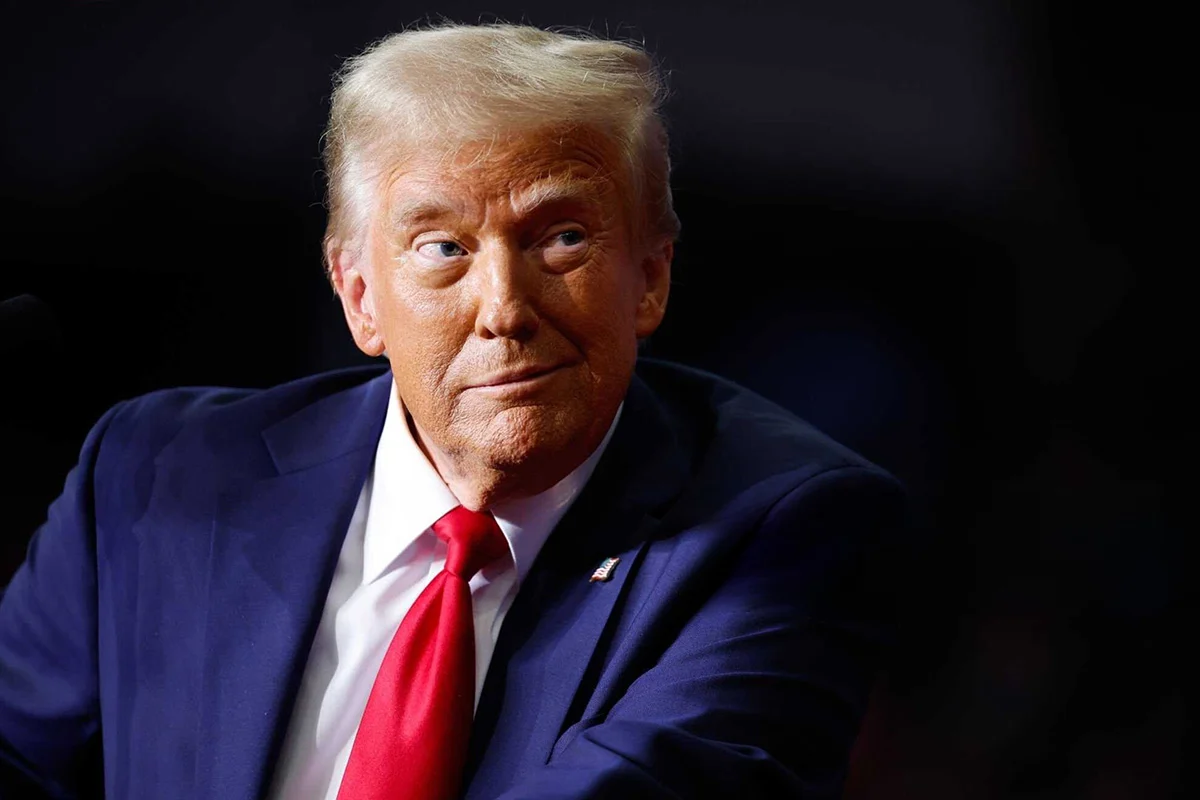
President Donald Trump has reaffirmed his commitment to distribute $5,000 direct payments to every adult American citizen, though the promise comes with a significant political stipulation: Republicans must maintain control of both congressional chambers following November’s midterm contests.
Speaking to the press at Ireland’s Amgen Irish Open in Doonbeg on Sunday, Trump expressed confidence in the nation’s fiscal capacity to fund the initiative. “We can easily handle that because we’re taking in so much money,” the President stated.
The proposal initially surfaced during Trump’s address at the Republican Party’s midterm convention held in Dallas the previous Wednesday, where he explicitly connected the payment distribution to electoral outcomes.
“If the Republicans win the House of Representatives and the United States Senate, I will issue a dividend to every adult citizen in the United States of America for $5,000,” Trump declared during his convention speech.
Distributing $5,000 to approximately 240 million adult Americans would require roughly $1.2 trillion in government expenditure. This comes as federal budget analysts already forecast a deficit approaching $1.9 trillion for fiscal year 2027.
The Financial Reality Behind the Promise
According to Erica York, a senior economist with the Tax Foundation, implementing these payments would escalate the federal deficit to nearly $3 trillion. Her analysis suggests tariff revenue generation would need to continue for approximately ten years to offset the program’s cost.
Following Trump’s announcement, Vice President JD Vance identified tariff revenues as a potential funding mechanism. Vance further indicated that high-income Americans might be exempted from receiving payments, potentially reducing total expenditures.

Government Treasury records indicate customs duty collections reached $34.2 billion in a recent month, with cumulative collections since January totaling approximately $208.5 billion. These figures represent gross collections before accounting for potential refunds related to tariffs subsequently invalidated by Supreme Court rulings.
Commerce Secretary Howard Lutnick emphasized that the dividend distribution would not draw from taxpayer funds, though he stopped short of providing specific details regarding the revenue generation strategy.
Legislative Authorization Required
House Speaker Mike Johnson clarified on Sunday that congressional authorization would be mandatory before any payments could be disbursed. Johnson pledged that “Congress will work through it and find consensus on that.”
Contrasting with Johnson’s position, Trump indicated his belief that congressional approval might not be necessary, revealing a disconnect between the President and House leadership on procedural requirements.
Trump explained his decision to withhold immediate payment distribution, expressing concern that a Democratic electoral victory would compromise the program’s implementation. “If the Democrats get in, our country will be in shambles,” he remarked.
The White House has yet to publish specific eligibility criteria or comprehensive funding mechanisms for the proposed payments. Notably, Trump previously announced a similar $2,000 dividend check proposal in November of the prior year, though those payments were never distributed.
Get 3 Free Stock Ebooks
Discover top-performing stocks in AI, Crypto, and Technology with expert analysis.
- Top 10 AI Stocks - Leading AI companies
- Top 10 Crypto Stocks - Blockchain leaders
- Top 10 Tech Stocks - Tech giants



