


TLDR
- European Central Bank increased its benchmark deposit rate from 2.25% to 2.5% this Thursday
- This marks the ECB’s second consecutive rate adjustment following the outbreak of conflict in Iran during late February
- Inflation across the euro zone reached 3.3% in August, marking a three-year peak fueled by escalating energy costs
- Financial markets anticipate the Federal Reserve will implement a rate increase during next week’s policy meeting
- International crude oil prices surpassed the $100 per barrel threshold this week, the first time since July
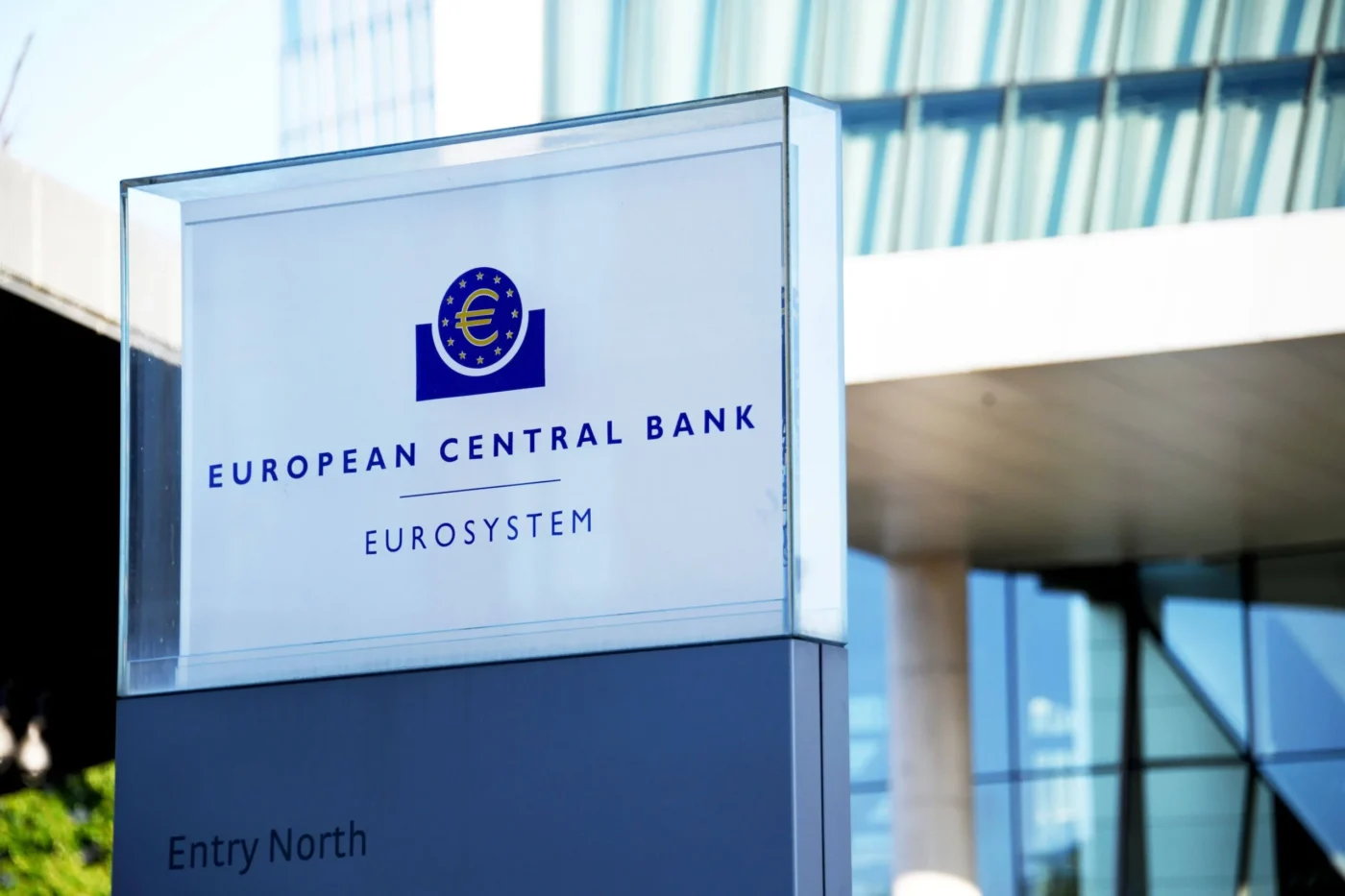
In response to accelerating inflation driven by surging energy costs, the European Central Bank implemented its second interest rate increase on Thursday since hostilities commenced in Iran.
The central bank elevated its benchmark deposit rate from 2.25% to 2.5%. Financial analysts had broadly anticipated this monetary policy adjustment.
Consumer price growth in the euro zone accelerated to 3.3% during August, representing the steepest increase observed in almost three years. ECB officials indicated in their official communication that price pressures “are projected to persist considerably above our target level for a prolonged timeframe.”
International crude oil benchmarks breached the $100 per barrel mark this week, the first occurrence since July. Simultaneously, European natural gas prices have surged to levels not witnessed since 2023.
The ongoing military conflict in the Middle East represents the primary catalyst behind these renewed inflationary pressures. The situation in Iran has maintained considerable uncertainty in energy markets since hostilities erupted in late February.
What This Means for Other Central Banks
The ECB’s decision has intensified expectations that other major central banks will implement similar policy tightening. Market data from CME Group indicates that a majority of traders now anticipate the U.S. Federal Reserve will increase rates during its upcoming meeting next week.

The Bank of England is projected to implement a rate increase in November.
Federal Reserve Chairman Kevin Warsh has provided minimal forward guidance regarding the central bank’s upcoming policy decisions. Since assuming leadership this summer, Warsh has preferred more concise policy communications and reduced reliance on forward guidance.
Given this communication vacuum, certain market participants are interpreting the ECB’s rate adjustment as an indication that the Fed will pursue comparable action.
The ECB possessed greater flexibility to increase rates compared to the Fed or the Bank of England. When the Iran conflict began, ECB rates remained substantially below neutral policy levels, providing additional capacity for tightening without significantly dampaging economic expansion.
Growth Is Holding Up for Now
Economic output across the euro zone grew by 0.6% during the second quarter. The ECB revised upward its economic projections for the current year and 2027, highlighting surprising economic strength.
Commercial bank lending activity has maintained robust levels in recent months, indicating that rate increases have not yet substantially constrained economic activity, according to analysis from Goldman Sachs.
Currently, there are minimal indications of second-round inflationary effects, such as employees negotiating significantly higher compensation. This represents a critical variable that could complicate efforts to moderate inflation.
ECB executive board member Isabel Schnabel cautioned in August that the probability of second-round effects increases the longer the regional conflict persists.
Market pricing suggests another ECB rate increase in December, although numerous investors recognize that the threshold for additional tightening is becoming increasingly elevated.
The euro declined 0.2% versus the U.S. dollar on Thursday. Europe’s benchmark Stoxx 600 equity index decreased 0.3%.
The ECB had previously projected that inflation would normalize to its 2% objective by 2028, but resurgent energy price pressures could extend that timeframe further.
Get 3 Free Stock Ebooks
Discover top-performing stocks in AI, Crypto, and Technology with expert analysis.
- Top 10 AI Stocks - Leading AI companies
- Top 10 Crypto Stocks - Blockchain leaders
- Top 10 Tech Stocks - Tech giants



