


Key Highlights
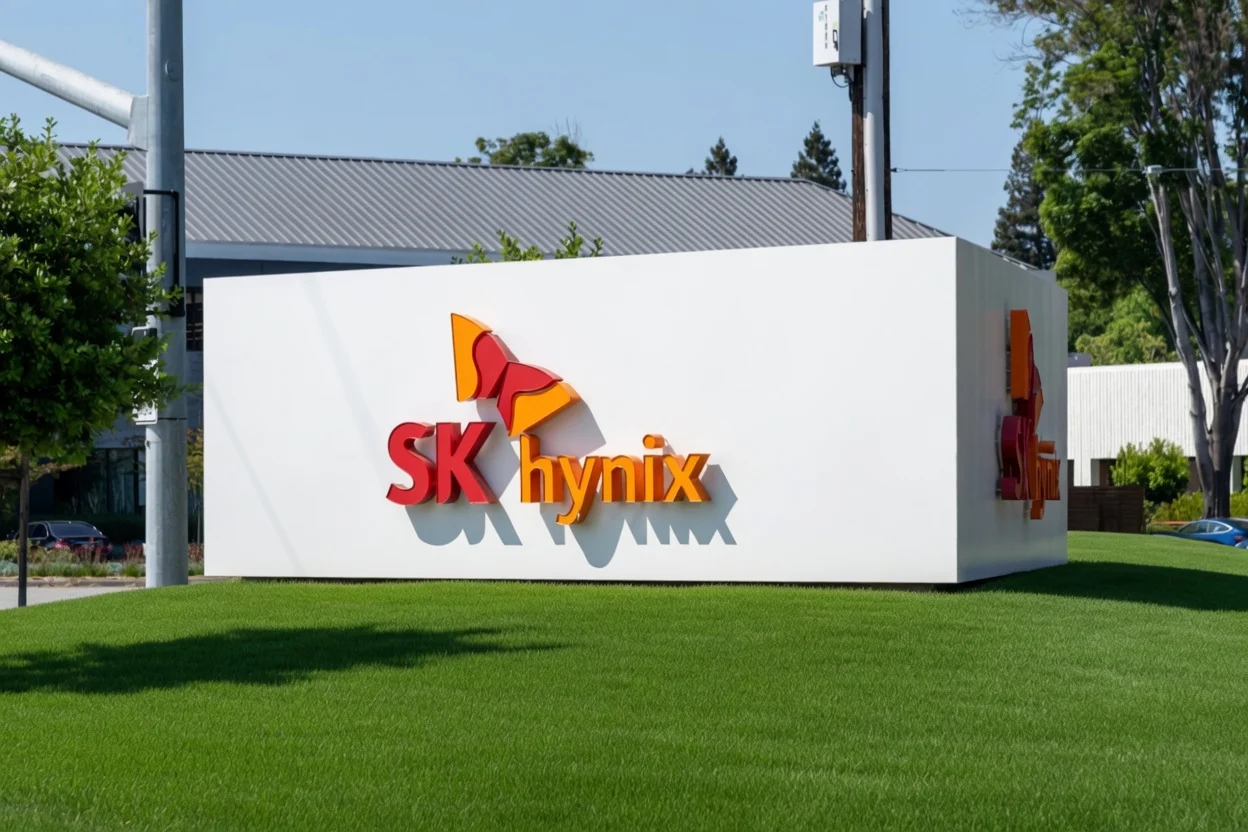
- SK Hynix shares surged over 7% in Seoul on September 7 following OpenAI’s GPT-6 Astra model debut
- Samsung Electronics climbed approximately 4% to 5% on strengthened AI demand expectations
- Memory chip stockpiles at both Samsung and SK Hynix have dropped under 10 days of available supply, per KB Securities
- DB Securities increased SK Hynix’s target price to ₩2.3 million based on accelerating HBM4 shipments
- Wall Street analysts maintain Strong Buy ratings with average targets suggesting over 50% potential gains
Shares of SK Hynix rallied more than 7% during Monday’s Seoul trading session on September 7, building on an 8.1% surge in its US ADR on the preceding Friday. The sharp upward movement came after OpenAI unveiled GPT-6 Astra, representing its most advanced artificial intelligence system yet.
Samsung Electronics shares also experienced substantial gains of approximately 4% to 5% during early Seoul market activity, reflecting widespread enthusiasm across the memory semiconductor industry stemming from revitalized AI infrastructure expectations.
OpenAI’s President Greg Brockman characterized Astra as possibly representing an early manifestation of artificial general intelligence (AGI). The system demonstrates capabilities including web navigation, software development, computer operation, and autonomous execution of sophisticated professional tasks.
This advancement in AI capabilities carries significant implications for hardware manufacturers. As enterprises delegate increasingly complex, multi-stage operations to AI systems, data center infrastructure will require expanded GPU capacity, high-bandwidth memory modules, server DRAM, and storage solutions to accommodate these intensified workloads.

Lower AI Costs Don’t Necessarily Reduce Hardware Requirements
A primary concern weighing on semiconductor stocks throughout recent months has centered on whether declining token costs and improved model efficiency might diminish infrastructure requirements for AI operations. The Astra release challenges this assumption.
Meritz Securities analyst Hwang Soo-wook contended that more affordable AI services could actually prompt users to delegate lengthier and more intricate tasks to automated agents, thereby expanding overall computational demands rather than contracting them. He referenced the recovery in GPU rental pricing following Astra’s announcement as supporting evidence that computing demand remains robust.
Kiwoom Securities analyst Han Ji-young informed Seoul Economic Daily that Astra successfully refocused attention on AI demand dynamics and indicated that downward pressure on semiconductor equities may be approaching its conclusion.
Inventory Levels Reach Critical Lows
The market rally reflects more than investor sentiment alone. KB Securities disclosed on Monday that memory chip inventories at both Samsung and SK Hynix had fallen beneath the 10-day supply threshold.
KB research director Kim Dong-won projected that next year could deliver the most constrained supply environment on record. KB forecasts worldwide hyperscaler AI infrastructure expenditures reaching approximately $1.3 trillion by 2027, representing a 60% increase from the previous year, with memory’s proportion of total investment expanding to 57% from merely 14% in 2025.
Supply constraints may intensify as manufacturers transition production capacity toward HBM4 technology. HBM4 manufacturing demands approximately triple the wafer capacity compared to traditional DRAM, meaning increased HBM4 production directly reduces available capacity for standard memory offerings.
DB Securities analyst Seungyeon Seo elevated his SK Hynix price objective to ₩2.3 million from ₩2 million, highlighting HBM4 shipment acceleration and enhanced pricing leverage. Seo acknowledged that SK Hynix’s third-quarter performance might fall marginally short of market projections due to adverse currency exchange movements, but emphasized that semiconductor sector momentum remains fundamentally sound.
SK Hynix’s Korean-traded shares hold a Strong Buy consensus among analysts, with mean price targets of ₩2,708,750, suggesting potential upside exceeding 50% from present trading levels.
DB Securities anticipates the DRAM market expansion will persist through 2027, underpinned by constrained supply conditions and robust server demand fueled by competitive AI infrastructure investments among leading technology corporations.
Get 3 Free Stock Ebooks
Discover top-performing stocks in AI, Crypto, and Technology with expert analysis.
- Top 10 AI Stocks - Leading AI companies
- Top 10 Crypto Stocks - Blockchain leaders
- Top 10 Tech Stocks - Tech giants



