


Key Takeaways
- AbbVie finalized its buyout of Apogee Therapeutics, paying $135.11 cash per share for a transaction valued at roughly $10.9 billion
- The acquisition brings zumilokibart, an IL-13 targeting antibody that helped approximately 66% of atopic dermatitis patients achieve clear skin in Phase 2 studies
- Apogee’s portfolio features APG273, a dual-action therapy combining IL-13 and TSLP inhibition for asthma management
- The transaction will decrease adjusted EPS by $0.14 for 2026 and approximately $0.46 for 2027, with positive earnings contribution delayed until 2032
- The company maintained its 2026 full-year adjusted diluted EPS forecast range of $13.87 to $14.07
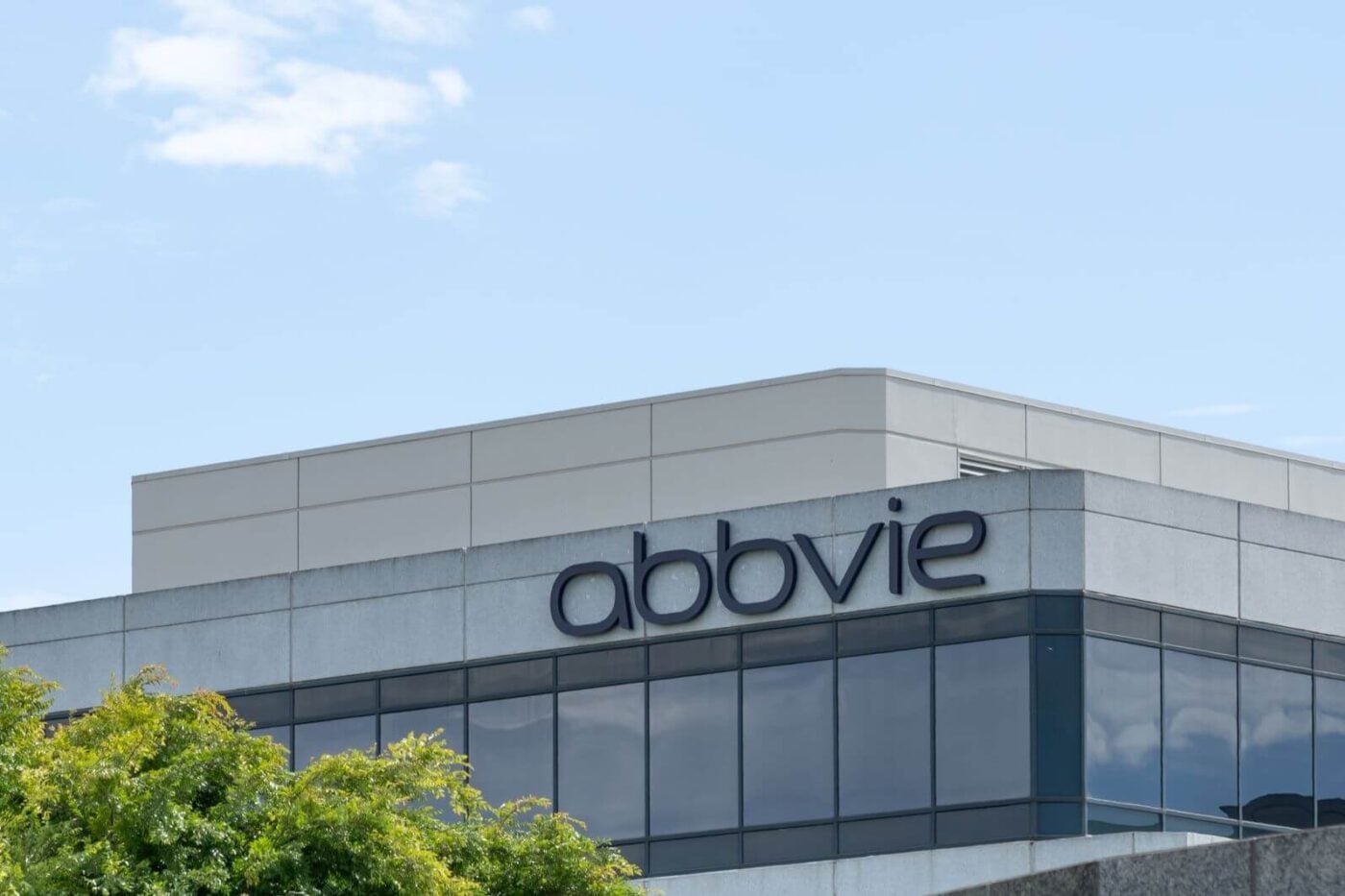
On September 3, 2026, AbbVie (ABBV) finalized its acquisition of Apogee Therapeutics, delivering $135.11 in cash for each share. The all-cash transaction totaled approximately $10.9 billion in equity value. Trading of Apogee shares ceased on the completion date.
This transaction enriches AbbVie’s immunology arsenal with a suite of investigational therapies. The acquired pipeline concentrates on inflammatory and immune-mediated conditions such as atopic dermatitis, asthma, and chronic obstructive pulmonary disease.
Apogee’s flagship candidate is zumilokibart, a monoclonal antibody engineered to inhibit IL-13, a key driver of type 2 inflammatory responses. The compound features an extended half-life, enabling less frequent administration compared to existing therapeutic options.
Phase 2 clinical results demonstrated that roughly two-thirds of participants with atopic dermatitis who received zumilokibart reached skin clearance after 16 weeks of treatment. Additional benefits included reduced itching intensity and improved overall disease management.

Extended follow-up from the same clinical study validates maintenance regimens administered either every three months or twice annually. Such infrequent dosing intervals could prove attractive to both patients seeking convenience and healthcare providers.
Examining Apogee’s Drug Portfolio
In addition to zumilokibart, the acquisition delivers APG273, an investigational combination therapy that merges zumilokibart with APG333. APG333 inhibits TSLP, a signaling molecule that initiates early-stage inflammatory cascades in lung tissue.
Initial Phase 1 findings revealed that APG333 maintained suppression of inflammatory biomarkers for up to half a year following a single administration. Encouraging preliminary results from a Phase 1b asthma investigation of zumilokibart provide additional validation for the dual-target strategy.
Combined, APG273 may enable quarterly or semi-annual injection schedules for asthma patients. This positions the therapy as a competitor within the substantial and expanding biologic therapy marketplace.
AbbVie CEO Robert Michael stated the objective is merging Apogee’s scientific innovations with AbbVie’s established commercial infrastructure to accelerate development timelines and expedite patient access.
Financial Implications for AbbVie
The acquisition carries near-term financial headwinds. AbbVie projects the transaction will decrease adjusted diluted EPS by $0.14 during 2026 and approximately $0.46 throughout 2027.
Positive earnings contribution from the deal isn’t anticipated before 2032, representing an extended timeline. Nevertheless, AbbVie maintained its existing financial projections following the transaction’s completion.
The company upheld its 2026 annual adjusted diluted EPS guidance range of $13.87 to $14.07. Third-quarter 2026 adjusted diluted EPS expectations also remained unchanged at $3.84 to $3.88.
The 2026 outlook already incorporates $0.58 per share in unfavorable IPR&D and milestone-related expenses documented through the second quarter. Additional IPR&D or milestone charges beyond Q2 are omitted from guidance due to forecasting uncertainty.
AbbVie highlighted that over 1 million patients globally currently receive treatment with its immunology medications, which have regulatory approval across 19 immune-mediated conditions in more than 175 nations.
Get 3 Free Stock Ebooks
Discover top-performing stocks in AI, Crypto, and Technology with expert analysis.
- Top 10 AI Stocks - Leading AI companies
- Top 10 Crypto Stocks - Blockchain leaders
- Top 10 Tech Stocks - Tech giants



