


Key Takeaways
- Renowned investor Michael Burry has declared Berkshire Hathaway no longer meets his investment criteria
- His primary worry centers on successor Greg Abel’s ability to exercise Warren Buffett’s trademark patience for exceptional opportunities
- The company initiated $4.5 billion in stock repurchases during the second quarter of 2026
- Cash holdings reached $365.5 billion at quarter-end, representing roughly a 2% decline from 2025’s close
- Year-to-date performance shows Class B shares gaining only 3.8% compared to the S&P 500’s 13.3% advance
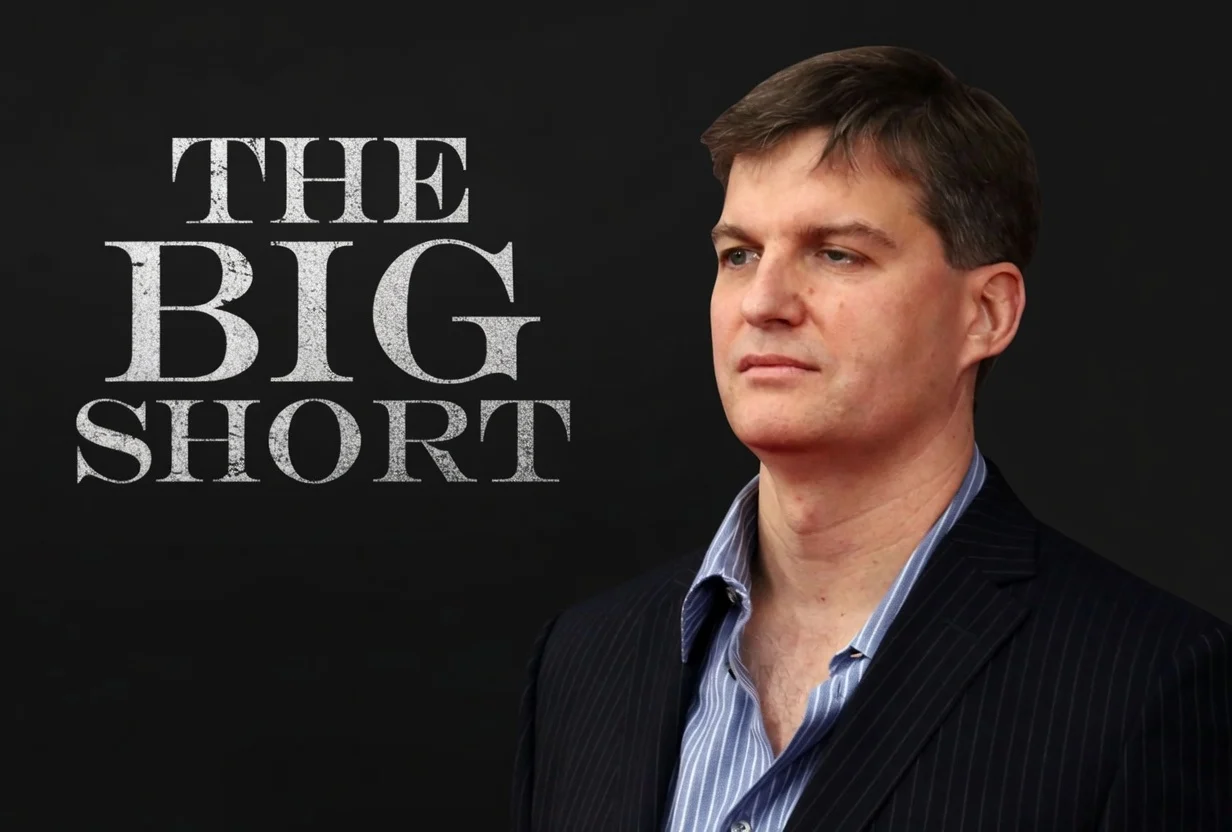
Michael Burry, renowned for his prescient call on the subprime mortgage collapse, has expressed strong skepticism regarding Berkshire Hathaway’s investment prospects. In a Sunday post on X, he revealed he views the conglomerate unfavorably following Warren Buffett’s transition from leadership.
Berkshire Hathaway Inc., BRK-B
This concern isn’t new for Burry. He had previously expressed apprehension about the post-Buffett era, specifically worrying whether any replacement could match Buffett’s distinctive ability to resist premature deployment of capital while awaiting truly exceptional opportunities—what the Oracle of Omaha famously termed a “fat pitch.”
The baseball metaphor originated with hitting legend Ted Williams. It refers to an investment opportunity so obviously superior, with minimal downside and substantial upside potential, that it warrants aggressive commitment.
Burry’s Assessment of New Leadership
In his X post, Burry stated: “My biggest fear for Berkshire Hathaway was that Warren Buffett’s eventual successor would lack Buffett’s patience and discipline to wait for the right fat pitch. I believe this fear has come true.”
He continued: “I do not find Berkshire an attractive investment going forward.”
Greg Abel assumed the chief executive position from Buffett in January 2026. With two complete quarters under his leadership, market observers are scrutinizing his approach to managing the company’s enormous cash position.

Capital deployment has begun under Abel’s watch. The second quarter of 2026 saw Berkshire execute $4.5 billion in share repurchases. This marks a dramatic increase from the first quarter’s modest $234.2 million, which itself represented the first buyback activity since May 2024.
Massive Cash Reserve Remains
Even with recent activity, Berkshire concluded the second quarter holding $365.5 billion across cash, equivalents, and short-duration investments. This figure represents only a marginal decrease of approximately 2% from the balance when Buffett transferred leadership at 2025’s conclusion.
Burry recognized the substantial remaining cash position. He characterized Abel’s recent decisions as “more framing moves than investment moves,” implying they represent strategic positioning rather than high-conviction capital allocation.
Berkshire delivered impressive financial results for the quarter. Second-quarter earnings surged more than twofold, propelled by portfolio appreciation and robust performance across industrial and consumer-facing business segments.
Nevertheless, market performance tells a different story. Through 2026, Berkshire’s Class B shares have advanced merely 3.8%. During the identical timeframe, the S&P 500 has climbed 13.3%.
Monday’s trading session saw Class B shares quoted at $534.47, representing an intraday gain of approximately 2.43%.
The social media response to Burry’s commentary was substantial, generating more than 1,500 responses on X. His criticism carries particular weight considering Berkshire’s longstanding reputation as a conservative, dependable holding rather than a high-risk speculation.
The fundamental issue Burry highlights is whether Berkshire continues to merit the valuation premium investors have historically granted it, now that the architect of that reputation has relinquished operational control.
Get 3 Free Stock Ebooks
Discover top-performing stocks in AI, Crypto, and Technology with expert analysis.
- Top 10 AI Stocks - Leading AI companies
- Top 10 Crypto Stocks - Blockchain leaders
- Top 10 Tech Stocks - Tech giants



