


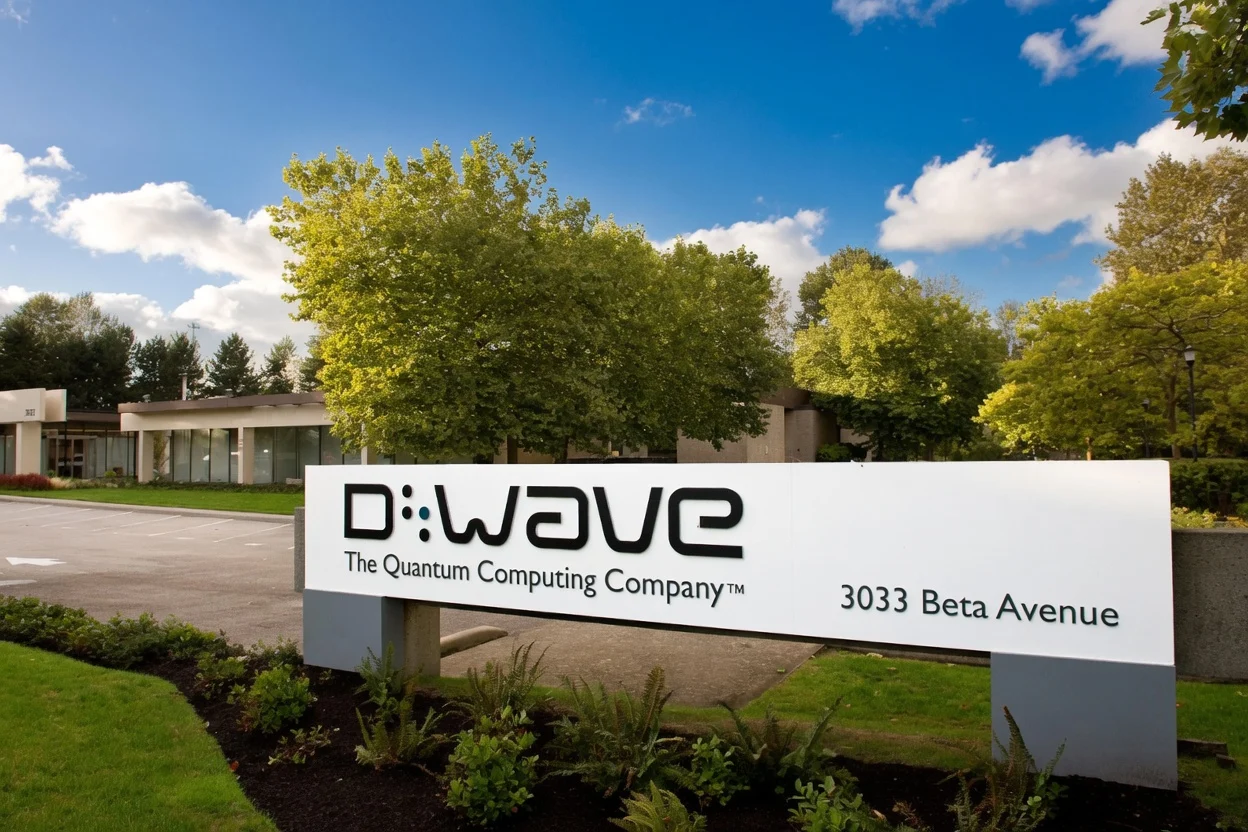
Key Highlights
- D-Wave celebrated its Nasdaq debut by ringing the Opening Bell on July 27 following its voluntary exchange transfer from NYSE, retaining the QBTS ticker symbol
- Shares finished Friday’s session at $16.21, reflecting a 38% decline since the start of the year
- The listing change was purely administrative—no fresh capital was raised, no financial updates were issued, and the share structure remained unchanged
- The company’s Q2 earnings release on August 6 represents the next significant milestone for market participants
- Wall Street analysts maintain a Strong Buy rating with a consensus target of $38.27, suggesting potential gains of approximately 135%
On July 27, 2026, D-Wave Quantum (QBTS) commenced its Nasdaq journey following the successful completion of its voluntary migration from the New York Stock Exchange. The company’s leadership, including CEO Dr. Alan Baratz, commemorated the milestone by participating in the Opening Bell ceremony at Nasdaq’s MarketSite facility in Times Square.
Monday’s opening price came in at $16.23. By Friday’s close, QBTS traded at $16.21, marking a year-to-date decline of 38%. Over the past twelve months, the stock has fluctuated within a band of $12.75 to $46.75.
The exchange transition required D-Wave to submit a Form 25 for NYSE delisting and a Form 8-A for Nasdaq registration. The company’s final NYSE trading session concluded on July 24, with Nasdaq operations beginning July 27 using the unchanged ticker symbol.
This procedural shift carries no immediate financial implications. No earnings were announced, no capital was secured, and the underlying share architecture remains intact.

Understanding the Impact of the Exchange Switch
While the Nasdaq platform could enhance D-Wave’s exposure to technology-oriented investment communities, the listing change doesn’t fundamentally transform the company’s financial metrics, revenue streams, or market traction for its quantum computing solutions.
D-Wave positions itself as the exclusive provider of dual-platform quantum computing technology, delivering both annealing-based and gate-model architectures. According to company communications, the Nasdaq transition represents a gateway to its “next stage of growth.”
Institutional ownership patterns show increasing momentum. During the first quarter, Allspring Global Investments expanded its stake by 319.3%, purchasing an additional 75,198 shares to reach a total holding of 98,747. Multiple institutional investors similarly increased their positions throughout Q4.
Corporate insider transactions tell a different story. CEO Alan Baratz divested 687,627 shares on June 8 at approximately $26.13 per share, trimming his ownership by 17.25%. VP Sophie Ames sold 23,025 shares during May at $18.98. Over the preceding three months, insiders collectively sold shares valued at $35.7 million.
Q2 Earnings Report Takes Priority on August 6
With the exchange migration now complete, market attention pivots squarely to the upcoming earnings announcement on August 6.
During the first quarter, D-Wave delivered earnings per share of -$0.05, surpassing analyst expectations of -$0.08. However, quarterly revenue totaled just $2.86 million, falling short of the $4.19 million forecast and representing an 80.9% year-over-year contraction.
Market observers will scrutinize indicators of strengthening commercial momentum—including top-line growth, order backlog, client acquisitions, and the rate of cash consumption—all of which feature prominently in investor calculations.
Wall Street sentiment remains decidedly optimistic. Among 13 analyst evaluations, the stock commands a Strong Buy consensus rating, comprising 12 Buy recommendations and 1 Hold. The mean price objective stands at $38.27, representing potential appreciation of roughly 135% from present trading levels.
Canaccord Genuity projects a $41 price target. Both Rosenblatt and Cantor Fitzgerald have established $43 targets. In June, Mizuho upgraded its forecast from $29 to $35 while maintaining an Outperform designation.
D-Wave’s current market capitalization registers at $6.01 billion, accompanied by a minimal debt-to-equity ratio of 0.03 and an elevated beta coefficient of 2.11.
Get 3 Free Stock Ebooks
Discover top-performing stocks in AI, Crypto, and Technology with expert analysis.
- Top 10 AI Stocks - Leading AI companies
- Top 10 Crypto Stocks - Blockchain leaders
- Top 10 Tech Stocks - Tech giants



