


Key Takeaways
- The iPhone maker is requesting approval to incorporate Chinese memory chips into products distributed internationally, citing supply constraints and cost concerns
- Micron Technology, America’s sole major memory chip producer, is actively opposing this proposal, citing risks to domestic manufacturing capabilities
- The cost of memory chips has surged fourfold in the past twelve months, fueled by artificial intelligence infrastructure demands
- The two Chinese manufacturers in question — CXMT and YMTC — carry Pentagon designations as Chinese military-linked entities
- The Trump administration faces a difficult decision between consumer affordability and safeguarding American semiconductor independence
A high-stakes conflict is unfolding that puts Apple, the US government, and the domestic chip industry on a collision course.
Tim Cook, Apple’s chief executive, has held discussions with top Trump administration figures, including Commerce Secretary Howard Lutnick and Treasury Secretary Scott Bessent, advocating for authorization to source memory chips from ChangXin Memory Technologies and Yangtze Memory Technologies, both Chinese firms.
According to Apple, this strategy would alleviate worldwide memory supply bottlenecks and help contain rising costs for US consumers. Importantly, these Chinese-manufactured chips would be restricted to Apple products distributed in international markets, not domestically.
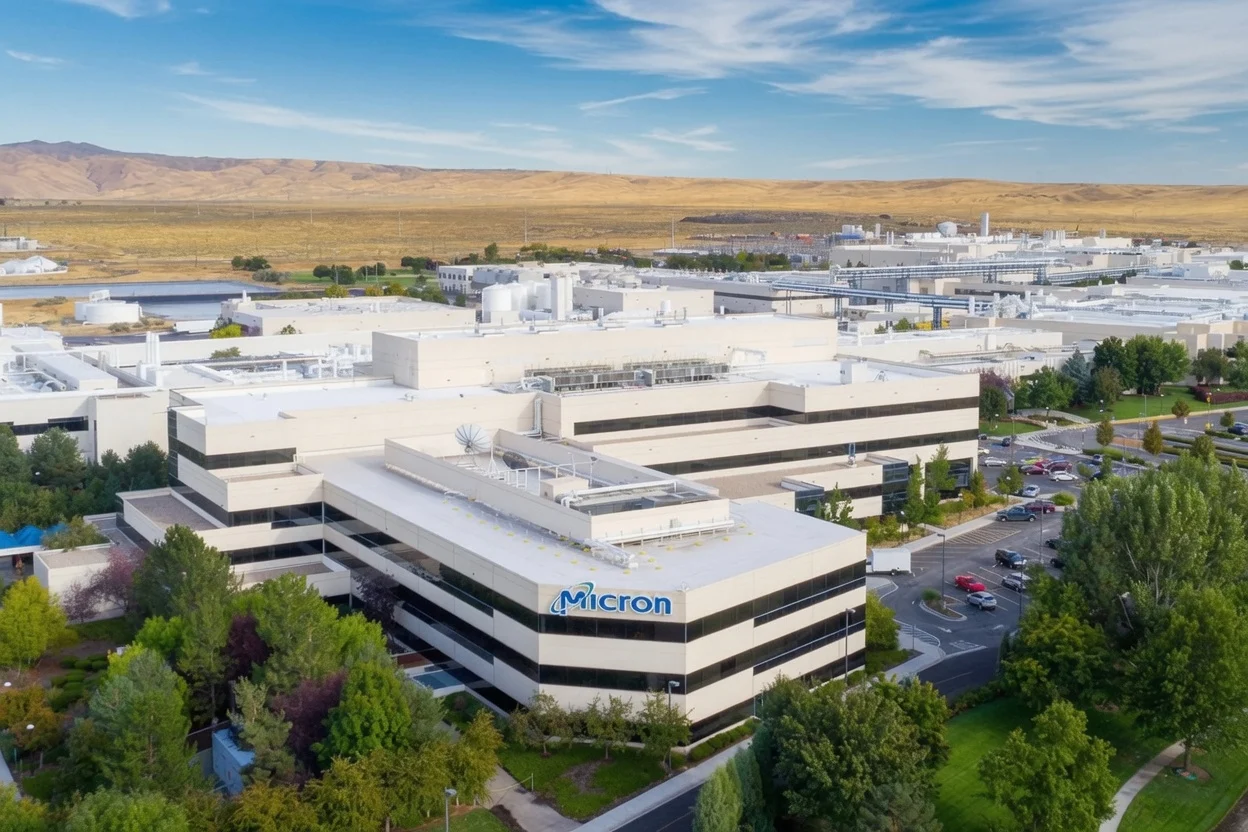
But Micron Technology stands firmly opposed. As the sole significant American memory chip manufacturer, Micron’s chief executive Sanjay Mehrotra has cautioned government officials that permitting American technology firms to purchase from Chinese rivals — even for products destined for foreign markets — risks undermining the US semiconductor sector.
Micron has drawn parallels to the decline of American steel and manufacturing industries, where Chinese competition contributed to significant domestic erosion.

A Fourfold Price Spike
The memory chip market has experienced dramatic price inflation over the last year, with costs increasing by approximately 400% according to industry analyst firm TechInsights. The primary driver behind this surge is the explosive growth of AI infrastructure, where data centres purchase substantial quantities of high-performance memory at elevated price points.
This AI-driven demand has constrained available supply for smartphones, automotive systems, and medical equipment — fundamentally shifting the bargaining dynamics that previously favoured Apple in supplier negotiations.
Apple has publicly criticized Micron for capitalizing on tight supply conditions. The tech giant highlights Micron’s gross margins, which currently surpass 80%, as indication of excessive pricing. Apple further contends that Micron is prioritizing production allocation toward artificial intelligence clients over traditional consumer electronics manufacturers.
Micron disputes this characterization entirely. The company maintains that current pricing reflects broader market dynamics beyond simple memory costs, and has committed $250 billion toward expanding American manufacturing infrastructure.
Security Concerns Add Another Layer
Both Chinese manufacturers central to this debate carry significant national security designations. YMTC appears on the US Entity List — effectively a trade restriction roster — while both CXMT and YMTC have received Pentagon classifications as Chinese military-affiliated companies.
Michael Kratsios, the White House technology adviser, testified before Congress this week that US corporations should avoid commercial relationships with entities on the Entity List.
Apple attempted a partnership with YMTC in 2022 but withdrew following political backlash, including a stern warning from then-Senator Marco Rubio that Apple was “playing with fire.” Rubio now serves as Secretary of State and continues to participate in these ongoing deliberations.
President Trump has publicly commended both Apple and Micron for their domestic investment commitments and has not yet revealed a position on this matter. The administration is simultaneously engaged in broader trade negotiations with China, further complicating any potential resolution.
Get 3 Free Stock Ebooks
Discover top-performing stocks in AI, Crypto, and Technology with expert analysis.
- Top 10 AI Stocks - Leading AI companies
- Top 10 Crypto Stocks - Blockchain leaders
- Top 10 Tech Stocks - Tech giants



