


Key Takeaways
- Danish pharmaceutical company Novo Nordisk has requested a preliminary injunction demanding immediate cessation of Eli Lilly’s marketing campaigns for weight-loss and diabetes medications in the United States.
- The company alleges Lilly’s advertisements for Zepbound and Mounjaro employ deceptive dosage comparisons when benchmarked against Wegovy and Ozempic.
- According to the complaint, Lilly deliberately excluded reference to updated, higher-strength formulations of Novo’s medications that demonstrate superior weight reduction outcomes.
- Novo Nordisk is pursuing both a permanent court order stopping the ads and mandated corrective advertising from its competitor.
- Eli Lilly has rejected the accusations and pledged a robust legal defense.
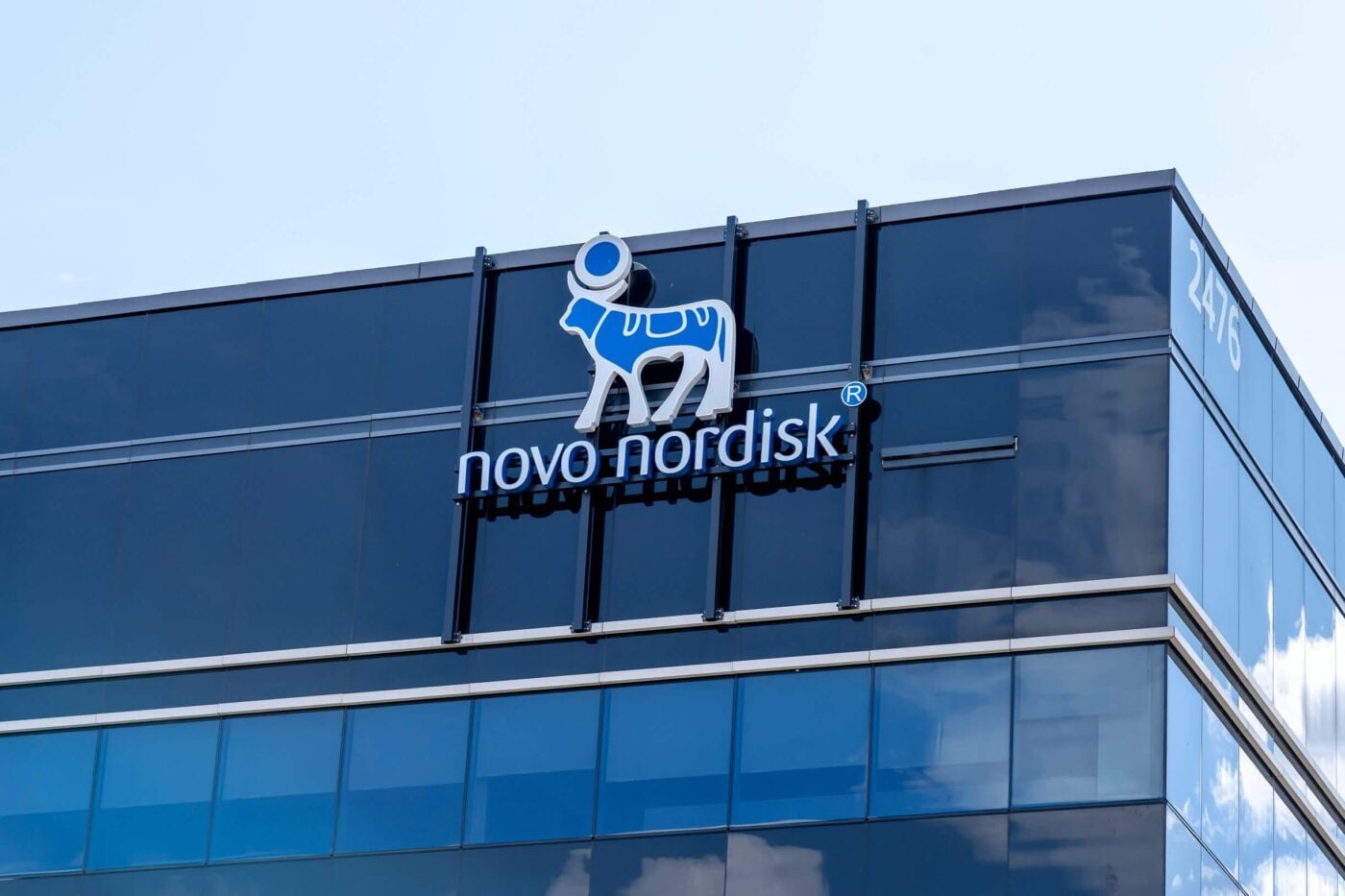
The Danish pharmaceutical manufacturer submitted an emergency motion this Friday with the U.S. District Court for the District of New Jersey, requesting judicial intervention to immediately terminate Eli Lilly’s ongoing promotional campaigns for its metabolic disease treatments.
NVO stock was down 0.02% on the day, while LLY gained 1.97%.
This legal maneuver represents an escalation in litigation that Novo initiated earlier this week when it formally sued Lilly on Tuesday.
The company had previously indicated it would pursue urgent judicial relief if its competitor refused to voluntarily withdraw the controversial advertisements. Lilly declined to do so.

The disputed marketing materials advertise Lilly’s weight-loss medication Zepbound alongside its diabetes therapy Mounjaro.
Novo contends that Lilly‘s promotional strategy involves comparing the maximum authorized dosages of Zepbound and Mounjaro with lower-strength formulations of Wegovy and Ozempic — while deliberately omitting information about Novo’s recently introduced higher-dose alternatives.
According to Novo, these enhanced formulations produce more substantial weight-loss outcomes, rendering Lilly’s comparative advertising fundamentally deceptive to the public.
The lawsuit cites violations of regulations governing fraudulent advertising practices and unfair market competition.
Novo’s Court Demands
The pharmaceutical company is requesting dual relief from the court: an immediate temporary restraining order while litigation proceeds through the judicial system, and an eventual permanent mandate requiring Lilly to retract its marketing campaigns and disseminate corrective advertisements to consumers.
A preliminary injunction, should the court grant it, would suspend the advertisements prior to final case adjudication — a challenging legal threshold to satisfy.
Lilly’s Position
When the initial lawsuit emerged on Tuesday, Lilly categorically rejected any misconduct allegations. The pharmaceutical company affirmed confidence in its marketing practices and announced its intention to mount an aggressive legal defense.
As of Friday publication time, Lilly had not provided a response to media inquiries regarding the preliminary injunction filing.
Both pharmaceutical giants are competing for dominance in the rapidly expanding GLP-1 medication sector, which industry analysts forecast could surpass $100 billion in United States revenue alone before 2030 concludes.
The litigation is proceeding through the District of New Jersey, with the preliminary injunction request representing the next critical procedural milestone.
Get 3 Free Stock Ebooks
Discover top-performing stocks in AI, Crypto, and Technology with expert analysis.
- Top 10 AI Stocks - Leading AI companies
- Top 10 Crypto Stocks - Blockchain leaders
- Top 10 Tech Stocks - Tech giants



