


Key Takeaways
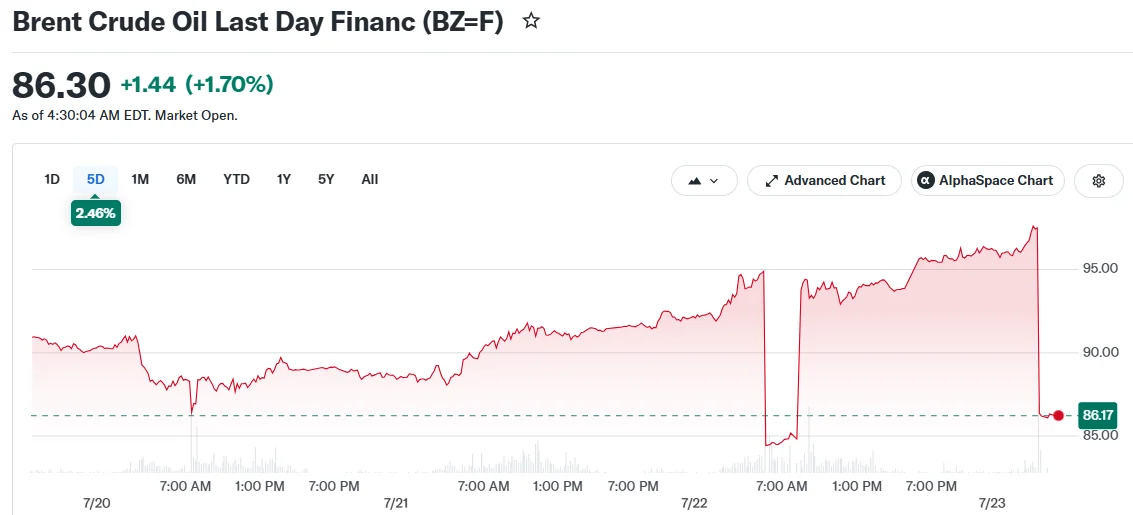
- Brent crude surged 4% to reach $97.87 per barrel, marking the highest price point since the beginning of June
- Iranian authorities announced a “complete closure” of the Strait of Hormuz following a tanker explosion incident
- Houthi forces targeted two Saudi-linked oil tankers navigating the Red Sea’s Bab el-Mandeb chokepoint
- American forces concluded their 12th successive night of military operations against Iranian targets
- Financial analysts at Goldman Sachs project oil prices will maintain elevated levels through the summer months
Global oil markets extended their winning streak to five consecutive sessions on Thursday, with Brent crude jumping 4% to settle at $97.87 per barrel—the highest valuation recorded since June 3. Meanwhile, U.S. West Texas Intermediate crude climbed 3.2% to reach $89.63 per barrel.
The price surge stemmed from escalating concerns about potential supply interruptions at two strategically vital maritime passages for global petroleum transport.
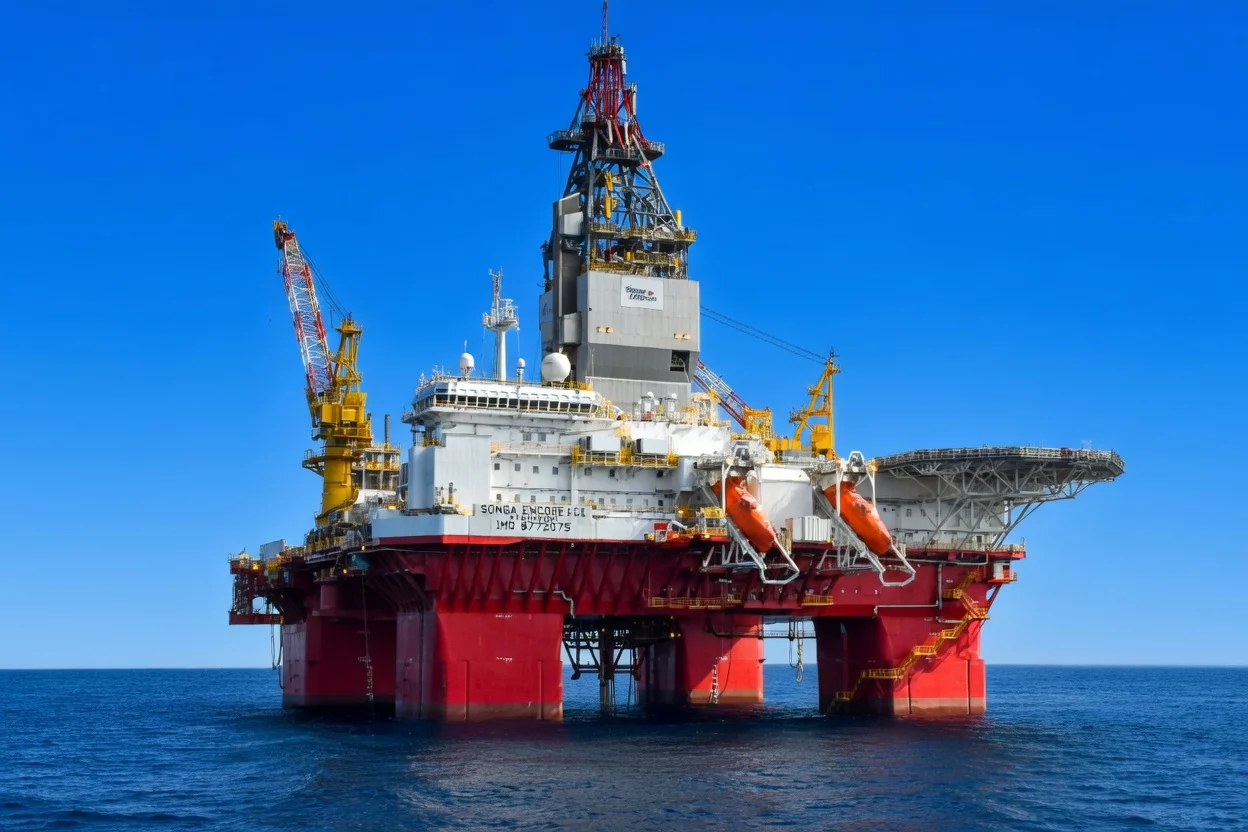
According to Iran’s Revolutionary Guards, an oil tanker ignited following an explosive incident on a mined shipping lane south of the Strait of Hormuz, close to Oman’s coastline. Two additional vessels reversed their course in response. Iranian officials subsequently announced a full blockade of the strait, stipulating that all tanker traffic must now receive advance authorization from Iranian authorities before passage.
Red Sea Attacks Intensify Maritime Crisis
Simultaneously, Houthi forces with Iranian backing claimed responsibility for strikes on two Saudi oil tankers—identified as ENCELA and LAYLIA—while transiting Red Sea waters. The militant organization asserted the vessels breached a recently imposed maritime embargo targeting Saudi-affiliated shipping operations.
Saudi officials have yet to verify any vessel damage. However, these assaults represent a significant escalation in a confrontation that now endangers both the Strait of Hormuz and the Bab el-Mandeb strait concurrently.

Combined, these maritime corridors facilitate a substantial portion of global seaborne petroleum transport. The Bab el-Mandeb serves as the connection between the Red Sea and the Gulf of Aden. Analysts at Goldman Sachs reported that approximately 9 million barrels per day have transited this strait recently, with roughly 4 million barrels per day representing flows that would face significant rerouting challenges if both passages were simultaneously obstructed.
Multiple Saudi crude carriers destined for Indian and Chinese refineries had already modified their routes earlier this week in response to Houthi threats.
American Military Campaign Continues Against Iran
The U.S. Department of Defense confirmed completion of its 12th consecutive evening of military strikes targeting Iranian positions. President Donald Trump had previously announced his intention to eliminate Iranian infrastructure—including bridges or electrical facilities—each time Iran engages vessels in the Strait of Hormuz.
Ahmad Assiri, research strategist at Pepperstone, noted that financial markets are now factoring in “a concerning likelihood of supply disruptions affecting a second critical chokepoint,” which continues to provide underlying support for petroleum prices.
Goldman Sachs analysts forecast that crude oil will preserve the majority of its recent price appreciation throughout July and August. Their assessment cited diminishing worldwide inventories, reduced Middle Eastern output, heightened summer travel demand, and decreased releases from government petroleum reserves.
One contradictory indicator emerged from recent data. The U.S. Energy Information Administration reported an unexpected increase in commercial crude stockpiles of 2 million barrels during the week ending July 17, elevating total reserves to 411.7 million barrels. Gasoline and distillate inventories similarly expanded.
Notwithstanding the inventory accumulation, market participants remained fixated on shipping hazards, escalating insurance premiums, and the potential for additional strikes targeting tankers or energy facilities.
Get 3 Free Stock Ebooks
Discover top-performing stocks in AI, Crypto, and Technology with expert analysis.
- Top 10 AI Stocks - Leading AI companies
- Top 10 Crypto Stocks - Blockchain leaders
- Top 10 Tech Stocks - Tech giants



