


Key Takeaways
- Shares of Fiserv advanced following reports of interest in its debit network.
- Leading banks including JPMorgan and Bank of America engaged in acquisition discussions.
- The STAR Network facilitates transactions for over 115 million debit users nationwide.
- Any transaction may encounter significant regulatory and merchant opposition.
- The company considers strategic alternatives following challenging stock performance.
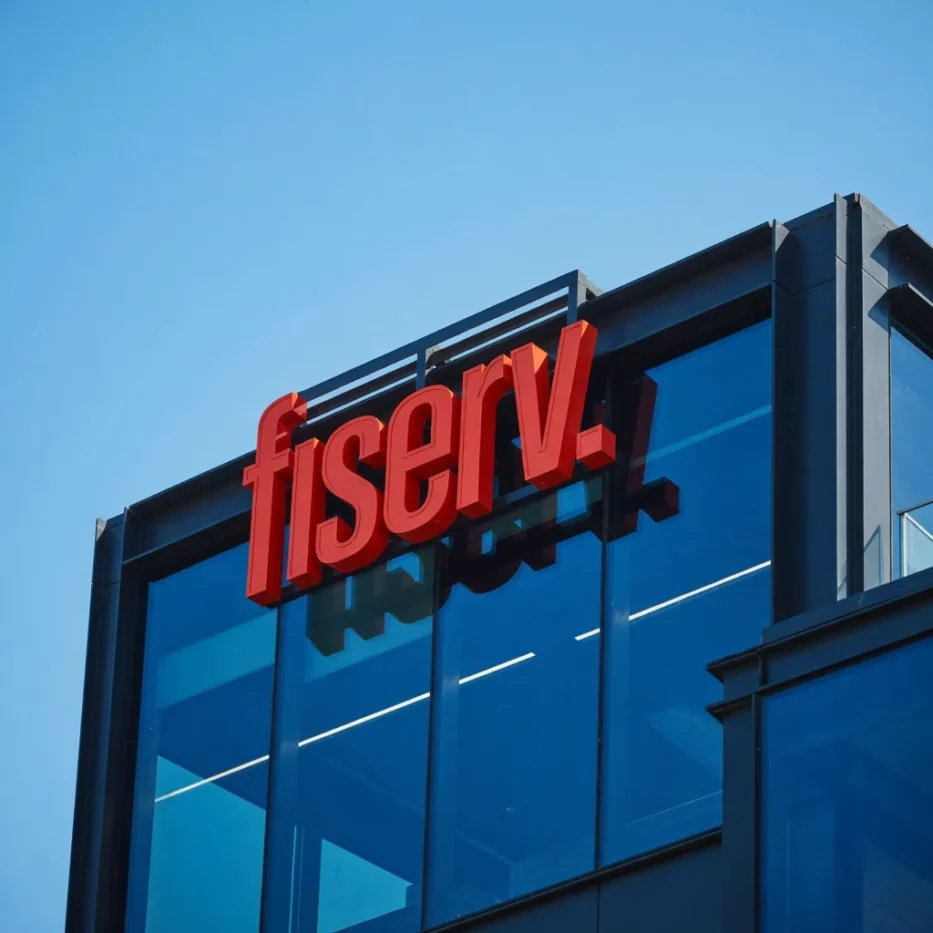
Shares of Fiserv (FISV) jumped 3.71% to reach $53.70 following news that prominent banking institutions are exploring acquisition options for its debit processing network. The stock extended gains with a 4.4% increase in after-hours trading Monday, despite a year-to-date decline of 23%. The rally was triggered by emerging details about negotiations surrounding its STAR Network payments platform.
Leading Financial Institutions Pursue Fiserv Payments Platform
Fiserv has engaged in negotiations with JPMorgan and Bank of America regarding a potential divestiture of its payments processing operation. This division manages debit card authorization and settlement across financial institutions, retail businesses, consumers, and online payment ecosystems. These discussions represent one element of a comprehensive strategic assessment aimed at enhancing shareholder value.
Additional participants in the negotiation process include Wells Fargo and PNC Financial Services Group, according to Reuters reporting. Despite ongoing conversations, no definitive agreement has materialized, and negotiations may conclude without a transaction. Sources familiar with the matter spoke on condition of anonymity due to confidentiality restrictions.
The exploration of this divestiture follows a challenging period for the financial technology provider. Fiserv has confronted headwinds from disappointing equity performance and executive transitions. Consequently, management appears committed to portfolio optimization and strategic repositioning.
STAR Network Powers Nationwide Debit Infrastructure
The STAR Network operates as a critical routing platform for debit card purchases, ATM withdrawals, electronic commerce, and related payment activities. It establishes connections among banking institutions, merchant processors, account holders, and digital payment services throughout the United States. This operation represents a cornerstone of Fiserv’s broader payments ecosystem.

According to company disclosures, STAR facilitates payment services for more than 115 million debit cardholders nationwide. The network also processes transactions for cards issued by over 2,800 depository institutions. This extensive reach positions the asset as strategically valuable to major banks pursuing expanded payments capabilities.
The infrastructure could appeal to banking giants because it occupies a pivotal position in transaction processing flows. It enables seamless payment authorization across in-person and digital environments. Nevertheless, its market dominance could attract heightened examination from policymakers if major financial institutions assume control.
Compliance Considerations Influence Investor Sentiment
Any potential acquisition would occur during a relatively accommodating regulatory climate for major financial institutions. Current conditions have prompted banks to pursue expansion opportunities in payments technology and financial infrastructure. A network acquisition of this magnitude could advance those strategic objectives.
The Wall Street Journal initially disclosed the negotiations and connected them to debit-card interchange fee regulations. Reporting suggested that bank ownership might enable lenders to circumvent certain federal fee restrictions. This prospect could intensify examination from congressional committees, regulatory agencies, and merchant advocacy organizations.
Certain prospective acquirers evaluated the Fiserv asset but subsequently withdrew from consideration. These parties expressed apprehension that an acquisition could provoke significant opposition from regulators and retail interests. Nonetheless, the sustained interest demonstrates strong appetite for payments infrastructure despite substantial legal and political uncertainties.
Get 3 Free Stock Ebooks
Discover top-performing stocks in AI, Crypto, and Technology with expert analysis.
- Top 10 AI Stocks - Leading AI companies
- Top 10 Crypto Stocks - Blockchain leaders
- Top 10 Tech Stocks - Tech giants



