


Quick Overview
- Carl Rinsch received a 30-month federal prison sentence for misappropriating $11 million from Netflix
- Funds were designated for producing the sci-fi series “White Horse,” later renamed “Conquest”
- Initial stock options trading cost him roughly half the misappropriated funds
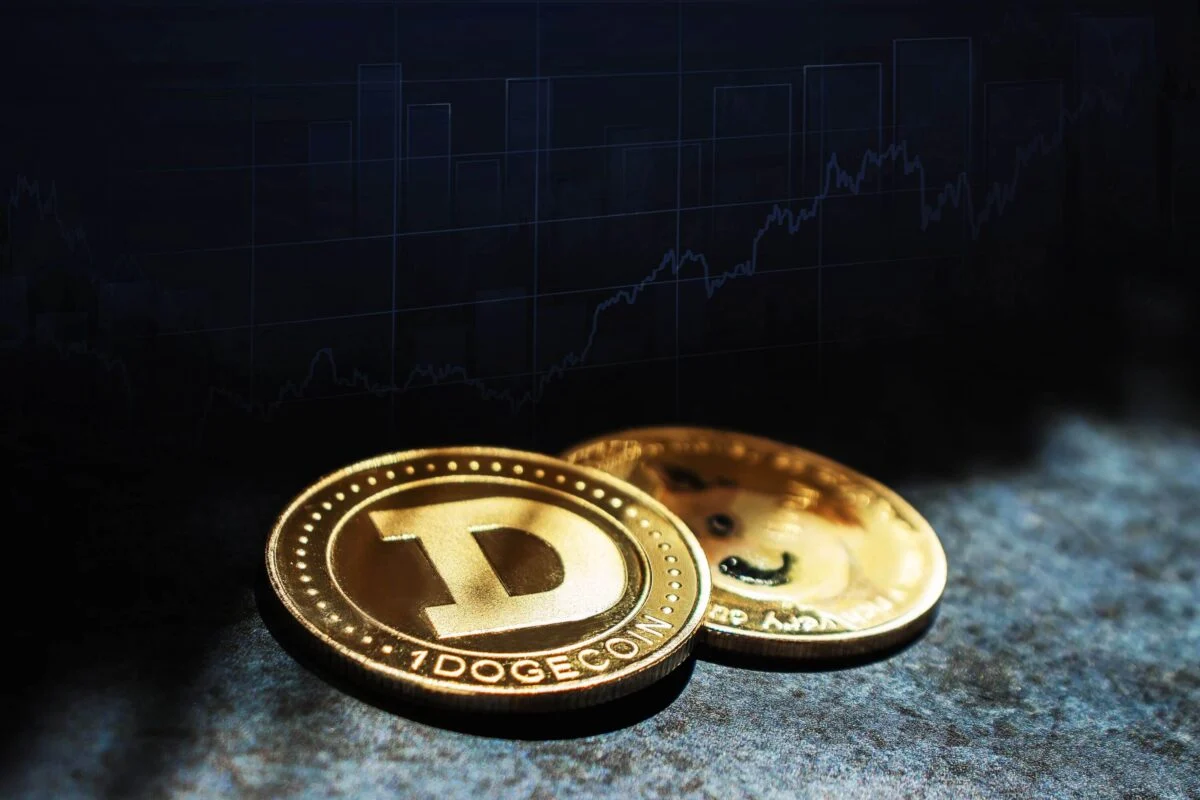
- Subsequent Dogecoin investment grew approximately $4 million to $27 million, though courts ruled profits irrelevant
- Proceeds funded extravagant purchases including multiple Rolls-Royces, a Ferrari, and high-end furnishings
A federal court in Manhattan has sentenced Hollywood director Carl Rinsch to 30 months behind bars for fraudulently obtaining $11 million from Netflix that was earmarked for television production.
The sentencing took place Monday in a Manhattan federal courthouse. Rinsch, who gained recognition for helming the 2013 Keanu Reeves action film “47 Ronin,” was found guilty in December 2025 following a week-long trial.
At the heart of the prosecution was a science fiction streaming project titled “White Horse,” which was subsequently rebranded as “Conquest.” Between 2018 and 2019, Netflix had already invested approximately $44 million in the production.
In March 2020, Netflix transferred an additional $11 million to complete the series. According to federal prosecutors, none of these funds were applied to their intended purpose.
Rinsch allegedly funneled the money through various accounts before landing it in his personal brokerage account. He deployed $10.5 million trading options contracts linked to pharmaceutical stocks and the S&P 500 index.
In less than two months, he had lost more than 50% of those funds.

The Dogecoin Gamble
Following his substantial stock market losses, Rinsch moved over $4 million of what remained to cryptocurrency platform Kraken. His entire position went into Dogecoin.
The gamble proved lucrative. Upon liquidating his Dogecoin holdings in May 2021, he realized profits totaling approximately $27 million.
Federal prosecutors maintained that the cryptocurrency windfall was immaterial to the underlying criminal conduct. They emphasized that the funds were acquired through fraudulent representations and deployed for unauthorized purposes.
While the Dogecoin investment generated significant public attention, the court’s analysis centered on the fraudulent acquisition of funds and their unauthorized use.
Lavish Spending Spree
Rinsch allocated roughly $10 million of his cryptocurrency profits toward personal luxuries and expenses.
The spending breakdown included $3.8 million on high-end furniture and antique pieces, $2.4 million purchasing five Rolls-Royce automobiles plus one Ferrari, $1.8 million settling credit card balances, $1 million in legal expenses for litigation against Netflix, and $652,000 on designer watches and clothing.
The television series was never completed. The production funds were never reimbursed.
U.S. Attorney Jay Clayton emphasized the significance of the sentence in a public statement, declaring that “Fraud will not be tolerated.”
Lighter Than Requested Sentence
Federal prosecutors had recommended a five-year prison term. Rinsch’s legal team argued for no incarceration, pointing to mental health considerations. Multiple character witnesses, including actor Keanu Reeves, submitted letters supporting leniency.
The presiding judge ultimately imposed a 30-month sentence, substantially below the prosecution’s recommendation.
Additional penalties include three years of supervised release following imprisonment, $11 million in forfeiture payments, and $700 in mandatory special assessments.
Rinsch was found guilty on one wire fraud count, one money laundering count, and five counts of conducting monetary transactions using proceeds from illegal activity.
The legal proceedings began with his arrest in March 2025 and concluded with sentencing on July 1, 2026.
Get 3 Free Stock Ebooks
Discover top-performing stocks in AI, Crypto, and Technology with expert analysis.
- Top 10 AI Stocks - Leading AI companies
- Top 10 Crypto Stocks - Blockchain leaders
- Top 10 Tech Stocks - Tech giants



