


Key Takeaways
- The probability of the Fed maintaining its current rate stance at the June 17 FOMC meeting stands at 99.4–99.6% according to market data
- Prediction platforms indicate a 64% probability of an interest rate increase occurring before July 2027
- A recent Bank of America fund manager poll reveals 40% now anticipate at least one rate increase within 12 months, a significant jump from 16%
- Year-over-year US inflation accelerated to 4.2% in May, climbing from April’s 3.8% reading
- Digital asset markets are showing signs of caution as restrictive monetary conditions drain liquidity from cryptocurrency investments
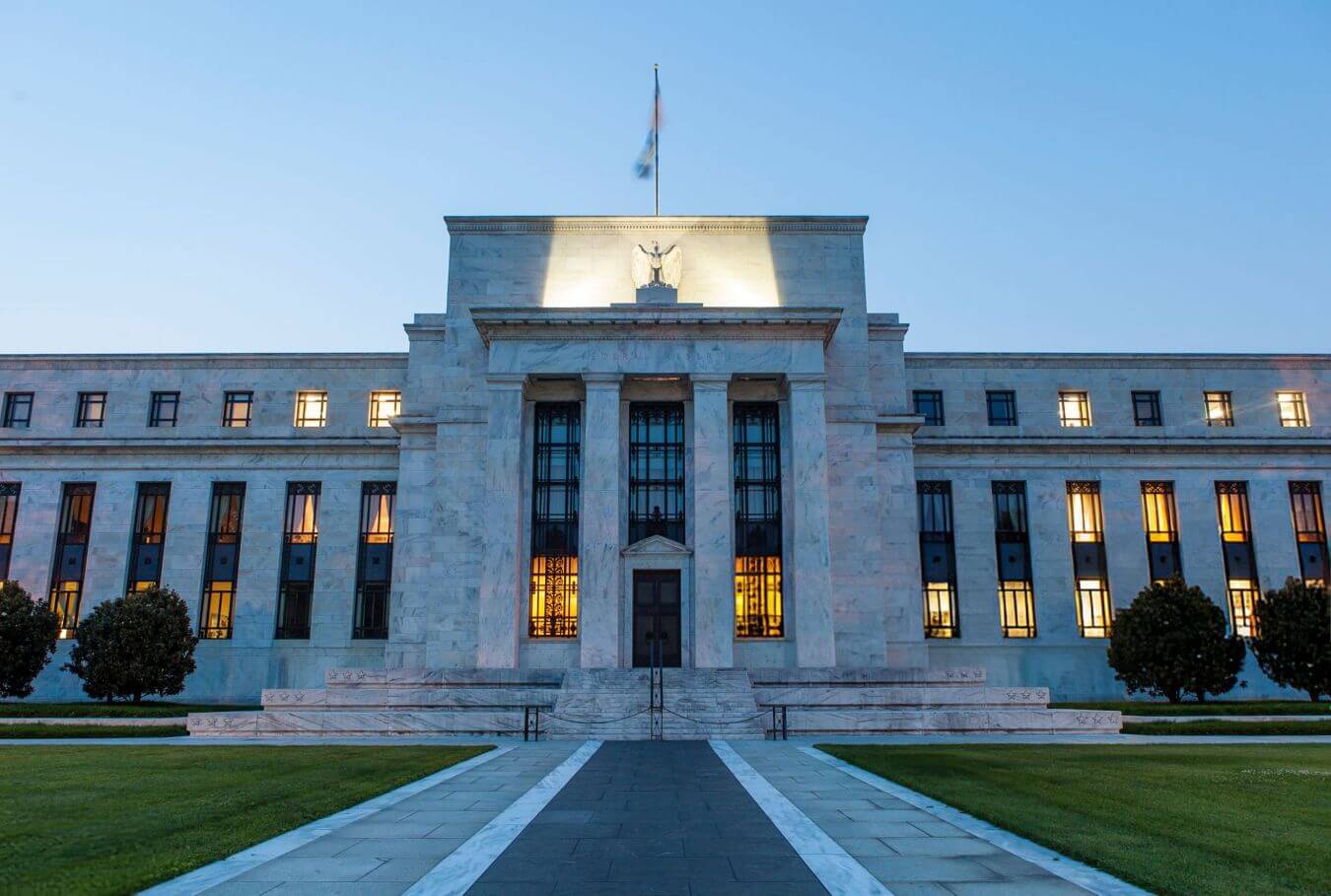
The Federal Reserve appears certain to maintain its current interest rate policy at the upcoming June 17 FOMC gathering. According to CME FedWatch Tool data, market participants are assigning overwhelming 99.4–99.6% probability to a no-change scenario.
Kevin Warsh will preside over his inaugural FOMC meeting following his appointment by President Donald Trump. His leadership debut comes during a challenging period as persistent inflation has clouded the trajectory toward potential rate reductions.
A comprehensive CNBC poll encompassing 32 economists, market strategists, and investment managers revealed unanimous agreement that the Fed will leave rates untouched at this gathering. Respondents also anticipate unchanged policy extending throughout 2027.
However, forward-looking market sentiment tells a different story. Kalshi prediction market analytics currently demonstrate a 64% likelihood of a rate increase materializing before July 2027. This figure represents a substantial elevation from projections earlier in 2026.
The Bank of America fund manager assessment corroborates this trend. Approximately 40% of survey participants now forecast at least one rate hike within the coming 12 months. This marks a dramatic escalation from the previous month’s 16%. Meanwhile, only 28% anticipate rate reductions.
Inflationary Pressures and Energy Market Dynamics Reshape Expectations
Accelerating inflation stands as the primary catalyst behind evolving market expectations. US consumer price data showed a 0.5% monthly increase in May. The annual inflation metric jumped to 4.2%, representing a notable advance from April’s 3.8% figure.

Escalating oil prices have intensified inflationary concerns. Geopolitical friction between the United States and Iran has driven energy valuations upward, generating anxiety about potential supply disruptions through the strategically vital Strait of Hormuz.
The CNBC survey discovered that 88% of participants anticipate the Fed will eliminate forward guidance language implying rate cuts as the next policy adjustment. This would represent a meaningful rhetorical pivot, even absent concrete rate modifications.
Gregory Daco, serving as chief economist at EY, remarked to CNBC that Warsh “will inherit a committee that has become noticeably more hawkish,” notwithstanding his reputation for dovish policy preferences.
Fed funds futures markets mirror this recalibration. Trading activity suggests minimal expectations for accommodative policy adjustments over the coming years, with rates projected to hover near the present 3.62% benchmark.
Cryptocurrency Assets Navigate Tightening Conditions
Digital currency markets have demonstrated measured responses to evolving rate expectations. Elevated interest rates typically divert capital away from speculative asset classes, including cryptocurrencies.
The Bank of Japan recently implemented a 25 basis point increase, pushing its rate to 1%—the highest level in over three decades. Similarly, the European Central Bank executed a 25 basis point hike to 2.25%, marking its first increase since 2023.
A potential diplomatic resolution between the United States and Iran, disclosed following the conclusion of the CNBC survey, could potentially alleviate energy price pressures. Should inflation moderate consequently, the Federal Reserve might gain additional latitude regarding future policy calibrations.
Presently, cryptocurrency investors and traditional financial market participants are monitoring FOMC communications for indications about the monetary policy trajectory ahead.
Get 3 Free Stock Ebooks
Discover top-performing stocks in AI, Crypto, and Technology with expert analysis.
- Top 10 AI Stocks - Leading AI companies
- Top 10 Crypto Stocks - Blockchain leaders
- Top 10 Tech Stocks - Tech giants



