


Key Takeaways
- An interim agreement between Washington and Tehran will reopen the strategically vital Strait of Hormuz shipping channel
- Brent crude plunged 4.5% to $83.41 while WTI tumbled 5.5% to $80.28, marking three-month lows for both benchmarks
- Major European oil companies saw sharp declines: Shell down 4.5%, Equinor off 5.9%, TotalEnergies falling 5%
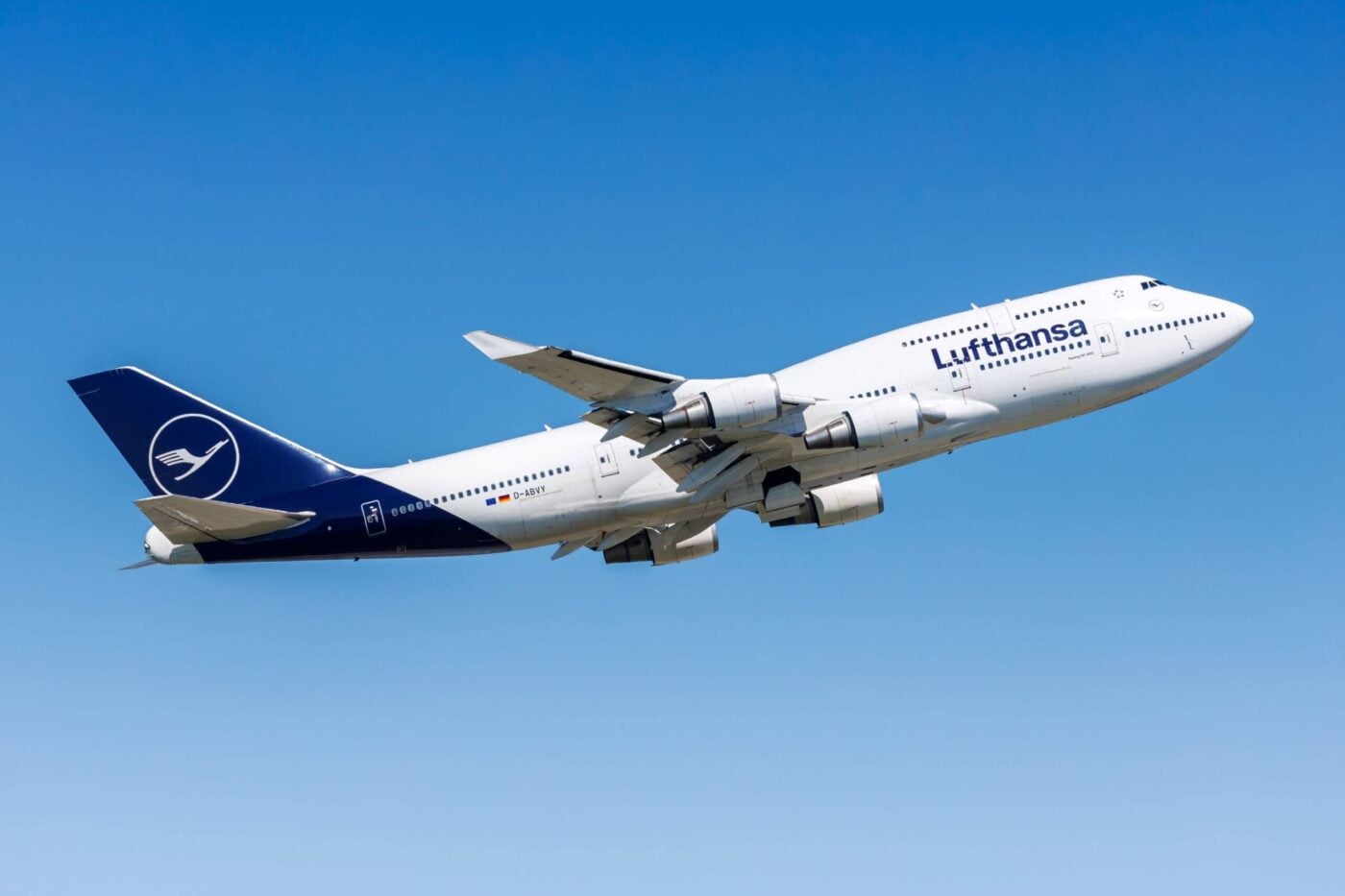
- Airline shares jumped on lower fuel cost prospects, with Wizz Air climbing 7.8% and Lufthansa advancing 6.1%
- Broader European stock markets rallied, led by Paris CAC 40’s 1.8% gain and Frankfurt DAX’s 1.5% rise
A landmark interim agreement between the United States and Iran to reopen the Strait of Hormuz has dramatically reshaped global financial markets, sending crude oil prices into a tailspin while sparking a rally in transportation and consumer stocks across Monday’s trading session.
The breakthrough deal targets one of the planet’s most critical energy chokepoints, through which roughly 20% of worldwide petroleum supplies typically flow.
Oil benchmarks experienced substantial losses as markets digested the news. Brent crude retreated 4.5% to settle at $83.41 per barrel, while US West Texas Intermediate plummeted 5.5% to $80.28. Both contracts reached their weakest levels since March 10.
President Trump revealed the agreement Sunday evening through his Truth Social platform, declaring: “Ships of the World, start your engines. Let the oil flow!” The president indicated that American naval forces would end their blockade of Iranian ports and that the strategic waterway would become operational again by Friday.
A formal memorandum of understanding will be executed in Switzerland this Friday. Pakistani Prime Minister Shehbaz Sharif, whose government facilitated the diplomatic negotiations, verified the upcoming signing ceremony.

According to Iran’s deputy foreign minister, a comprehensive long-term agreement will be hammered out during a 60-day ceasefire window. Iran’s Mehr news agency, which has semi-official status, indicated the strait could resume operations within 30 days under Iranian oversight.
Energy Sector Bears the Brunt
The rapid decline in petroleum prices delivered a significant blow to European energy corporations. Shell shares declined 4.5%, while Equinor tumbled 5.9%. TotalEnergies retreated 5%, and Repsol shed 3.5%. Neste and Eni similarly recorded substantial losses.
Prior to the conflict that sealed off the passage, the Strait of Hormuz facilitated approximately one-fifth of global oil shipments. Close to 600 commercial vessels currently remain stuck in the region, awaiting clearance to transit.
Crude oil had surged to approximately $120 per barrel at the height of tensions. Monday’s pricing around $83.48 represents a dramatic retreat from those elevated levels.
Transportation and Premium Brands Advance
The prospect of reduced jet fuel expenses propelled airline equities higher. IAG, the parent company of British Airways, appreciated 3%. Wizz Air surged 7.8%. Lufthansa climbed 6.1%, and TUI advanced 6.7%.
Luxury goods manufacturers also experienced upward momentum. LVMH appreciated 2.4%, Hermès increased 2.1%, and Ferrari posted gains. Kering and Dior similarly advanced.
European equity benchmarks opened decisively higher. London’s FTSE 100 climbed 0.5%, the Paris CAC 40 surged 1.8%, and Frankfurt’s DAX advanced 1.5%.
Gold prices simultaneously strengthened, touching $4,322 per ounce. Mining companies listed on the FTSE 100 ranked among the session’s strongest performers, with Antofagasta jumping 6.7% and Fresnillo advancing 6%.
Tokyo’s Nikkei 225 rocketed 5% to establish a fresh record high. Shanghai’s composite index climbed 1.6%.
The Bank of England faces an interest rate decision Thursday. UK inflation figures are scheduled for Wednesday release. The collapse in oil prices has diminished market expectations for additional rate increases.
Get 3 Free Stock Ebooks
Discover top-performing stocks in AI, Crypto, and Technology with expert analysis.
- Top 10 AI Stocks - Leading AI companies
- Top 10 Crypto Stocks - Blockchain leaders
- Top 10 Tech Stocks - Tech giants



