


TLDR
- IATA downgraded global airline net profit projection to $23 billion from $41 billion forecast
- Jet fuel costs expected to reach $152 per barrel average in 2026, representing nearly 70% increase
- Major U.S. carriers Delta, United, and American have demonstrated strength with gains of 56%, 26%, and 14% respectively
- North American carriers projected to capture $9.4 billion of total $23 billion worldwide profit
- Delta’s American Express partnership delivered $8.2 billion in 2025; United operates 370+ destination network globally
Shares of major airline companies experienced declines Monday following a stark profit warning issued by the International Air Transport Association for the worldwide aviation sector. The initial selloff intensity moderated somewhat after Iran declared an end to its military strikes targeting Israel, which had previously driven crude oil prices upward.
Delta Air Lines concluded early market activity with a 0.7% decline, while United Airlines shed 1.4% after experiencing nearly 3% losses before the opening bell. Southwest Airlines, Norwegian Cruise Line, Royal Caribbean, and Carnival each posted losses exceeding 1%.
IATA Slashes Industry Profitability Outlook
The International Air Transport Association reduced its 2026 net profit projection for worldwide airlines to $23 billion, representing a significant cut from the previously forecasted $41 billion. This revised figure also represents approximately half of the $45 billion profit level achieved in the previous year.
Soaring fuel expenses are the primary catalyst behind this dramatic downgrade. The association anticipates total fuel expenditures will climb by approximately $100 billion to reach $350 billion throughout the current year. Aviation fuel is projected to average $152 per barrel, marking a nearly 70% surge compared to the preceding year.

“Every airline’s financial performance is being impacted by the dramatic 70% surge in jet fuel pricing,” stated IATA Director General Willie Walsh. He noted that carriers are implementing fare adjustments and operational efficiency improvements, though these measures will prove insufficient to sustain last year’s profitability benchmarks.
Carriers operating in North America are anticipated to generate $9.4 billion of the $23 billion worldwide total, representing a decrease from the $12.4 billion earned last year.
The IATA indicated that U.S.-based airlines possess compelling motivation to implement ticket price increases, particularly given that most have abandoned fuel hedging strategies. The organization projects that traditional network carriers will demonstrate superior resilience compared to budget operators throughout North America.
Delta vs. United: Contrasting Business Approaches
Notwithstanding the industry-wide challenges, Delta and United have maintained impressive performance throughout the past year. Delta has climbed 56%, United has advanced 26%, and American Airlines has risen 14%. Southwest has posted gains of 24% during the identical timeframe.
Delta generated revenue totaling $63.4 billion during fiscal 2025, achieving net income of approximately $5 billion and a net margin of 7.9%. Its strategic alliance with American Express produced $8.2 billion last year, providing substantial protection against volatile fuel cost fluctuations.
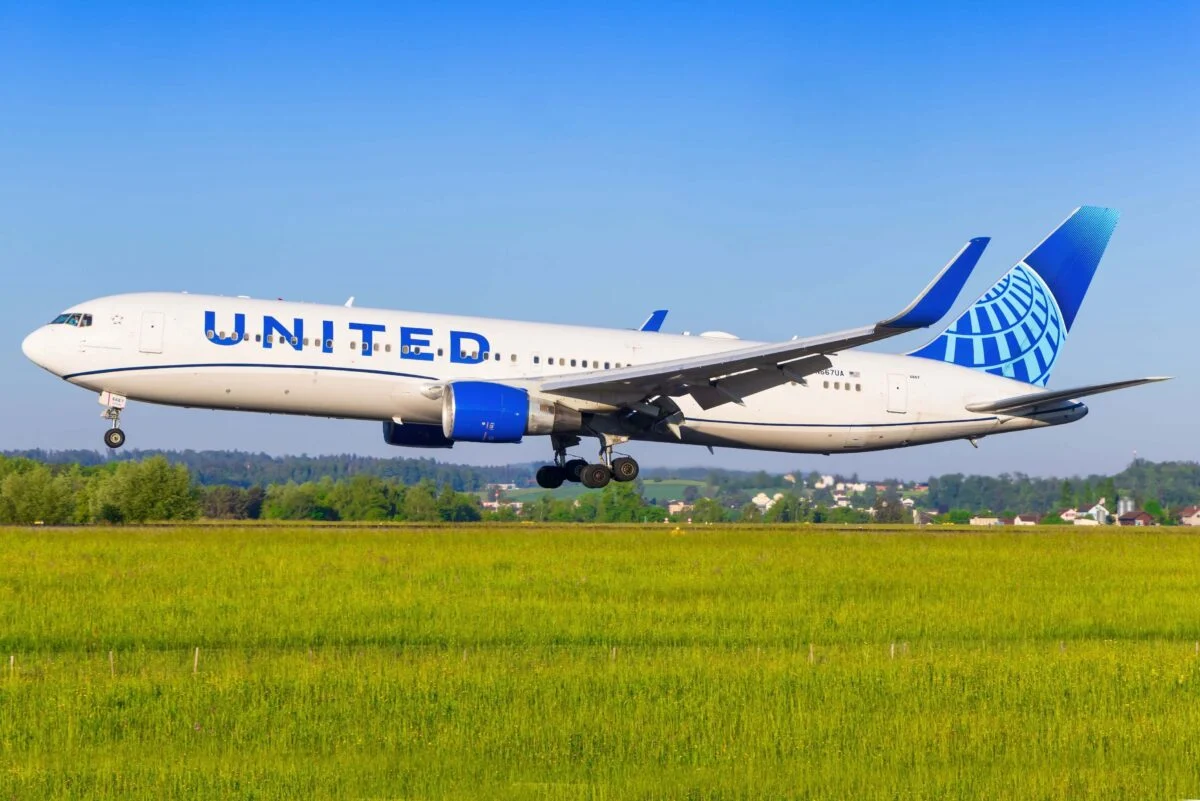
United recorded revenue of $59.1 billion throughout fiscal 2025, with net income reaching $3.4 billion and a net margin of 5.7%. The carrier maintains operations across more than 370 destinations spanning six continents and has prioritized international route expansion.
Delta maintains a debt-to-equity ratio of approximately 1.0x and produced $3.8 billion in free cash flow. United’s debt-to-equity ratio stands higher at 2.0x, with free cash flow generation of $2.6 billion.
Both carriers confront distinct operational challenges. Delta has identified technology infrastructure vulnerabilities following a 2024 IT disruption associated with CrowdStrike. United faces operational pressures stemming from air traffic control staffing constraints at critical hub locations including Newark and Chicago.
The IATA’s cautionary outlook will most significantly impact international carriers and budget airline operators. America’s dominant network airlines maintain superior positioning to transfer escalating fuel costs to consumers through fare adjustments.
Get 3 Free Stock Ebooks
Discover top-performing stocks in AI, Crypto, and Technology with expert analysis.
- Top 10 AI Stocks - Leading AI companies
- Top 10 Crypto Stocks - Blockchain leaders
- Top 10 Tech Stocks - Tech giants



