


Key Takeaways
- Morgan Stanley elevated YUM to Overweight with a price target increase to $185 from $180.
- Shares gained 2.3% to $150 on Wednesday after the analyst upgrade.
- Taco Bell delivered 10% system sales growth in Q1, while KFC achieved 6% gains.
- Pizza Hut showed no system sales growth in Q1 with operating profit declining 16%, leading Yum! to consider strategic options including divestiture.
- The company’s franchise-focused business model and technology platform Byte by Yum represent significant competitive strengths.
Shares of Yum! Brands climbed 2.3% to $150 on Wednesday after Morgan Stanley elevated the restaurant company to Overweight. The investment bank simultaneously boosted its price target to $185 from $180.
Brian Harbour, the analyst behind the call, contends that Wall Street is overlooking the company’s expansion potential, digital infrastructure investments, and possible benefits from restructuring Pizza Hut.
The timing follows an impressive first quarter where Yum reported revenue climbing 15% and earnings surging 72% — though shares had remained largely stagnant year-to-date until Wednesday’s move.
According to Harbour, Yum currently trades at approximately 21.5 times forward earnings, marking a discount to both its five-year historical average and pre-pandemic valuation levels. He believes this discount presents an opportunity for multiple expansion.

Taco Bell and KFC Power Strong Performance
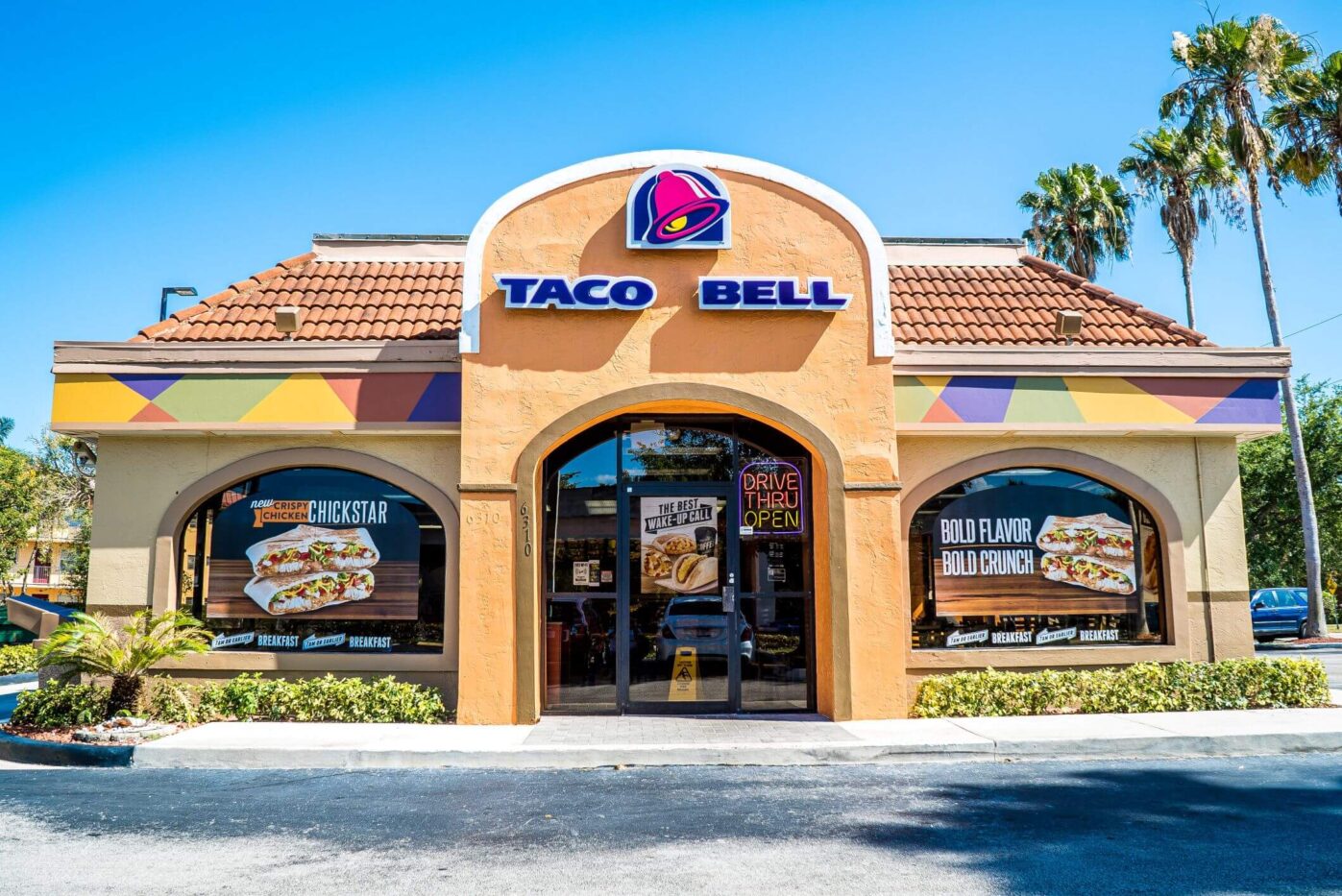
Taco Bell continues to shine as the portfolio’s star performer. First-quarter system sales jumped 10%, accompanied by a 16% surge in adjusted operating profit. Digital channels now represent nearly half of all Taco Bell transactions, a dramatic increase from approximately 30% just two years earlier.
KFC is demonstrating resilience as well. The fried chicken brand posted 6% system sales growth in Q1 with operating profit advancing 9%. Global expansion initiatives remain a primary growth engine for the KFC brand.
Harbour anticipates both chains will continue capturing market share as diners prioritize value-oriented options that still offer menu diversity. Taco Bell’s consistent innovation in menu development provides a particular advantage in this environment.
Pizza Hut Presents Ongoing Challenge
Pizza Hut tells a contrasting story. First-quarter system sales remained unchanged year-over-year while adjusted operating profit tumbled 16%.
The company is currently evaluating strategic alternatives for the struggling pizza chain, including the possibility of a sale. Harbour noted that divesting Pizza Hut could create near-term earnings headwinds.
However, he suggested that streamlining the portfolio around higher-growth brands might ultimately justify premium valuation multiples.
Food cost inflation is making a comeback, but Yum!’s asset-light franchise structure provides protection from direct cost pressures. Unlike restaurant operators managing their own locations, franchisors avoid bearing commodity and labor expenses directly.
The organization has also made substantial commitments to Byte by Yum, a comprehensive technology platform integrating digital ordering systems, customer loyalty programs, and AI capabilities. Harbour notes these technology investments are already yielding measurable results, especially within the Taco Bell business.
Morgan Stanley established its $185 price target by applying a 24.5 multiple to its 2027 earnings per share projection. The stock carries a GF Score of 91 out of 100, with both profitability and growth metrics earning 9 out of 10 ratings.
A potential red flag: company insiders have offloaded $1.9 million in shares over the past three months without any reported buying activity.
Get 3 Free Stock Ebooks
Discover top-performing stocks in AI, Crypto, and Technology with expert analysis.
- Top 10 AI Stocks - Leading AI companies
- Top 10 Crypto Stocks - Blockchain leaders
- Top 10 Tech Stocks - Tech giants



