


Key Highlights
- Samsung Electronics shares climbed 10.1% to an all-time closing high on Monday, June 1, 2026.
- Jensen Huang, CEO of Nvidia, is scheduled to travel to South Korea this week for meetings with Samsung, LG, and other technology leaders.
- The Korean tech giant started delivering samples of its advanced HBM4E (high-bandwidth memory) chips to clients, gaining ground on competitors.
- An imminent strike involving approximately 48,000 unionized employees was avoided after three-quarters of members voted to accept a new compensation package.
- LG Electronics reached its 29.9% daily trading limit for two consecutive sessions, while Naver climbed 16% on anticipated executive meetings with Huang.
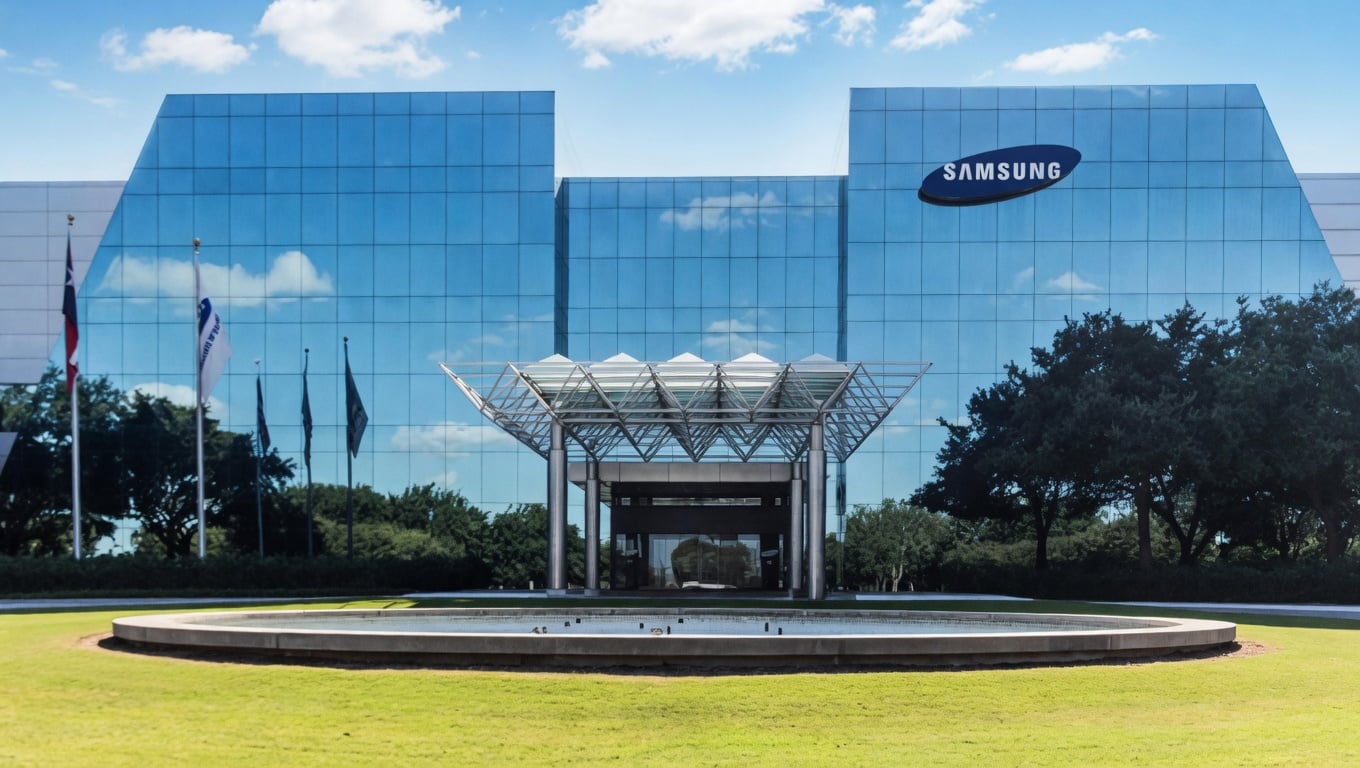
Shares of Samsung Electronics (005930) reached an unprecedented closing level on Monday, climbing 10.1% as three powerful market-moving developments coincided. The anticipated arrival of Nvidia’s CEO Jensen Huang in South Korea, a significant advancement in memory chip technology, and the resolution of potential labor disruptions combined to produce one of the company’s most impressive single-session rallies in recent memory.
Samsung Electronics Co., Ltd., SMSN.L
The rally elevated Samsung’s total market capitalization beyond the 2,000 trillion won threshold when including preferred shares — a symbolic achievement that highlights the transformative impact of artificial intelligence investment trends on the South Korean semiconductor manufacturer’s valuation.
Huang’s visit to Seoul is anticipated later this week, with confirmed meetings including LG Group Chairman Koo Kwang-mo and additional prominent Korean technology leaders. Nvidia is simultaneously organizing a “Korean Partner Night” event during the COMPUTEX conference in Taipei, which will feature attendance from both Samsung and SK Hynix leadership.
“Jensen’s visit to Korea has a major implication. Nvidia needs Korea,” said Jeff Kim, analyst at KB Securities.
This isn’t a standard diplomatic visit. Last year, Nvidia pledged to deliver over 260,000 of its cutting-edge AI processors to South Korea’s governmental agencies and major corporations, with Samsung and Hyundai Motor Group among the primary recipients.

Next-Generation Memory Breakthrough
On the semiconductor front, Samsung announced it has initiated shipments of what it claims are industry-leading 12-layer HBM4E samples to significant global partners. HBM4E represents the latest evolution in high-bandwidth memory technology — specialized chips that operate alongside sophisticated AI processors to deliver data at exceptional speeds.
This development carries substantial weight because Samsung has consistently lagged behind SK Hynix in the HBM market throughout the majority of the artificial intelligence surge. The HBM4E sample distribution provides investors with evidence suggesting this competitive disadvantage may be narrowing.
“Samsung has been valued at a discount to SK Hynix due to its weaker competitiveness in HBM, but the news appears to be supporting share price gains,” said BNK Investment & Securities analyst Lee Min-hee.
Nvidia’s latest generation processors require dependable HBM supplies to function optimally. While a CEO’s visit to a memory manufacturer doesn’t guarantee a commercial agreement, it signals to market participants where critical supply constraints exist.
Labor Dispute Resolved
Contributing to Monday’s positive momentum, Samsung successfully eliminated a significant labor uncertainty that had been creating investor hesitation. Approximately 48,000 union members ratified a new compensation and benefits agreement, preventing a scheduled 18-day work stoppage. The approval came with roughly 74% member support.
The agreement incorporates a profit-sharing bonus framework, allocating 10.5% of semiconductor division operating profits toward special compensation for chip manufacturing employees.
For market participants, the primary concern centered less on workplace relations and more on production continuity. Samsung’s semiconductor manufacturing facilities represent critical nodes in global memory supply chains, and any operational interruption would have materialized at a particularly inopportune moment.
A judicial decision had previously mitigated risks of complete production cessation by mandating minimum staffing levels at certain facilities during any potential labor action. The formal ratification eliminated this remaining uncertainty.
The optimistic sentiment rippled throughout South Korea’s technology sector. LG Electronics reached its maximum daily price increase of 29.9% for the second consecutive trading session, also achieving a record high. Naver advanced 16% following confirmation that senior executives would meet with Huang on Friday.
South Korea’s semiconductor shipments abroad reached a record level in May, contributing to the nation’s overall export growth registering its largest increase in more than four decades.
Get 3 Free Stock Ebooks
Discover top-performing stocks in AI, Crypto, and Technology with expert analysis.
- Top 10 AI Stocks - Leading AI companies
- Top 10 Crypto Stocks - Blockchain leaders
- Top 10 Tech Stocks - Tech giants



