


Quick Summary
- Q1 FY27 results arrive May 21, with Wall Street forecasting $0.66 per share and approximately $174.8B in revenue
- Buy ratings dominate analyst coverage at 28 out of 30, with price targets spanning $132–$150
- Recent target increases include Piper Sandler at $137, Bernstein at $145, and UBS maintaining $147
- Projected U.S. comparable store sales increase of 3.9%–4.5%, fueled by online channels and grocery demand
- Consumer sentiment has dropped to 1952 lows, while elevated fuel prices present ongoing challenges
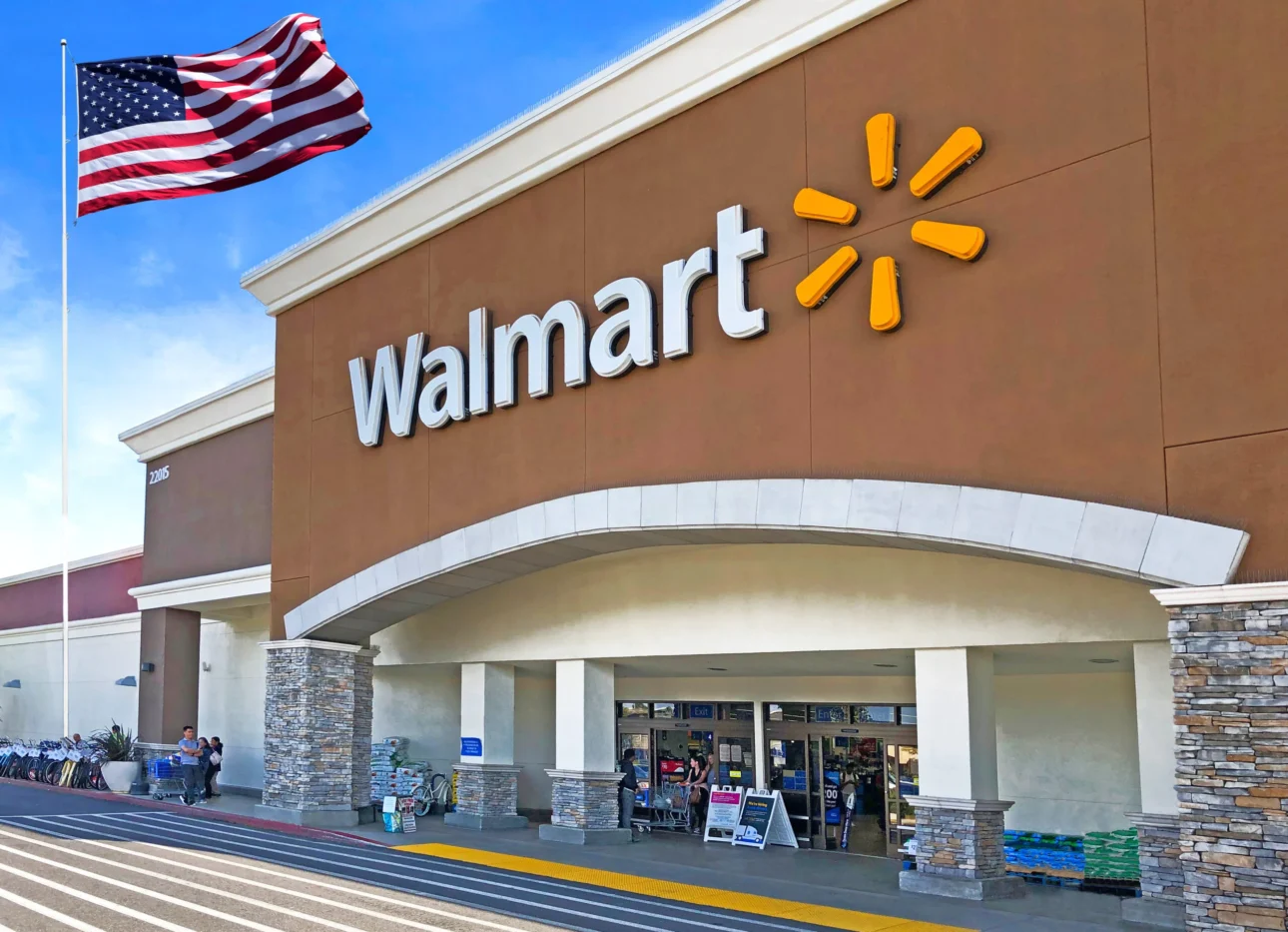
Shares of Walmart have climbed approximately 18% year-to-date, trading near $131 as of May 17. The company approaches Thursday’s quarterly report backed by widespread analyst optimism, though certain macroeconomic pressures remain on the radar.
Analyst sentiment leans decidedly positive. Among 30 firms tracking the retailer, 28 maintain Buy recommendations. The mean price objective stands at approximately $136.45, suggesting moderate appreciation potential from present levels. Peter Keith at Piper Sandler increased his forecast to $137 from $130 while maintaining an Overweight stance. His analysis indicates consumer outlays have remained stable despite climbing gas prices, though tax refund season failed to trigger significant retail momentum — many families opted to bank the funds instead of shopping.
Zhihan Ma from Bernstein elevated his projection to $145 from $134. His research suggests retailers catering to affluent demographics could see tailwinds from the “One Big Beautiful Bill Act,” though he cautioned that energy expenses, inflationary pressures, and diminished government assistance could still dampen broader consumer activity.
Michael Lasser at UBS maintained his Buy stance with a $147 objective. His model anticipates U.S. comparable sales expansion around 4.5%, propelled by e-commerce volume surging more than 25%. While he identified softer performance in health and wellness categories as a potential offset, he projects Walmart’s domestic operations will achieve profit expansion near the upper boundary of internal projections.

Earnings Expectations Breakdown
Consensus forecasts point to Q1 earnings per share of $0.66, representing roughly 8% annual growth. Top-line figures are anticipated around $174.8B, marking over 6% expansion. For context, the prior quarter (Q4 FY2025) delivered $190.7B in sales and $0.74 per share — both surpassing predictions — though bottom-line profit declined approximately 19% following a non-recurring Vizio-related charge and elevated distribution expenses.
This reporting period, comparable store sales performance will draw particular scrutiny. Projections call for U.S. same-store sales growth between 3.9%–4.5%, supported by food category strength and affluent shoppers shifting to value retailers. Grocery operations account for roughly two-thirds of Walmart’s domestic revenue stream, providing defensive characteristics when discretionary purchases weaken.
Market participants will also parse commentary from CEO John Furner, who assumed leadership on February 1. This marks his inaugural complete quarter at the helm. Expectations center on straightforward guidance emphasizing competitive positioning and realistic second-half consumption outlooks.
High-Margin Businesses Draw Attention
The company’s advertising platform and membership program have emerged as increasingly important revenue drivers. Global advertising income expanded 37% in the previous quarter, with Walmart Connect posting 41% gains. Walmart+ subscription revenue advanced 15.1%. These segments generate operating margins exceeding 70%, dramatically outperforming conventional retail operations.
Investors seek confirmation that global advertising growth can sustain above 30% this period. Such performance would help cushion any weakness in discretionary merchandise sales.
Barclays reaffirmed its Buy recommendation at $132. BofA Securities maintained its Buy rating with a $150 target, highlighting resilient core customer behavior and expectations that economic uncertainty will drive additional traffic toward discount-oriented retailers. Wolfe Research boosted its target from $135 to $137.
The stock currently trades at a price-to-earnings multiple around 48x, considerably elevated versus its five-year historical average of 36x.
Get 3 Free Stock Ebooks
Discover top-performing stocks in AI, Crypto, and Technology with expert analysis.
- Top 10 AI Stocks - Leading AI companies
- Top 10 Crypto Stocks - Blockchain leaders
- Top 10 Tech Stocks - Tech giants



