


Key Takeaways
Federal authorities confiscated approximately $500 million in cryptocurrency connected to Iranian entities through enforcement operations.
Scott Bessent, serving as Treasury Secretary, disclosed the seizure details during a Fox Business network appearance.
The government broadened Operation Economic Fury’s scope to include foreign bank holdings and assets controlled by Iranian government representatives.
OFAC imposed penalties on numerous cryptocurrency addresses associated with Tehran’s monetary infrastructure.
Following federal agency directives, Tether immobilized more than $344 million worth of USDT tokens.
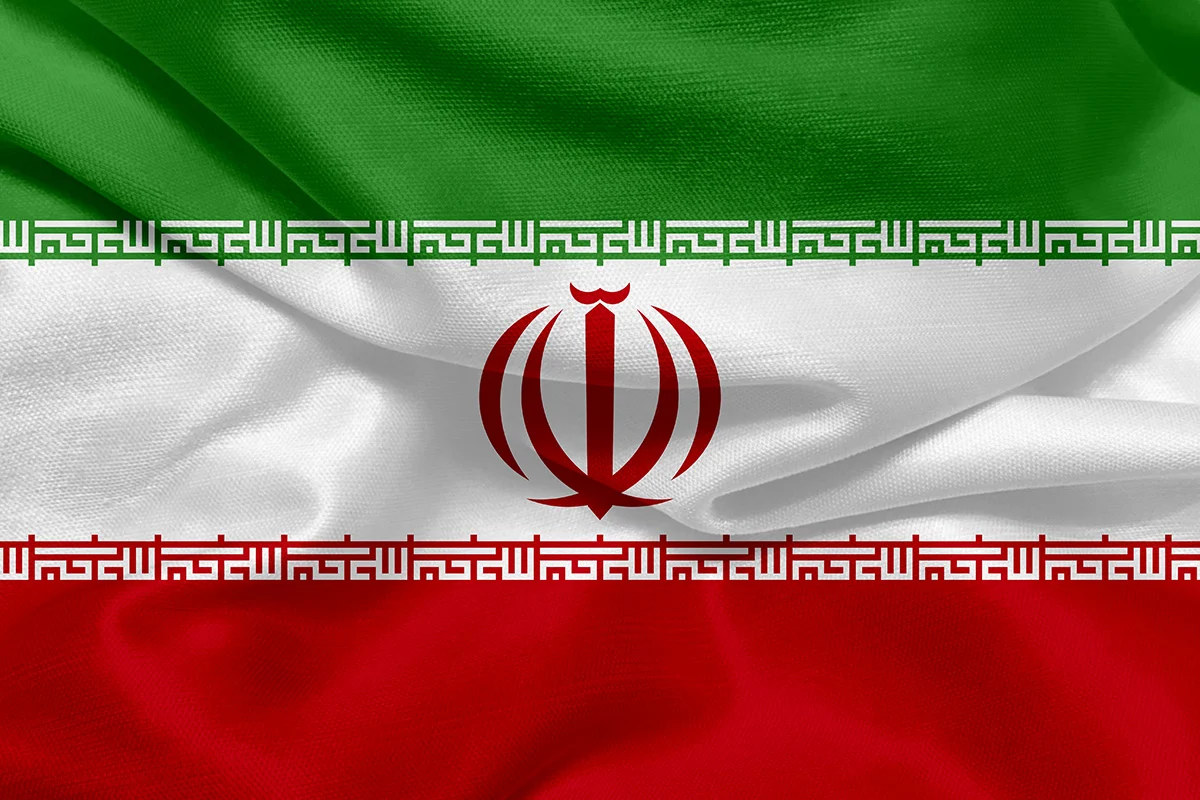
Federal enforcement agencies have confiscated approximately $500 million connected to Iranian interests through digital currency holdings and coordinated legal measures. Treasury Secretary Scott Bessent disclosed this amount during a Wednesday television interview. The initiative pursues monetary systems associated with Tehran using sanctions and asset freezing mechanisms.
Federal Agencies Pursue Digital Currency Holdings Connected to Iranian Entities
During his Fox Business segment, Bessent described Operation Economic Fury’s comprehensive reach. The initiative launched in March 2025 following directives from President Donald Trump. He remarked, “We are freezing bank accounts everywhere, and we are discouraging dealings with the regime.”
The Treasury Secretary explained that enforcement teams have pursued international property holdings and pension accounts belonging to Iranian government representatives. Officials concentrate efforts on restricting financial pathways available to Tehran’s administration. These actions seek to constrain Iran’s capacity for global monetary transactions.
According to Treasury Department statements, previous announcements documented $344 million in confiscated digital assets. The revised total approaches $500 million after authorities broadened their enforcement sweep. Bessent verified that investigators located additional cryptocurrency addresses linked to Iranian monetary systems.
The Office of Foreign Assets Control imposed restrictions on several crypto wallets associated with Iran. Tether, the stablecoin provider, verified freezing over $344 million in USDt tokens. The blockchain company responded to directives from federal authorities during this enforcement phase.
Penalties Reach Banking Institutions, Maritime Operations, and Military Procurement Routes
Federal officials intensified enforcement by pursuing Iran’s monetary and commercial infrastructure through synchronized penalty measures. On Tuesday, regulators sanctioned 35 people and organizations connected to an underground banking operation. These actions concentrated on blocking access to international currency and financial services.

In a separate move, Treasury officials targeted a Chinese refining facility allegedly handling Iranian petroleum shipments. Regulators also penalized approximately 40 maritime companies associated with Iran’s covert fleet activities. These commercial vessels purportedly deliver crude oil to purchasers throughout China and additional markets.
Bessent indicated the initiative has impacted Iran’s internal economy and monetary strength. He noted that a major Iranian banking institution failed in December. The Treasury Secretary mentioned the national currency depreciated by 60% to 70% relative to the US dollar.
Federal agencies also pursued Iran’s armament supply channels through coordinated penalties. Officials sanctioned 14 people and entities involved in acquiring missile and drone components. These restrictions covered materials utilized for Shahed drone production and ballistic propulsion systems.
Beginning in February 2025, regulators have penalized more than 1,000 Iran-associated individuals, maritime vessels, and aircraft. These measures constitute Operation Economic Fury’s wider enforcement framework. Authorities persistently broaden restrictions across industries connected to Iranian international operations.
Intelligence reports suggested Iran contemplated imposing Bitcoin-based fees on commercial vessels transiting the Strait of Hormuz. Sources indicated unladen tankers would travel without charge, while cargo-carrying ships would incur payments. Authorities have yet to publicly validate these assertions regarding cryptocurrency toll collection.
A maritime security consultancy issued alerts about fraudulent parties masquerading as Iranian officials in vessel communications. These imposters requested Bitcoin or USDt payments from ship operators pursuing transit authorization. The advisories emerged following increased reports of deceptive schemes affecting regional maritime traffic.
Get 3 Free Stock Ebooks
Discover top-performing stocks in AI, Crypto, and Technology with expert analysis.
- Top 10 AI Stocks - Leading AI companies
- Top 10 Crypto Stocks - Blockchain leaders
- Top 10 Tech Stocks - Tech giants



