



Quick Summary
- Nvidia delivered Q4 revenue of $68.1B, a 73% year-over-year surge, with Wall Street setting a consensus price target of $267.55
- Analysts give Microsoft a “Moderate Buy” rating with a mean price target of $583.21 based on coverage from 34 professionals
- Alphabet receives 61 Buy or Strong Buy recommendations from Wall Street with no Sell ratings
- KeyBanc increased its Alphabet target from $370 to $380, highlighting Google Cloud’s underappreciated expansion
- UBS lowered its Microsoft target from $600 to $510, flagging potential margin compression from aggressive AI infrastructure investments
Artificial intelligence has evolved from a specialized technology sector into a fundamental driver of global economic transformation. Its applications now span enterprise software, cloud infrastructure, healthcare systems, financial services, and defense technology, creating an innovation cycle that demands investor attention.
Consequently, AI-focused equities have captured significant market interest. Tech giants are allocating hundreds of billions toward expanding their AI capabilities, while emerging companies specializing in data infrastructure, chip design, and machine learning platforms are gaining traction. This blend of market incumbents and innovative upstarts presents diverse investment pathways.
This analysis examines the leading AI stocks heading into 2026, with particular emphasis on current Wall Street analyst perspectives—highlighting where financial data, industry momentum, and professional sentiment converge.
Nvidia: Dominant Force in AI Computing Hardware
Nvidia stands as the undisputed leader in AI processors and data center infrastructure. The company’s latest fiscal Q4 results showed revenue reaching $68.1 billion, representing a 73% increase year-over-year. Its data center segment generated $62.3 billion, climbing 75%.
Wall Street sentiment remains overwhelmingly positive. According to Public.com tracking data, 38 analysts maintain coverage with a consensus Buy recommendation and a mean 2026 price objective of $267.55.
Oppenheimer’s Rick Schafer designated Nvidia as a top selection with an Outperform rating and $265 target. His thesis emphasizes Nvidia’s Blackwell Ultra GB300 NVL rack architecture and the company’s competitive positioning in both AI training and inference workloads.

The primary skepticism involves valuation metrics. Nvidia already commands premium pricing as the presumed AI infrastructure winner. Nevertheless, Oppenheimer highlighted that shares traded at approximately 17 times estimated 2027 earnings, below the semiconductor industry average of 20 times.
Microsoft: Comprehensive Enterprise AI Integration
Microsoft deploys AI across Azure cloud services, its OpenAI partnership, Copilot assistants, GitHub development tools, and productivity applications. Unlike Nvidia’s hardware focus, Microsoft generates revenue from cloud consumption, software licensing, and automation platforms.
Analyst consensus leans decidedly bullish. StockAnalysis.com indicates a “Strong Buy” rating among 34 analysts, with a mean price objective of $583.21. MarketBeat tracking reveals 38 Buy recommendations against just five Hold ratings.
UBS analyst Karl Keirstead maintained his Buy stance while reducing his price target from $600 to $510. His revised outlook reflects concerns about short-term margin compression stemming from substantial AI infrastructure capital expenditures.
The central investment question centers on whether Microsoft’s data center buildout and AI model investments will translate into margin expansion. While customer demand remains robust, investors seek concrete evidence of profitability at enterprise scale.
Alphabet: Most Complex AI Investment Thesis
Alphabet presents the most nuanced AI narrative among these three companies. Its ecosystem encompasses Google Search, Gemini AI models, Google Cloud Platform, YouTube, Android operating system, and proprietary TPU processors. AI represents simultaneously a growth catalyst and a potential disruptor to traditional search advertising revenue.
Wall Street maintains predominantly positive views. MarketBeat data shows 44 Buy ratings and three Strong Buy ratings, with a consensus target around $366.92. Notably, zero Sell recommendations appear across all 61 analyst opinions.
KeyBanc’s Justin Patterson sustained an Overweight rating while lifting his price target from $370 to $380. Mizuho elevated its target to $420 with an Outperform designation.
Both research firms contend that markets undervalue Google Cloud’s growth trajectory. The bearish perspective focuses on Alphabet’s aggressive AI spending potentially pressuring search business margins.
Wall Street currently maintains Buy-equivalent ratings across all three companies, with no prominent sell-side firms advising investors to exit these positions.
Final Thoughts
These three equities carry substantial analyst support as 2026 progresses. Nvidia demonstrates the strongest growth metrics, Microsoft offers the broadest enterprise distribution, and Alphabet shows accelerating cloud platform momentum. Current Wall Street consensus identifies no compelling reason to divest from any of these positions.
Report: The AI Stocks We Didn’t Include in This Article
We actually looked at far more AI companies than the ones included in this article.
The three mentioned here are just a small sample — several others stood out just as much, and in some cases even more, based on trend, growth, and overall market strength.
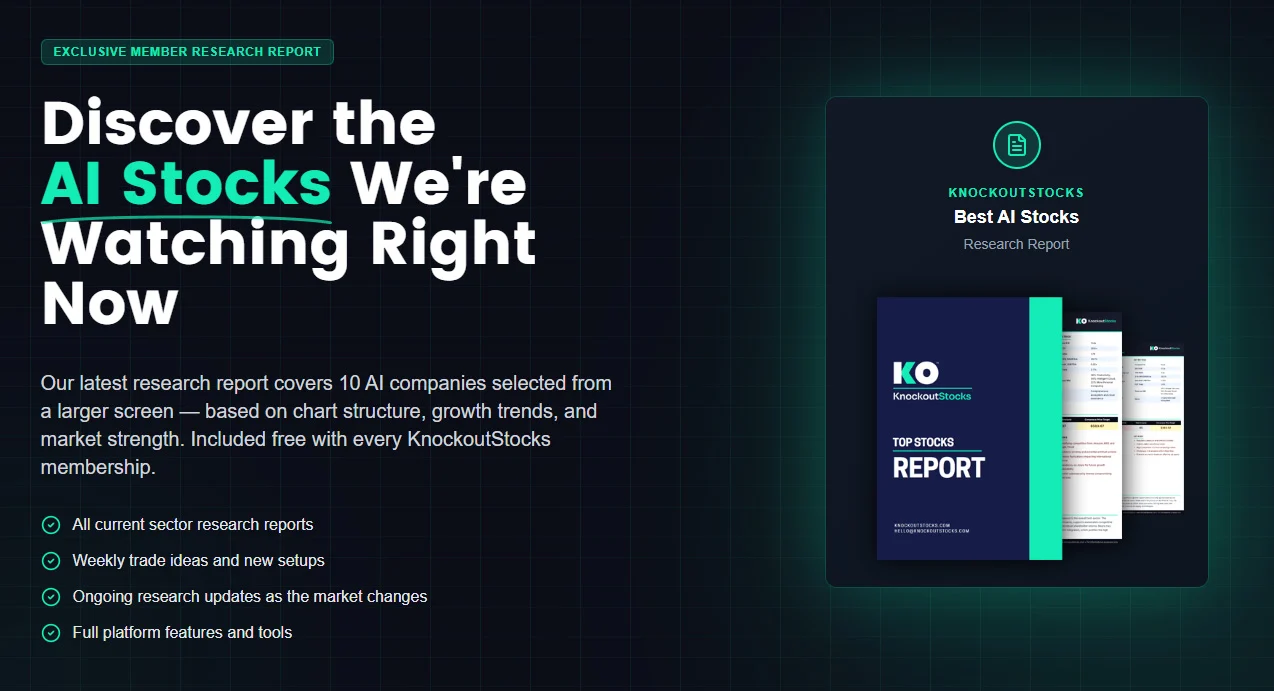
A few of these are not widely covered yet, which is exactly why they caught our attention during the screening process. Instead of publishing everything publicly, we put together a separate report covering 10 AI stocks that currently look high-potential based on our internal rankings and latest research.
This is the same list we’re actively watching, with charts, key levels, and notes on each company.
👉 If you want to see the full list before it becomes more widely discussed, you can access the AI Stocks report here
Get 3 Free Stock Ebooks
Discover top-performing stocks in AI, Crypto, and Technology with expert analysis.
- Top 10 AI Stocks - Leading AI companies
- Top 10 Crypto Stocks - Blockchain leaders
- Top 10 Tech Stocks - Tech giants



