


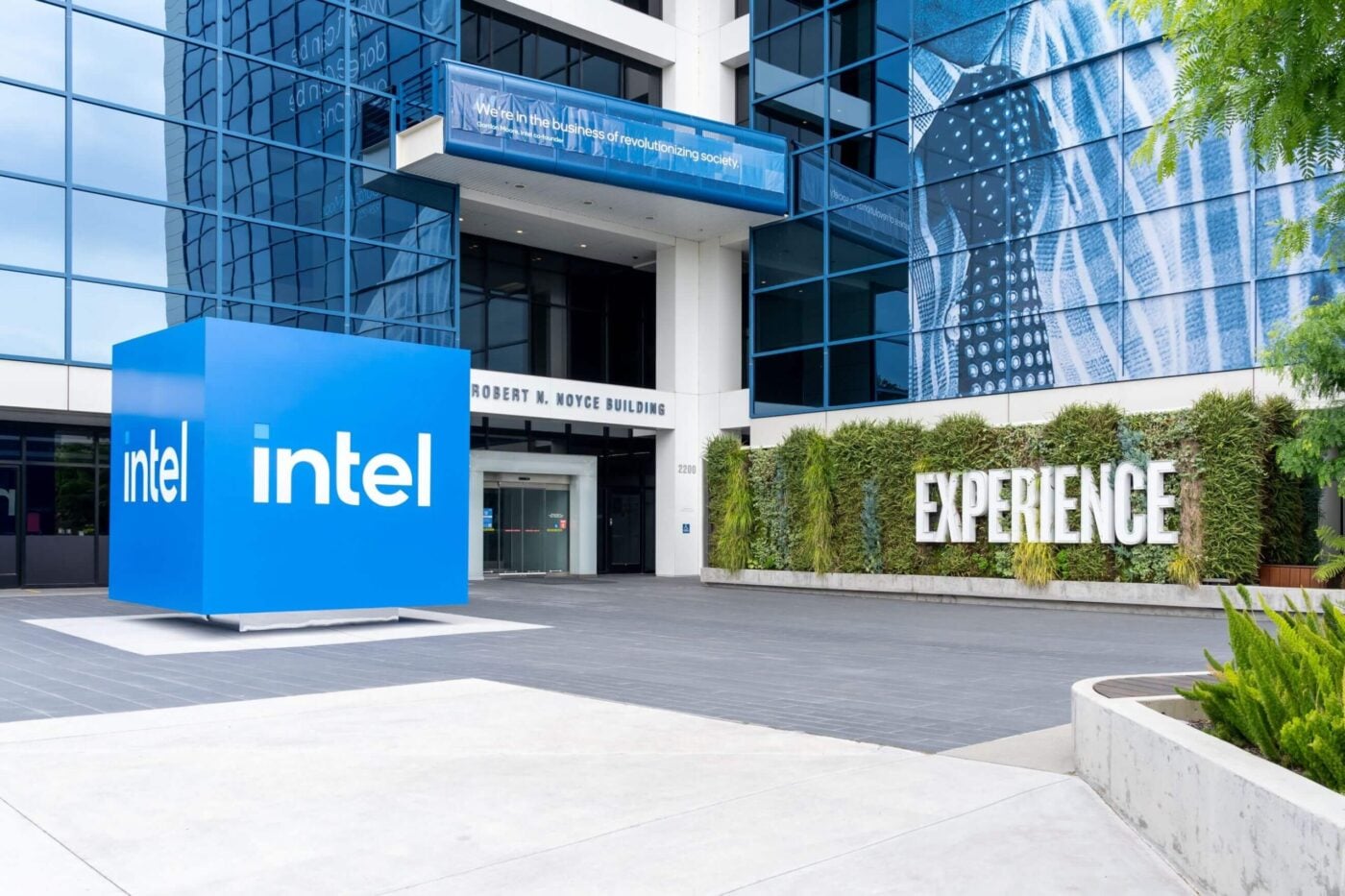
Key Highlights
- Intel shares have rocketed 220% higher in the trailing 12-month period, reaching a 25-year peak of $70.32
- CEO Lip-Bu Tan eliminated more than 20,000 positions and restored positive free cash flow during H2 2025
- Nvidia committed $5 billion to Intel’s foundry business; partnerships include Alphabet and Elon Musk’s Terafab initiative
- First quarter 2026 financial results arrive April 23 — elevated expectations could trigger increased volatility
- One Wall Street analyst projects a potential climb to $150 per share by 2029 driven by margin expansion and profit growth
Intel’s performance represents one of the most striking corporate comebacks in recent history. After plunging to multi-year lows beneath $18 in June 2025, shares have climbed to $70.32—a peak not witnessed in 25 years. During one particularly intense stretch, the stock jumped 58% across just nine trading sessions. This explosive rally has many investors questioning whether the opportunity has already passed—or if upside potential remains.
The transformation narrative revolves predominantly around Lip-Bu Tan, who assumed the CEO position in March 2025. A veteran venture capitalist and corporate restructuring expert, Tan previously engineered a remarkable 3,200% stock appreciation at Cadence Design Systems during his 12-year tenure. Upon joining Intel, he wasted no time implementing sweeping changes. He slashed more than 20,000 positions from the payroll and dramatically reduced capital expenditures. Free cash flow, which had hemorrhaged a cumulative $44 billion from 2022 through 2025, finally flipped positive during the latter half of last year.
Intel’s product portfolio has gained significant momentum as well. The chipmaker recently unveiled its Core Series 3 mobile processors manufactured on the advanced 18A node, designed specifically for mainstream artificial intelligence workloads and enhanced battery performance in consumer laptops.
Strategic AI Collaborations Mark New Direction
Intel’s strategy extends beyond mere cost reduction—the company is aggressively pursuing AI market opportunities. The semiconductor giant is collaborating with Alphabet on artificial intelligence and cloud computing infrastructure. Additionally, it’s partnering with Elon Musk on “Terafab,” a semiconductor manufacturing joint venture bridging SpaceX and Tesla.

The Nvidia relationship stands out particularly. Last September, Nvidia poured $5 billion into Intel to manufacture customized x86 server processors that seamlessly interface with Nvidia’s GPU ecosystem. Ben Reitzes, analyst at Melius Research, characterized the development succinctly: “The demand for the x86 server CPU has gone through the roof at hyperscalers. The x86 became an AI chip.”
This represents a fundamental recalibration in how investors perceive Intel’s position within AI infrastructure.
Nevertheless, the rapid ascent has stretched valuation metrics to concerning levels. Intel currently commands approximately 95 times projected earnings—exceeding multiples for Nvidia, Taiwan Semiconductor, Broadcom, and AMD. Gross profit margins hover below 40%, contrasting sharply with Taiwan Semiconductor’s 55% and Nvidia’s 75%.
Production Efficiency Presents Ongoing Challenge
A significant portion of the margin differential stems from manufacturing capabilities. Intel presently outsources roughly 30% of wafer production to Taiwan Semiconductor while simultaneously expanding internal fabrication capacity. Manufacturing yields on its newest process technology stand at approximately 70%, compared to Taiwan Semiconductor’s 90%.
Should these yield rates improve as the process matures, profitability margins should correspondingly strengthen. Analyst Reitzes forecasts Intel could generate $7 in earnings per share by 2029. Applying a standard semiconductor sector valuation of 22 times forward earnings produces a theoretical price target of $150.
Wall Street analysts maintain a guarded stance. Merely one in five analysts tracking Intel maintains a Buy recommendation, significantly trailing the S&P 500 average of 55%. The consensus price objective stands at $51.25—substantially beneath current trading levels.
Institutional money managers are discreetly building positions. ZEGA Investments initiated a fresh holding during Q4. Executive Vice President David Zinsner purchased nearly $250,000 in company stock during January.
Intel is scheduled to release Q1 2026 earnings results on April 23.
Get 3 Free Stock Ebooks
Discover top-performing stocks in AI, Crypto, and Technology with expert analysis.
- Top 10 AI Stocks - Leading AI companies
- Top 10 Crypto Stocks - Blockchain leaders
- Top 10 Tech Stocks - Tech giants



