


Key Takeaways
- North Carolina Sen. Thom Tillis will publish revised stablecoin reward provisions within days to address ongoing congressional deadlock.
- Collaborative efforts between Tillis and Maryland Sen. Angela Alsobrooks have produced consensus language for the legislative measure.
- Congressional delays have prevented Banking Committee advancement of the Clarity Act since early 2026 due to reward payment concerns.
- Proposed framework prohibits passive income generation while permitting transaction-linked incentive programs.
- Federal regulators including the SEC, CFTC, and Treasury receive a one-year mandate to establish detailed reward guidelines.
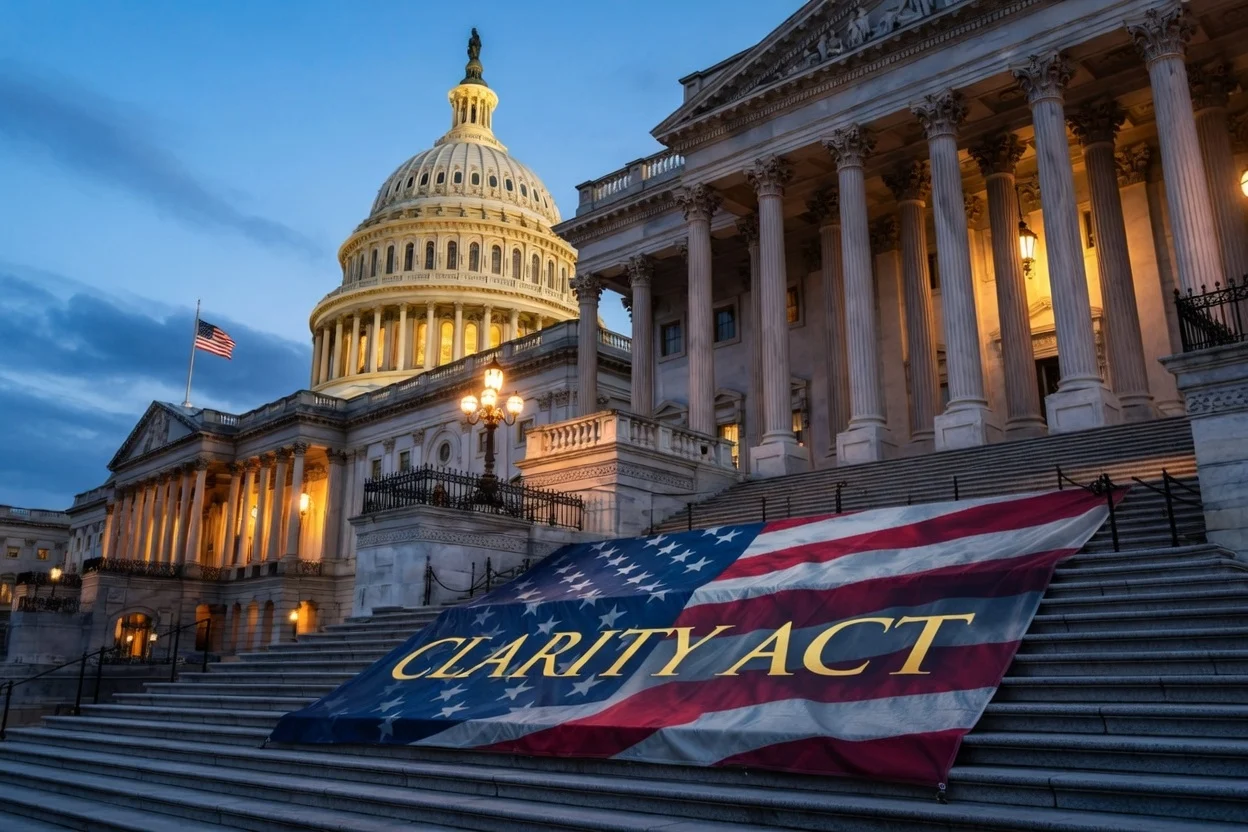
North Carolina Sen. Thom Tillis is preparing to unveil new legislative text addressing contentious stablecoin reward provisions this week. His collaborative work with Maryland Sen. Angela Alsobrooks has produced updated language for the Digital Asset Market Clarity Act. The initiative aims to resolve the impasse that has prevented Senate Banking Committee progress since the beginning of 2026.
Congressional Negotiations Target Stablecoin Reward Parameters
The Republican senator from North Carolina has engaged in extensive discussions with his Democratic colleague from Maryland regarding updated bill provisions. Their joint objective centers on resolving conflicts surrounding compensation mechanisms for digital dollar holders. The Banking Committee has postponed voting on this legislation throughout early 2026.
Dollar-pegged digital currencies including USDT and USDC serve critical functions in cryptocurrency trading and settlement activities. The stablecoin market maintains approximately $321 billion in aggregate valuation. Congressional deliberations have concentrated on appropriate methods for compensating holders of idle token balances.
The GENIUS Act enacted in 2025 prohibits direct yield payments from stablecoin creators. The current controversy focuses on intermediary platforms such as Coinbase and similar trading venues. These companies seek authorization to provide incentives connected to user engagement.
Speaking to Politico, Tillis expressed optimism: “I think the language has come together well.” He continued, “If things proceed the way they are now, we’ll probably release the text publicly later this week.” The senator indicated willingness to consider additional modifications.
Industry stakeholders received access to confidential draft language during early April. The proposal forbids passive compensation awarded merely for token custody. Conversely, it authorizes engagement-linked rewards connected to payment activity or transaction volume.
The framework assigns regulatory responsibility to the SEC, CFTC, and Treasury Department for establishing permissible incentive models. These agencies must develop enforcement mechanisms to prevent circumvention within twelve months following legislative approval. Congressional members continue refining specific criteria for qualifying user activities.

Financial Industry Stakeholders Diverge on Reward Policy
Traditional banking associations contend that stablecoin compensation mechanisms threaten deposit stability. Their position emphasizes concerns about capital migration away from conventional savings products. These organizations assert that cryptocurrency platforms would deliver banking-style services while avoiding comparable regulatory scrutiny.
Digital asset companies dispute these assertions and characterize proposed limitations as anticompetitive. Coinbase rescinded its endorsement of previous legislative versions following restrictive yield language. The platform has advocated for permission to offer user engagement incentives.
Banking sector representatives have communicated renewed objections regarding the current proposal. These groups have yet to publish comprehensive explanations of their opposition. Legislators continue evaluating competing perspectives before scheduling committee consideration.
The Senate reconvened following Easter recess on April 13. Banking Committee Chairman Tim Scott has indicated plans for markup proceedings during late April. The committee has yet to establish a definitive calendar date.
Additional policy questions persist within the comprehensive legislation. Ongoing discussions address decentralized finance frameworks and ethics standards for federal employees. Lawmakers have explored incorporating provisions addressing community banking regulatory relief.
Delays extending beyond May could push the measure past 2026 midterm election cycles. Polymarket prediction contracts currently price passage probability at 59% for this calendar year. This assessment represents a decline from previous readings exceeding 82% during earlier 2026 periods.
Get 3 Free Stock Ebooks
Discover top-performing stocks in AI, Crypto, and Technology with expert analysis.
- Top 10 AI Stocks - Leading AI companies
- Top 10 Crypto Stocks - Blockchain leaders
- Top 10 Tech Stocks - Tech giants



