


TLDR
- Hoskinson questioned a 14 million ADA treasury request tied to events in Singapore.
- He said 5 to 6 global offices could run for a year at similar cost.
- He pointed to the Buenos Aires office model with events and venture support.
- He said permanent hubs could bring new users into Cardano more effectively.
- Community replies focused on utility, project funding, and real business adoption.
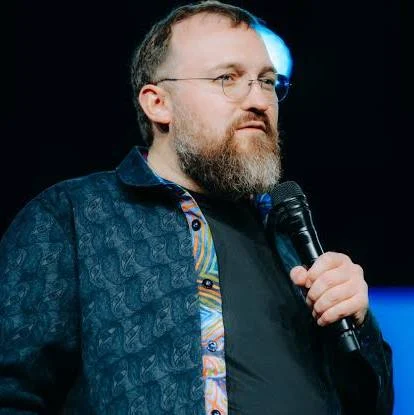
No more parties may be the new message from Cardano founder Charles Hoskinson. He challenged a proposal to spend 14 million ADA from the treasury on major events. Instead, he suggested funding global Cardano hubs to support long-term ecosystem growth and help ADA attract broader interest.
Hoskinson questions 14M ADA treasury request
Charles Hoskinson opened the debate after criticism grew around treasury requests linked to the Cardano Summit and Token2049 in Singapore. The proposed spending totals 14 million ADA, or about $3.3 million based on the report. The discussion quickly spread across the Cardano community.
In a public post on April 11, Hoskinson said the funds could be better used elsewhere. He wrote that a network of offices could operate like Cardano’s Buenos Aires office. He described a model with biweekly events, hackathons, community meetups, and venture incubation.
Hoskinson argued that one-time event spending may not create lasting results. He drew a clear line between short-term visibility and ongoing local activity. That became the center of the debate.
He also tied the issue to ADA’s weak price action. He said “parties” would not support the price over time. His view was that steady infrastructure could do more for adoption.
Global hubs become the main alternative
Hoskinson said the same budget could support five or six offices for a year. In his view, these hubs would create regular local engagement. They would also help show that Cardano is active in many markets.

He later added that Cardano needs to bring in new people. He said it also needs to show markets that the network is “still alive and thriving.” He argued that permanent community hubs with weekly events can do that better than conference appearances.
The proposal reflects a wider shift in focus. Instead of short visits to major events, Hoskinson is pushing for local bases with ongoing activity. That includes startup support, community building, and business connections.
This approach also links to the article’s main angle. “No More Parties?” is not only about event spending. It is about replacing temporary exposure with physical infrastructure aimed at long-term ADA growth.
Community debate turns to utility and funding priorities
Community replies showed that the dispute is broader than events alone. Some users agreed that physical spaces matter. Others said Cardano still needs stronger everyday utility to attract average users.
One reply said crypto loses attention when its main use fits traders and gamblers. Another said the network should support teams that already built useful products. These comments shifted the conversation toward results and execution.
Some users also called for more support for business adoption. One post pointed to projects building on Cardano and asked for stronger alignment behind them. Others said real companies using Cardano and Midnight could help drive wider interest.
The debate now centers on how treasury funds should be used. Hoskinson’s position is clear from his own words. He believes “going to parties” is less effective than building permanent hubs that host regular activity and support new ventures.
Get 3 Free Stock Ebooks
Discover top-performing stocks in AI, Crypto, and Technology with expert analysis.
- Top 10 AI Stocks - Leading AI companies
- Top 10 Crypto Stocks - Blockchain leaders
- Top 10 Tech Stocks - Tech giants



