


Key Highlights
- All cryptocurrency exchanges must process transactions through digital payment methods only.
- Licensing requirements will apply to all crypto platform operators.
- Bitcoin (BTC), Ethereum (ETH), and Tether (USDT) receive initial approval for trading.
- Using crypto for purchasing goods and services remains forbidden.
- Legislative implementation deadline set for July 1, 2026.
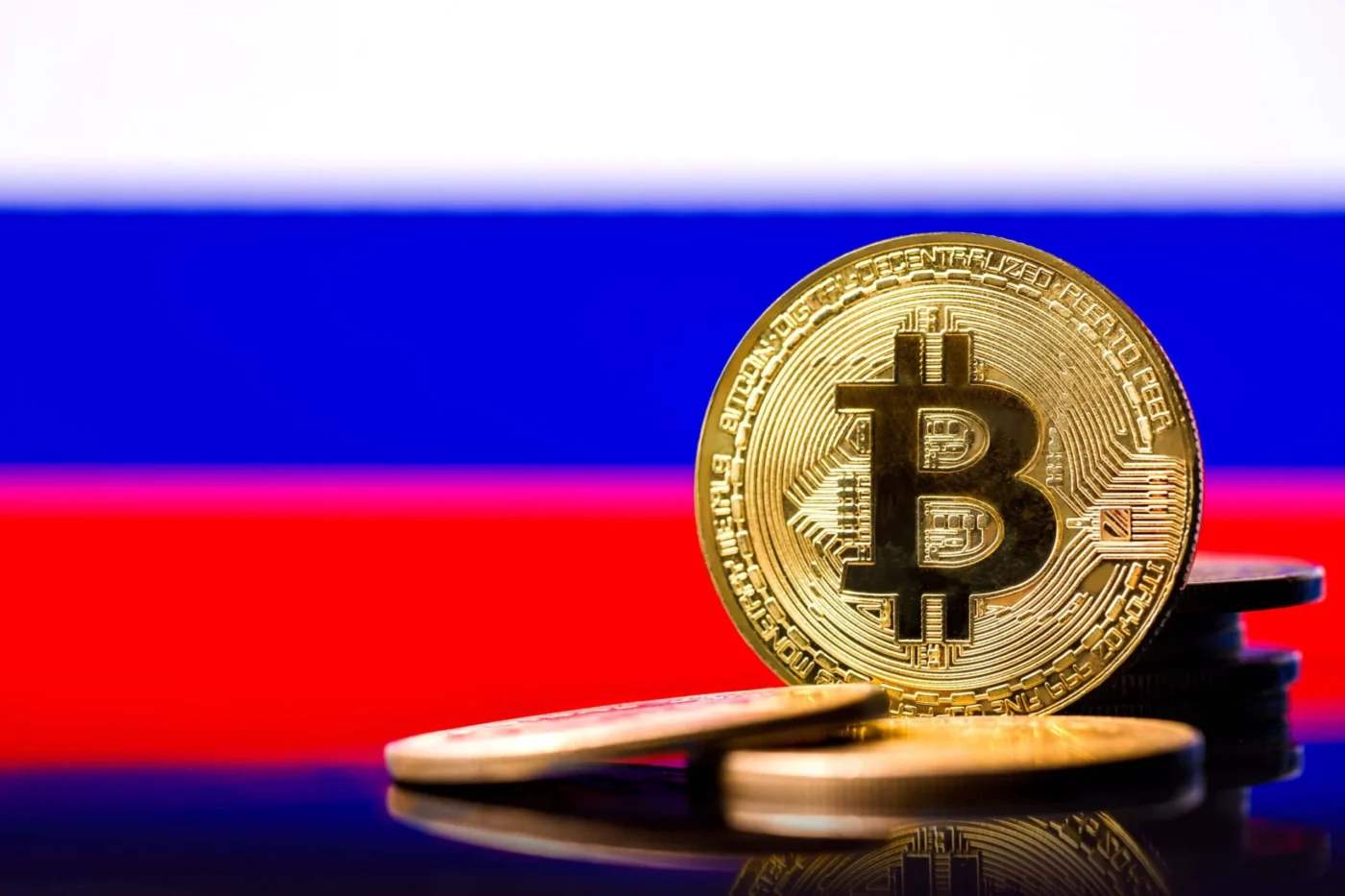
Russian financial regulators have announced comprehensive restrictions eliminating physical currency involvement in cryptocurrency transactions. The Central Bank has established that digital payment methods will be the exclusive channel for all crypto-related exchanges. The legislative framework targets implementation by July 1, 2026, as government officials strengthen control over virtual asset movement.
Digital Payment Mandate for Cryptocurrency Trading
The Central Bank of Russia has determined that cryptocurrency exchange platforms must exclusively utilize digital transaction methods. Vladimir Chistyukhin, serving as First Deputy Chairman, announced this requirement during his appearance on RBC Radio. He emphasized that enhanced monitoring capabilities drive this regulatory approach to digital financial activities.
Chistyukhin clarified that exchanging virtual currencies for physical cash will face complete prohibition in Russia. He drew parallels to established securities market practices where transparency remains paramount. The draft regulations have reached the State Duma as components of an extensive regulatory initiative.
The proposed legislation carries the formal title “On Digital Currency and Digital Rights” and addresses nationwide crypto operations. Joint development between the Central Bank and Ministry of Finance produced this comprehensive framework. The plan encompasses building domestic infrastructure components, encompassing trading platforms and specialized depositories.
Current estimates indicate Russian participants engage in approximately 50 billion rubles worth of daily cryptocurrency transactions, exceeding $600 million. Authorities seek to bring these financial flows under official oversight through the emerging regulatory structure. Legislative bodies face the July 2026 target date for complete adoption and enforcement.
Initial Asset Approval for Bitcoin (BTC), Ethereum (ETH), and Tether (USDT)
A comprehensive licensing program will govern entities participating in Russia’s cryptocurrency marketplace. Chistyukhin characterized the licensing process as straightforward and available to eligible organizations. He noted that participating companies will encounter increased operational expenses related to compliance obligations.

Current market operators will receive designated transition periods for achieving regulatory compliance. Organizations unable to secure appropriate licenses will encounter regulatory enforcement measures. Chistyukhin warned that authorities will impose strict penalties on unlicensed operations.
Authorized trading platforms will begin by offering Bitcoin (BTC), Ethereum (ETH), and Tether (USDT). The Central Bank maintains discretionary power to approve additional digital assets. Regulators plan to focus on the most actively traded cryptocurrencies during initial implementation stages.
Centrally registered digital depositories will manage official records of customer ownership rights. These organizations must establish themselves as Russian legal entities. Authorities plan to impose limitations on asset movements between custodial platforms and self-custody wallets.
Chistyukhin confirmed that cryptocurrencies will continue facing restrictions as payment instruments for domestic transactions. Cross-border transfers will receive approval when conducted through custodial arrangements. The Federal Tax Service will require Russian citizens to declare their cryptocurrency holdings under the forthcoming regulations.
Get 3 Free Stock Ebooks
Discover top-performing stocks in AI, Crypto, and Technology with expert analysis.
- Top 10 AI Stocks - Leading AI companies
- Top 10 Crypto Stocks - Blockchain leaders
- Top 10 Tech Stocks - Tech giants



