


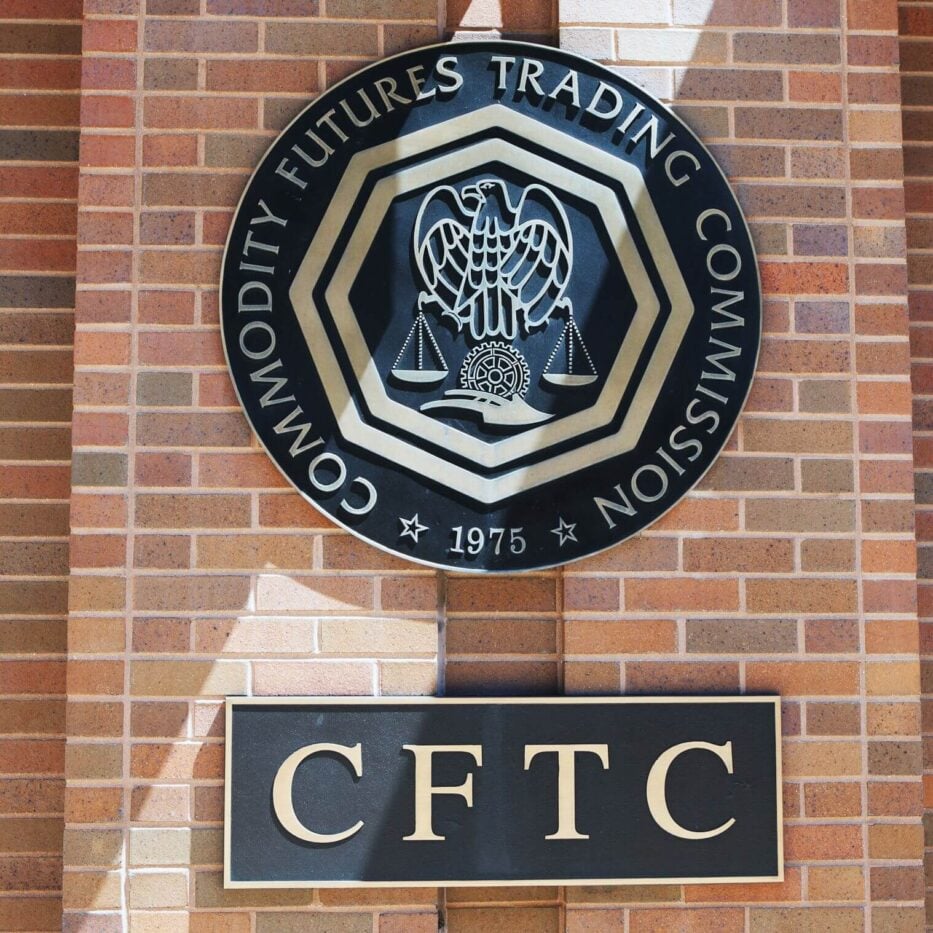
Key Points
Federal regulators filed a motion requesting the court prevent Arizona from applying gambling statutes to Kalshi’s operations.
The CFTC and Justice Department maintain that sports event contracts meet the criteria for swaps under the Commodity Exchange Act.
Federal attorneys assert exclusive authority over these financial instruments, citing national derivatives market oversight responsibilities.
State officials contend the contracts operate as sports betting and fall under Arizona’s gaming regulations.
Criminal proceedings against Kalshi continue, with an arraignment date set for April 13.
Federal authorities have petitioned a court to prevent Arizona from pursuing gambling law enforcement actions against Kalshi. Regulators maintain that sports event contracts belong under federal derivatives oversight. The motion establishes a clear jurisdictional conflict regarding the classification of these financial products.
Federal Agencies Assert Swap Classification Determines Regulatory Authority
The Commodity Futures Trading Commission and the Department of Justice submitted their legal position on Tuesday evening. They requested judicial intervention to prevent Arizona from imposing state betting regulations on Kalshi’s platform.
The federal brief said these contracts derive value from future event outcomes and satisfy statutory swap definitions. Regulators emphasized that federal oversight applies to such instruments regardless of whether they reference sporting events or elections.
According to the submission, the Commodity Exchange Act establishes CFTC authority as the sole regulatory body for swaps. Consequently, federal lawyers maintain Arizona lacks standing to classify these products as prohibited gaming activities.
Government attorneys emphasized that contractual mechanics determine regulatory classification rather than underlying subject matter. They noted that financial exposure can stem from numerous future occurrences, spanning sports results to weather patterns.
The motion also highlighted concerns about fragmented state-level regulation. Federal counsel argued that Congress established unified oversight for derivatives markets nationwide.

State Criminal Charges Create Jurisdictional Showdown
Arizona has adopted an aggressive enforcement posture compared to many jurisdictions facing similar issues. State prosecutors initiated criminal proceedings against Kalshi under existing gaming statutes.
State officials maintain that contracts based on sports outcomes function identically to traditional sportsbook wagers. Arizona asserts these activities must comply with state licensing requirements, age restrictions, and consumer safeguards.
The confrontation intensifies as additional states question the legality of sports-related contracts on prediction markets. Arizona distinguished itself by pursuing criminal sanctions rather than limiting action to civil penalties.
Kalshi maintains that federal statutory authority permits its exchange to offer these contract types. The platform asserts states cannot supersede federal regulatory approval of event-based contracts.
Judicial rulings across jurisdictions have produced mixed outcomes. A federal appellate panel in New Jersey recently ruled in Kalshi’s favor regarding sports contracts.
That tribunal determined these contracts carry presumptive legality under federal statutes unless the CFTC takes contrary action. Different courts, meanwhile, have permitted ongoing state enforcement initiatives.
The federal submission warned that state-level criminal actions threaten to fragment markets Congress designated for centralized federal regulation. Attorneys drew parallels between sports contracts and derivatives referencing commodity prices or benchmark rates.
Government lawyers urged courts to prioritize legal categorization over popular interpretation. They argued that public familiarity with sporting events does not transform regulated financial contracts into gambling activities.
Judicial authorities must now determine whether Arizona possesses enforcement power over Kalshi. Criminal proceedings advance, with the arraignment proceeding scheduled for April 13.
This filing represents the most explicit federal endorsement of Kalshi’s legal position to date. The submission reinforces the CFTC’s interpretation that sports event contracts qualify for federal derivatives regulation.
Get 3 Free Stock Ebooks
Discover top-performing stocks in AI, Crypto, and Technology with expert analysis.
- Top 10 AI Stocks - Leading AI companies
- Top 10 Crypto Stocks - Blockchain leaders
- Top 10 Tech Stocks - Tech giants



