


Key Highlights
- Tehran mandates Bitcoin payments for all shipping vessels transiting the Strait of Hormuz waterway.
- The cryptocurrency toll system launches during a two-week diplomatic ceasefire with Washington.
- Digital currency enables Iran to operate outside traditional banking networks affected by economic restrictions.
- Shipping operators receive Bitcoin payment demands prior to passage with limited time frames for transaction completion.
- This initiative positions cryptocurrency as a critical component in international maritime disputes.
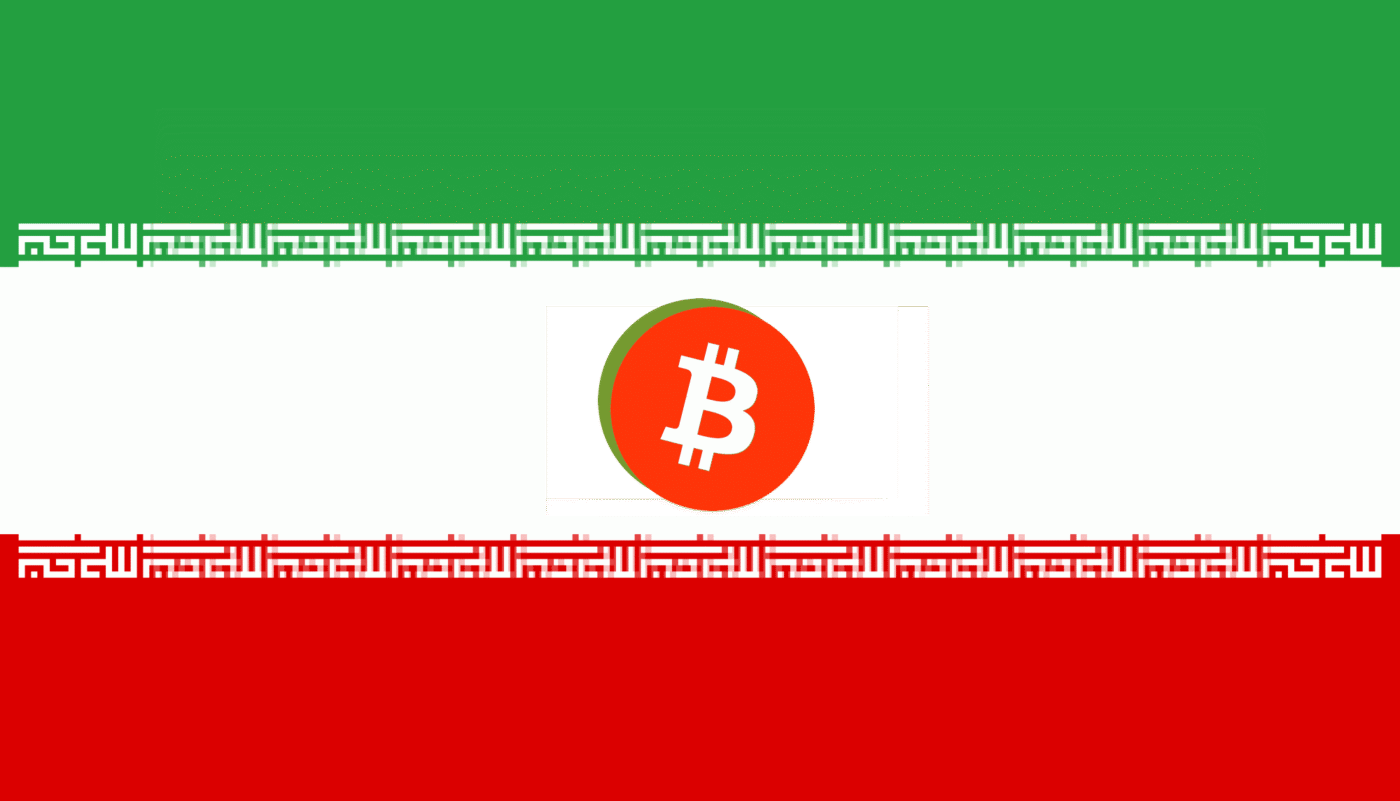
Tehran has unveiled a directive requiring all maritime vessels to settle transit fees in Bitcoin when crossing the Strait of Hormuz. The initiative emerges during a temporary diplomatic ceasefire between Iran’s government and Washington, marking a significant transformation in bilateral relations. This cryptocurrency-based toll framework positions digital assets as essential instruments in worldwide shipping operations, establishing an unprecedented precedent for blockchain technology in cross-border commerce.
Cryptocurrency Payment Framework for Strategic Waterway
The revised system mandates that petroleum carriers and commercial ships requesting authorization to navigate the Strait of Hormuz must remit tolls exclusively through Bitcoin transactions. Iranian maritime officials transmit payment invoices to vessel operators, who face strict deadlines to validate and complete their cryptocurrency transfers. Upon successful payment verification, authorities grant passage clearance.
This strategic approach enables Tehran to bypass traditional banking channels that have faced restrictions through economic sanctions. Implementing Bitcoin as the payment mechanism provides Iran with autonomous control over revenue collection while eliminating dependence on conventional financial institutions.
“Bitcoin offers an alternative to the conventional banking system, which has been limited for years due to sanctions,” stated one Iranian official.
Strategic Implications of Digital Asset Adoption
For Iranian authorities, cryptocurrency serves as a calculated mechanism to generate revenue while circumventing financial restrictions. This transition to blockchain-based payments allows Tehran to avoid dollar-denominated transactions that face limitations under American economic measures. Through Bitcoin integration, Iran seeks to maintain sovereignty over a critical petroleum shipping corridor used for global energy transport.
The announcement has generated substantial market activity and analytical discussion regarding cryptocurrency’s emerging role in international trade dynamics. Bitcoin valuations climbed beyond $72,500 following the ceasefire declaration, demonstrating renewed investor confidence as geopolitical tensions show signs of easing.
Adopting cryptocurrency for mandatory toll collection positions Bitcoin within a complex international maritime scenario. While the framework grants Iran enhanced autonomy over its territorial waters and revenue streams, shipping companies face challenges associated with digital currency price fluctuations. The broader consequences of this payment system remain to be fully understood, yet the move clearly indicates growing acceptance of alternative settlement methods in global commerce.

Get 3 Free Stock Ebooks
Discover top-performing stocks in AI, Crypto, and Technology with expert analysis.
- Top 10 AI Stocks - Leading AI companies
- Top 10 Crypto Stocks - Blockchain leaders
- Top 10 Tech Stocks - Tech giants



