



Key Takeaways
- A two-week ceasefire between the US and Iran has reopened the Strait of Hormuz for maritime traffic
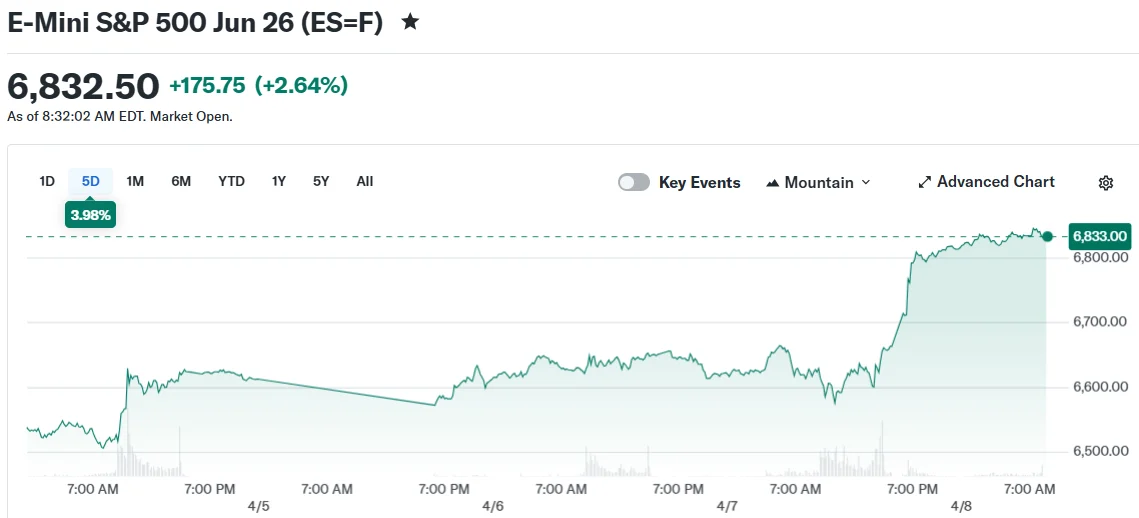
- Major indices posted significant gains, with the Nasdaq climbing 3.5% and the Dow advancing more than 1,300 points
- Energy markets tumbled as Brent crude plunged nearly 16% and WTI declined almost 18%
- Wedbush analysts argue the ceasefire establishes favorable conditions for technology equities and the Magnificent 7
- The investment firm contends that software stock declines have been excessive and a market floor has likely formed
A significant diplomatic breakthrough occurred Wednesday as the United States and Iran established a two-week ceasefire, sparking widespread market optimism and causing energy prices to plummet. The agreement notably includes Iran’s commitment to lift its naval blockade of the strategically vital Strait of Hormuz.
Announcing the development on Truth Social, President Trump stated: “I agree to suspend the bombing and attack of Iran for a period of two weeks. This will be a double sided CEASEFIRE!” The announcement received swift confirmation from Iranian Foreign Minister Abbas Araghchi.
The Strait of Hormuz represents one of the world’s most crucial energy corridors, spanning just 21 miles at its narrowest point. News of its reopening triggered an immediate collapse in petroleum markets.
Brent crude contracts tumbled nearly 16% to settle slightly above $91 per barrel, while West Texas Intermediate crude plummeted almost 18% to approximately $92 per barrel.
Equity markets across the United States responded enthusiastically to the diplomatic progress. The S&P 500 advanced 2.5%, the Nasdaq Composite surged 3.5%, and the Dow Jones Industrial Average jumped 2.9%, translating to gains exceeding 1,300 points.
Technology Sector Positioned for Gains
Wedbush Securities indicated that the ceasefire establishes favorable “risk-on” market conditions particularly beneficial for technology equities. The firm highlighted the Magnificent 7 group — Nvidia, Apple, Amazon, Tesla, Meta, Alphabet, and Microsoft — as primary potential winners.

In client communications, Wedbush’s research team noted that “a nervous geopolitical backdrop over the past few months has created an oversold tech environment” affecting these major technology players and other artificial intelligence-focused companies.
The firm dismissed concerns that emerging AI enterprises such as Anthropic and OpenAI pose existential threats to established enterprise software providers. Following extensive consultations with chief information officers throughout the sector, analysts determined that organizations prioritize collaboration on AI-powered workflows rather than wholesale replacement of current systems.
Wedbush specifically identified Microsoft, Salesforce, and ServiceNow as companies experiencing “very disconnected selloffs” that don’t reflect their substantial AI revenue generation opportunities.
Falling Energy Prices Boost Rate Cut Speculation
The dramatic decline in petroleum prices amplified speculation that the Federal Reserve might restart its interest rate reduction cycle before year-end. Diminished oil costs alleviate inflationary pressures, potentially providing the central bank greater flexibility in monetary policy decisions.
The Federal Reserve’s March policy meeting minutes were scheduled for Wednesday afternoon release, with market participants anticipating insights into how officials have been evaluating the economic implications of Middle Eastern tensions.
Regarding corporate earnings, Delta Air Lines was preparing to announce quarterly financial results before market open. Analysts were particularly interested in assessing the conflict’s financial impact following route suspensions and elevated aviation fuel expenses.
The ceasefire arrangement extends for two weeks. According to the Iranian foreign ministry’s official statement, vessels must coordinate passage through the Strait of Hormuz with Iran’s Armed Forces throughout the truce period.
Get 3 Free Stock Ebooks
Discover top-performing stocks in AI, Crypto, and Technology with expert analysis.
- Top 10 AI Stocks - Leading AI companies
- Top 10 Crypto Stocks - Blockchain leaders
- Top 10 Tech Stocks - Tech giants



