



Key Takeaways
- The IMF cautioned that tokenization presents transmission channels for crypto volatility into conventional financial markets.
- Instant settlement mechanisms can minimize counterparty risk while potentially accelerating crisis conditions.
- Automated blockchain systems may execute margin calls and forced liquidations at unprecedented speeds.
- Stablecoins function as connecting infrastructure between digital asset platforms and traditional banking systems.
- Stablecoin viability hinges on adequate reserve assets and efficient withdrawal mechanisms.
The International Monetary Fund (IMF) issued a warning about tokenization serving as a conduit for cryptocurrency market volatility to enter mainstream financial systems. The institution noted that blockchain-based distributed ledger technology could fundamentally transform settlement infrastructure and cash flow management. The agency emphasized that accelerated transaction speeds might challenge existing supervisory mechanisms and emergency response protocols.
Instant Settlement Infrastructure Creates Speed-Related Vulnerabilities
The IMF said tokenization transfers various asset classes including currency, debt securities, and investment funds onto distributed blockchain networks. This technological shift enables immediate transaction finality without relying on conventional intermediary institutions. The agency characterized this approach as “atomic settlement,” completing ownership transfers in one unified operation. This framework has potential to minimize counterparty risk exposure throughout trading ecosystems.
The IMF emphasized that atomic settlement would require market participants to maintain real-time liquidity management capabilities. The analysis noted, “Stress events are likely to unfold faster, leaving less time for discretionary intervention.” Programmed protocols could initiate collateral demands and position closures automatically. Accelerated execution mechanisms might intensify downward price movements during turbulent market conditions.
The financial institution drew parallels to historical cryptocurrency market corrections. Blockchain-based smart contracts execute predetermined actions the moment trigger conditions occur. Market participants would face substantially compressed reaction windows during periods of heightened volatility. The organization emphasized that tokenized asset infrastructure requires grounding in secure settlement instruments.
The analysis underscored requirements for legally binding settlement finality standards. The IMF advocated for governance structures capable of functioning across multiple regulatory territories. These protective measures would support broader financial system stability, according to the institution. Absence of such frameworks could challenge current regulatory architectures.

Stablecoin Integration Presents Cross-Border Regulatory Challenges
The IMF pinpointed stablecoins as critical linkage infrastructure connecting cryptocurrency ecosystems with conventional financial institutions. These digital tokens could function as settlement instruments within tokenized trading platforms. Stablecoins generally maintain value pegs to government-issued currencies like the US dollar. Their operational stability relies on sufficient reserve holdings and functional redemption processes.
The analysis cautioned that stablecoins could experience bank-run dynamics during market turbulence. Withdrawal systems must maintain operational continuity to prevent liquidity disruptions. Erosion of market confidence could prompt rapid redemption requests. Such capital movements might deplete reserve assets and create exposures for connected financial entities.
The IMF addressed international dimensions of tokenization adoption. Tokenized assets can transfer across national boundaries within seconds. Regulatory authorities may encounter difficulties monitoring capital movements with adequate granularity. The institution expressed concerns regarding potential capital exodus and currency replacement scenarios in developing economies.
The organization advocated for enhanced legal clarity governing tokenized financial instruments. Strengthened international regulatory cooperation received emphasis in the recommendations. The document contended that inconsistent jurisdictional standards could compromise effective supervision.
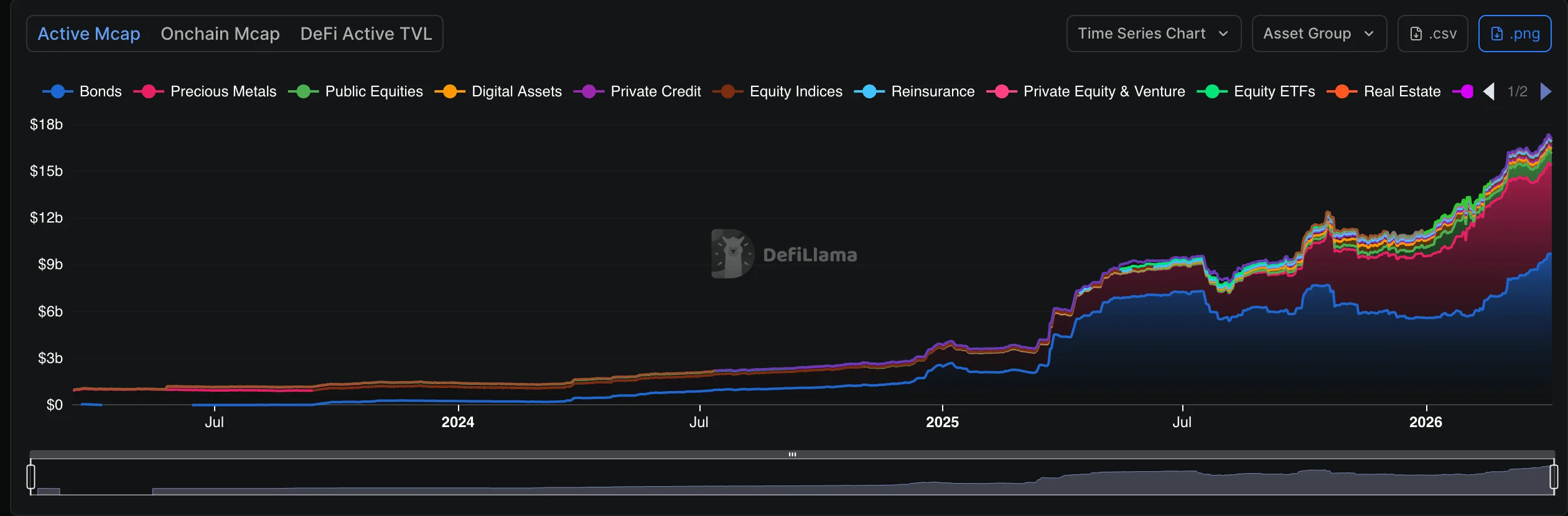
Source: DeFiLlama
DeFiLlama tracking shows tokenized real-world assets have surpassed $23.2 billion in aggregate value, with stablecoins excluded from this calculation.
Get 3 Free Stock Ebooks
Discover top-performing stocks in AI, Crypto, and Technology with expert analysis.
- Top 10 AI Stocks - Leading AI companies
- Top 10 Crypto Stocks - Blockchain leaders
- Top 10 Tech Stocks - Tech giants



