


TLDR
- An imposter X profile pretended to be Jonathan the tortoise’s veterinarian and declared his passing
- Major outlets including BBC, Daily Mail, and USA Today fell for the scam, with posts reaching 2 million views
- The fraudulent account requested cryptocurrency contributions throughout the deception
- Saint Helena’s governor personally verified Jonathan was alive after receiving worldwide inquiries
- Cryptocurrency fraud reached unprecedented levels in 2025, totaling $17 billion in stolen funds
An elaborate social media deception claiming the demise of Earth’s oldest known terrestrial creature evolved into a cryptocurrency fraud scheme that successfully deceived prominent international news organizations.
Jonathan the Tortoise is alive and well 🐢
• He’s ~193 years old — the longest-living land animal on Earth
• A suspected crypto scammer went viral on April Fools Day pretending to be his vet
(via @BritishOverseas) pic.twitter.com/YiV4ZNK7i0
— Culture Crave 🍿 (@CultureCrave) April 1, 2026
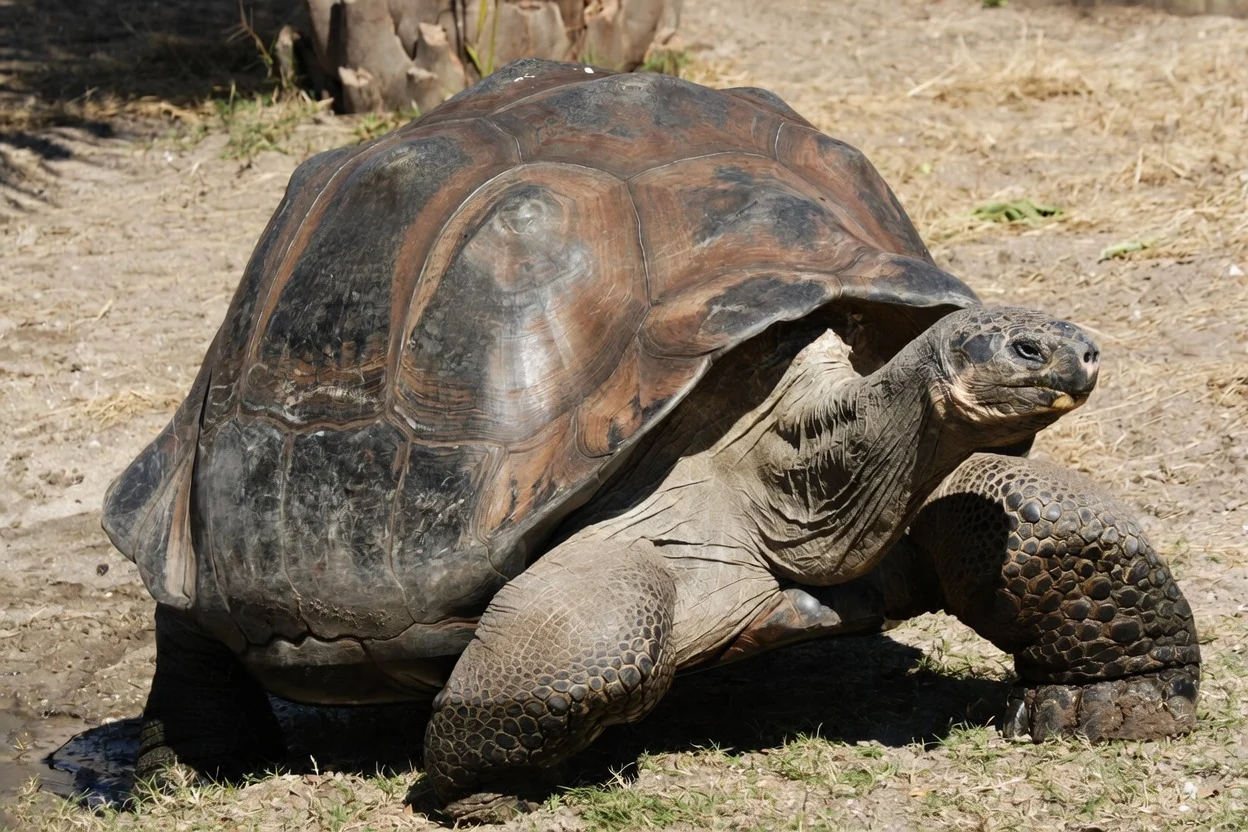
Jonathan, a Seychelles giant tortoise aged 194 years who resides on Saint Helena island, became the subject of false death reports this week when a fraudulent X account disseminated the narrative to millions of online users.
The imposter profile adopted the identity of Joe Hollins, Jonathan’s actual veterinary caretaker. The account expressed being “heartbroken” while announcing that Jonathan had “passed away peacefully.”
The fabricated announcement rapidly accumulated two million views. International news organizations including the BBC, Daily Mail, and USA Today subsequently published obituaries reporting Jonathan’s death, relying on the account as their source.
The truth: the authentic Joe Hollins maintains no presence on X whatsoever. He verified that the announcement was entirely fraudulent.
“Jonathan the tortoise is very much alive,” Hollins told USA Today. “I believe on X the person purporting to be me is asking for crypto donations… it’s a con.”
Investigation revealed the counterfeit account operated from Brazil rather than Saint Helena.

How the Truth Came Out
Nigel Phillips, governor of Saint Helena, was preparing to retire for the evening when international messages began arriving en masse. He personally ventured outside during nighttime hours to verify the tortoise’s condition firsthand.
Jonathan the Giant Tortoise’s death has been revealed to be a hoax, and the big guy is alive and well at the age of 193.
A crypto scammer created an account impersonating his caretaker and spread misinformation to several media outlets. pic.twitter.com/ybEonk8fDJ
— Pubity (@pubity) April 1, 2026
He discovered Jonathan precisely where expected — resting beneath a tree within his enclosure.
“Jonathan is asleep under a tree in the paddock,” Phillips told The Guardian. He confirmed the animal was “very much alive.”
By the following morning, Phillips addressed the situation with humor on social media. He referenced Mark Twain, stating the “report of my death was an exaggeration.”
The Friends of the British Overseas Territories issued an online statement, observing that the account had recently modified its username while actively requesting cryptocurrency contributions.
Guinness World Records acknowledged the news with a relieved “phew.”
Jonathan’s Condition
Beyond the digital commotion, Jonathan maintains good health considering his advanced age. While cataracts have caused blindness and he’s lost his olfactory capability, his appetite remains strong and he continues regular activity.
He resides at Plantation House, the official governor’s residence, alongside three companion tortoises: Emma, David, and Fredrik.
Jonathan’s remarkable lifespan has encompassed eight British monarchs, two global conflicts, and the complete emergence of the digital era.
News organizations that initially reported his death have subsequently withdrawn their publications.
This deception represents a broader pattern of cryptocurrency fraud employing impersonation strategies. Blockchain intelligence company Chainalysis reports that cryptocurrency scam losses reached an unprecedented $17 billion throughout 2025.
The typical scam transaction increased 253% to $2,764, fueled by artificial intelligence-enabled impersonation and progressively advanced fraudulent operations.
Get 3 Free Stock Ebooks
Discover top-performing stocks in AI, Crypto, and Technology with expert analysis.
- Top 10 AI Stocks - Leading AI companies
- Top 10 Crypto Stocks - Blockchain leaders
- Top 10 Tech Stocks - Tech giants



