


Key Takeaways
- Federal regulators initiated legal proceedings against Illinois, Connecticut, and Arizona regarding their crackdown on prediction market operators.
- State authorities issued cease-and-desist orders to companies like Kalshi and Polymarket, alleging unlicensed gambling activities.
- Federal officials maintain exclusive regulatory control over prediction markets through the Commodity Exchange Act.
- A total of 11 states have pursued enforcement actions against prediction market operators.
- CFTC Chairman Mike Selig cautioned that state interference threatens market stability and registered entities.
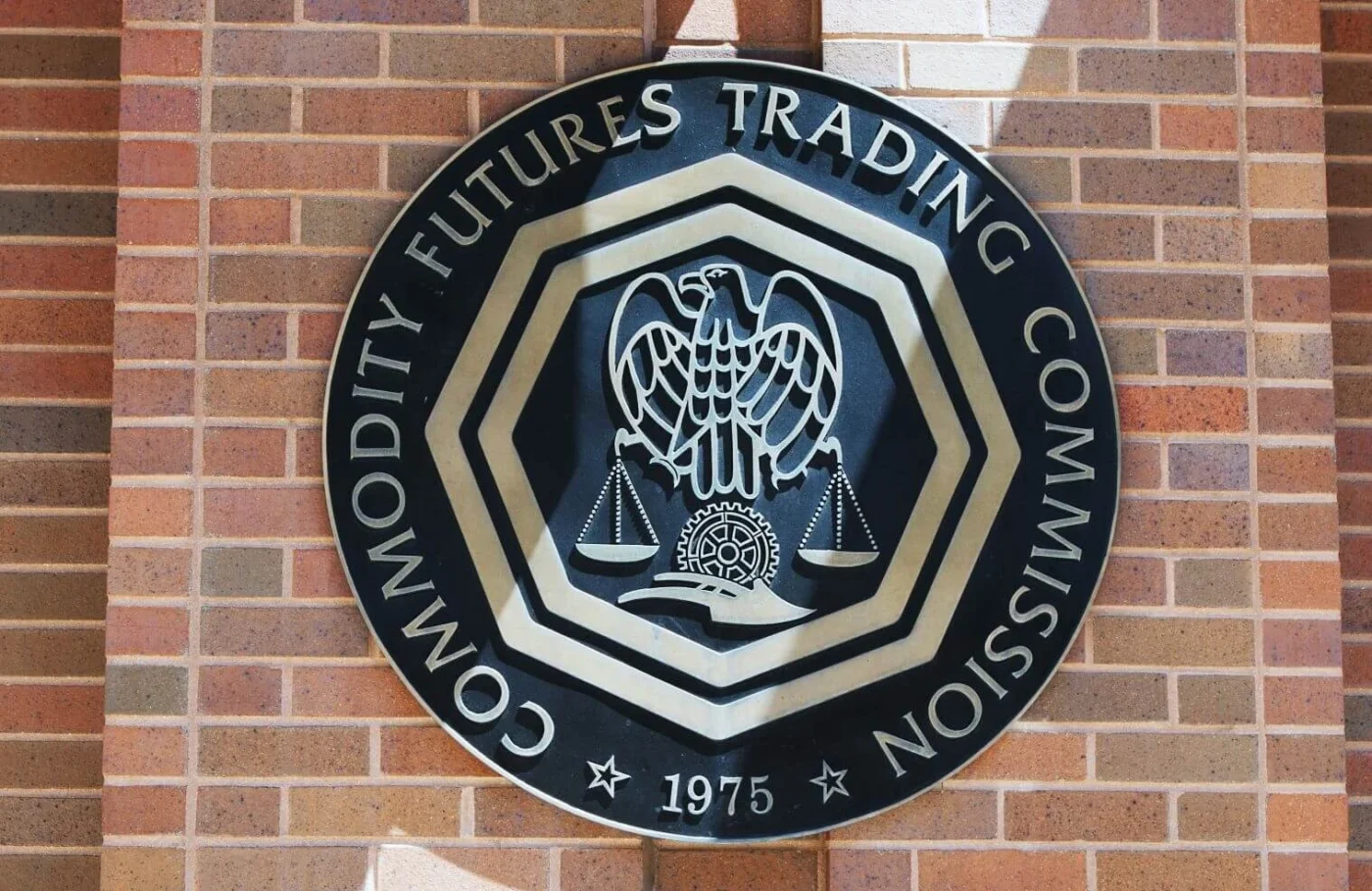
Federal regulators launched legal challenges against Illinois, Connecticut, and Arizona following these states’ efforts to block prediction market operators such as Kalshi and Polymarket. The regulatory agency asserts that congressional law grants it exclusive oversight of these trading platforms. State officials counter that these services constitute unauthorized gambling ventures.
The Commodity Futures Trading Commission and the Department of Justice initiated the legal actions on Thursday, April 2, 2026.
The conflict began when state regulators issued cease-and-desist orders to prediction market operators in 2025. State authorities maintained that these platforms provided sports wagering products requiring state gambling licenses.
Federal regulators reject this interpretation. They contend that prediction markets facilitate event contracts, which qualify as derivative swaps. According to the Commodity Exchange Act, such financial instruments belong under federal regulatory authority exclusively.
“Event contracts are derivative instruments that enable parties to trade on their predictions about whether a future event will occur,” according to the Illinois court filing.
The federal lawsuit targeting Illinois names Governor JB Pritzker, Attorney General Kwame Raoul, and the Illinois Gaming Board as defendants. State gaming regulators had categorized event contracts as “wagers” or “sports betting,” a designation federal authorities dispute.
Illinois mounted a vigorous defense. A representative for Governor Pritzker accused the Trump administration of “carrying water for companies driving well-documented and lucrative insider trading schemes.”
Jurisdictional Battle Intensifies
State officials also criticized the platforms for generating “record profits” while failing to implement “basic consumer protections.” Illinois vowed to continue defending its regulatory authority.

CFTC Chairman Mike Selig condemned the states’ enforcement efforts. “These states’ aggressive and overzealous attempts to overstep the CFTC have led to market uncertainty and risks destabilizing effects for market participants and our registrants,” he stated.
Selig further argued that Congress previously dismissed state-by-state regulatory approaches for these markets, characterizing such a system as a “fragmented patchwork” that weakens consumer safeguards and increases fraud vulnerability.
The controversy extends beyond these three states. A total of eleven states — including Nevada, New Jersey, New York, Maryland, and additional jurisdictions — have pursued enforcement measures against prediction market operators.
Nevada’s Gaming Control Board recently obtained a temporary restraining order targeting Kalshi, with court proceedings scheduled for Friday.
Looking Ahead
Congressional action looms on the horizon. Legislative proposals seek to prohibit sports-related event contracts altogether and prevent political insiders from trading on prediction markets connected to military operations.
Federal regulators are scheduled to appear before the Ninth Circuit Court of Appeals in late April. The consolidated proceeding involves Kalshi, Robinhood, and the North American Derivatives Exchange.
The CFTC notes that it first formally acknowledged event contracts in 1992 and has maintained regulatory jurisdiction continuously since that time.
Get 3 Free Stock Ebooks
Discover top-performing stocks in AI, Crypto, and Technology with expert analysis.
- Top 10 AI Stocks - Leading AI companies
- Top 10 Crypto Stocks - Blockchain leaders
- Top 10 Tech Stocks - Tech giants



