


Key Takeaways
- Bitcoin declined 2.2% to $66,609 following Trump’s address that offered no resolution to the Iran conflict
- Solana experienced the steepest decline among major cryptocurrencies, plummeting 5.2%
- All three major U.S. stock index futures declined over 1% in post-speech trading
- Brent crude oil jumped 5% past $106 per barrel amid escalating tensions
- Market sentiment remains deeply pessimistic with the Fear and Greed Index registering 8
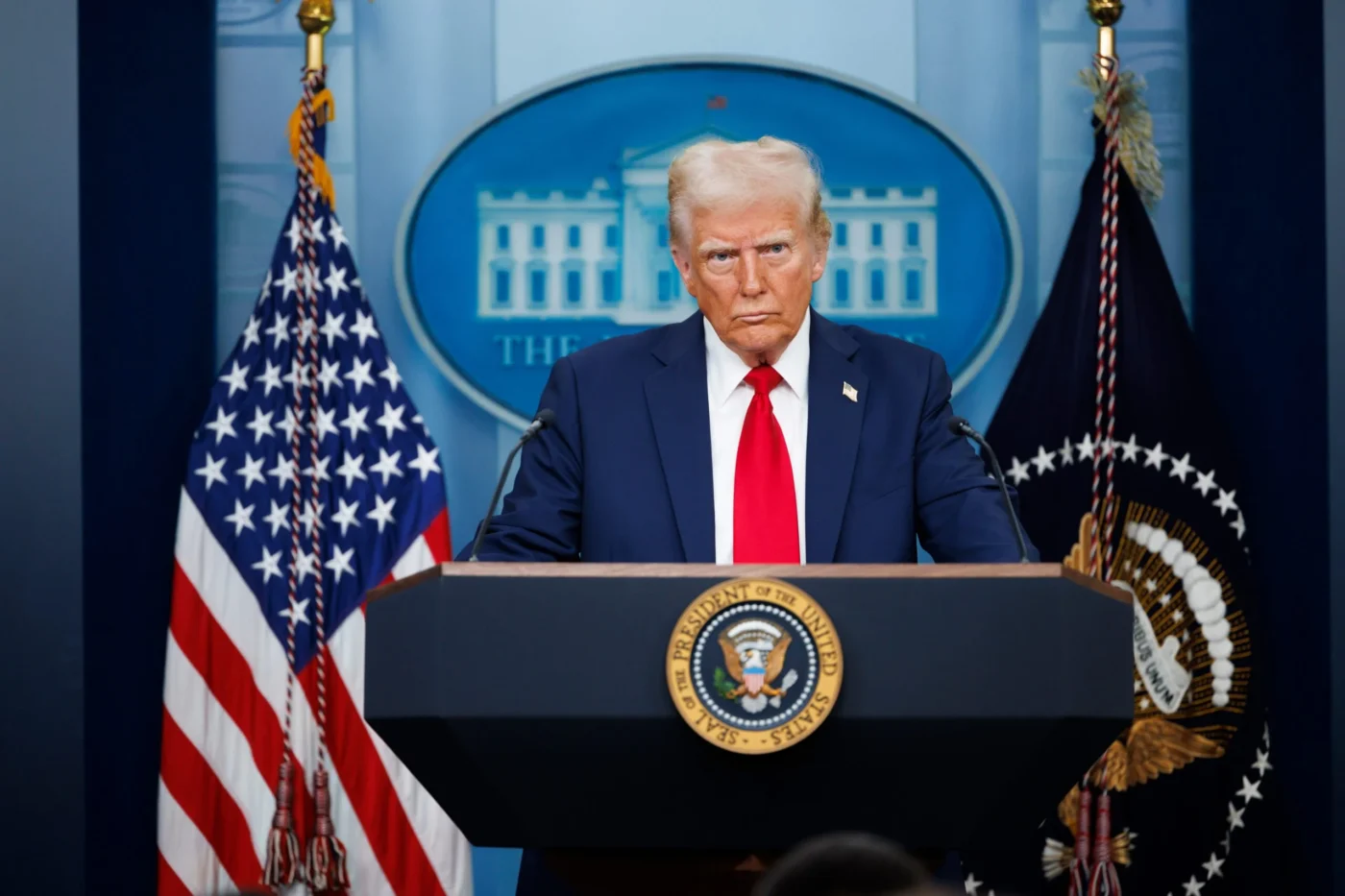
Digital assets, equities, and cryptocurrency markets experienced widespread declines Wednesday evening after President Trump’s televised national address failed to provide investors with any pathway toward de-escalation in the U.S.-Israeli conflict with Iran.
NOW – Trump on Iran: “We’re going to hit them extremely hard over the next 2-3 weeks. We’re going to bring them back to the stone ages, where they belong!” pic.twitter.com/knSmNB9OQk
— Disclose.tv (@disclosetv) April 2, 2026
During his primetime remarks, Trump declared that American military forces would strike Iran “extremely hard” throughout the coming two to three weeks—a message that disappointed market participants seeking signs of détente.
Prior to the president’s speech, market sentiment had been tilting cautiously bullish. Trump’s earlier comments hinted at a potential conflict resolution within weeks, suggesting a comprehensive Tehran agreement might not be necessary. Asian equity markets had rallied 4%, while S&P 500 futures climbed sharply. Investor confidence had reached its highest point in over a month.
The address quickly reversed this optimism. Throughout nearly 20 minutes of remarks, Trump delivered no policy changes regarding Iran, provided no ceasefire timetable, and outlined no concrete details about upcoming military actions.
Bitcoin retreated 2.2% to $66,609, erasing previous session gains. Ether slipped 2.2% to $2,056. BNB decreased 3.9% to $591. XRP declined 2.5% to $1.31.
Among the ten largest cryptocurrencies by market capitalization, Solana posted the most significant losses, declining 5.2% and pushing its seven-day decline to 13%.
Equity Futures Mirror Crypto Weakness
American stock index futures tracked cryptocurrency markets downward. S&P 500 futures contracted 1.3%. Nasdaq 100 futures slid 1.6%. Dow Jones futures retreated 1.2%.

Global equity markets registered similar losses. Asian equities dropped 2.1% following Trump’s remarks. The greenback strengthened relative to other currencies. Government bonds sold off amid rising inflation expectations.
Brent crude surged 5% to trade above $106 per barrel. Oil prices have climbed approximately 40% since conflict erupted in late February. The strategically vital Strait of Hormuz, shuttered since mid-March, continues blocking a major oil transportation route. Trump indicated it would reopen “naturally” following the conflict’s conclusion without specifying when that might occur.
Bitcoin Remains Range-Bound for Fifth Consecutive Week
Bitcoin has remained confined within a trading range of approximately $60,000 to $73,000 for five consecutive weeks. The digital currency declines on conflict escalation reports and advances on de-escalation developments.
The Fear and Greed Index currently registers 8, indicating extreme fear among market participants. This metric has oscillated between 8 and 14 throughout the past 30 days.
Certain market analysts reference historical seasonal trends for optimism. April has traditionally delivered strong bitcoin performance, closing positively in 10 of the previous 15 years with average returns of 20.9%.
Bitcoin also found support at its two-month ascending trendline near $60,000 last week and is attempting to reclaim its 50-day moving average.
Thursday represents the final trading session of this holiday-abbreviated week, with Good Friday bringing market closures. Economic data releases include weekly unemployment claims Thursday morning and the March employment report Friday.
Trump acknowledged that Iran’s leadership had initiated ceasefire discussions with Washington, though he emphasized any agreement remains contingent upon the Strait of Hormuz being reopened to commercial traffic.
Get 3 Free Stock Ebooks
Discover top-performing stocks in AI, Crypto, and Technology with expert analysis.
- Top 10 AI Stocks - Leading AI companies
- Top 10 Crypto Stocks - Blockchain leaders
- Top 10 Tech Stocks - Tech giants



