


Key Takeaways
- Crypto ATM scams surge as US fraud losses reach nearly $247 million
- Scammers pressure victims to send cash through crypto ATMs fast
- FBI logs over 10,900 complaints tied to crypto ATM fraud in 2024
- DeFi tools, mixers, and cross-chain bridges complicate tracking
- AI and blockchain analytics help authorities detect crypto crime faster
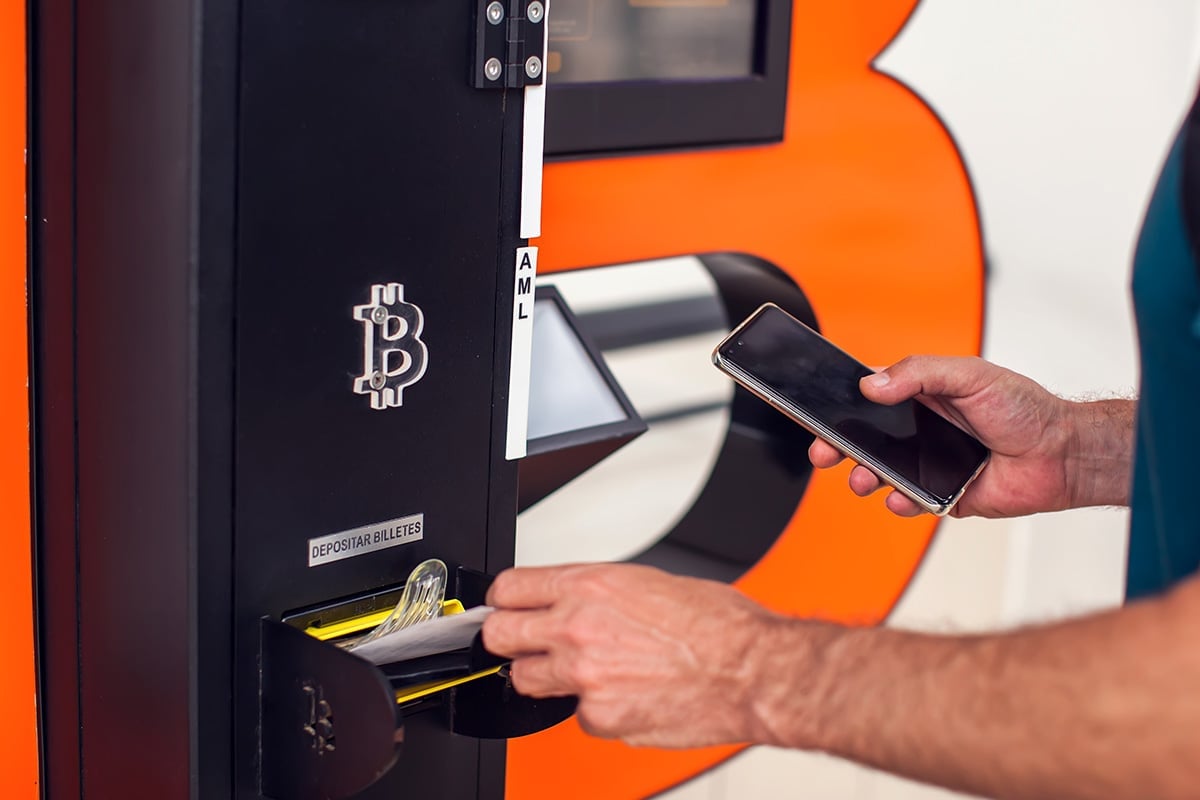
The U.S. Treasury Department has issued a stark warning about cryptocurrency ATM kiosks becoming a favored mechanism for financial fraud. The agency documented substantial increases in both complaint volumes and monetary losses associated with these cash-to-digital currency machines. Federal officials emphasized the urgent need for enhanced regulatory oversight as criminals exploit these platforms to rapidly extract funds from victims.
Explosive growth in Crypto ATM-related fraud cases
Treasury Department analysis revealed a dramatic escalation in fraudulent schemes targeting cryptocurrency ATM users throughout the nation. Criminal organizations frequently manipulate victims into depositing physical currency and transmitting digital assets to wallet addresses under their control. Law enforcement agencies note these operations depend heavily on creating artificial time pressure and exploiting gaps in transaction monitoring.
Federal law enforcement documented thousands of criminal cases involving Crypto ATM exploitation over the previous twelve months. The FBI compiled more than 10,900 formal complaints related to fraudulent activity at these automated kiosks throughout 2024. Total documented financial damages from these reported incidents approached approximately $246.7 million across the country.
Authorities observed that perpetrators commonly provide detailed instructions to victims throughout Crypto ATM transactions. Many fraudsters impersonate federal officials, corporate employees, or financial consultants to establish credibility. Senior citizens frequently become prime targets as scammers leverage time-sensitive scenarios and technical confusion during the transfer process.
Alternative cryptocurrency pathways enable money laundering
Treasury investigators examined additional digital currency channels that criminals leverage to conceal illicit proceeds. Certain mixing services aggregate cryptocurrency from numerous sources to disguise the original transaction trail. These mechanisms significantly increase the difficulty of blockchain forensic analysis for law enforcement teams.
Decentralized finance ecosystems present additional vulnerabilities when service providers implement insufficient customer identification protocols. These platforms facilitate lending activities, asset exchanges, and derivative contracts without centralized financial oversight. Regulatory bodies indicated that criminals occasionally abuse these systems to rapidly relocate stolen assets.

Cross-blockchain transfer protocols further obstruct investigations when criminals integrate them with Crypto ATM transactions. Perpetrators move digital assets between multiple blockchain infrastructures to diminish forensic tracing capabilities. Investigators noted that multi-layered transaction schemes generate intricate money laundering networks spanning international boundaries.
Technological solutions and policy measures advance countermeasures
Treasury representatives indicated that improved surveillance infrastructure could mitigate threats associated with cryptocurrency ATM networks. Financial service providers increasingly deploy blockchain forensic software to recognize suspicious wallet groupings and high-risk transaction counterparts. These analytical platforms assist investigators in following illegal fund movements across transparent distributed ledgers.
Artificial intelligence frameworks additionally enable organizations to flag abnormal transaction behaviors connected to cryptocurrency ATM usage. Machine learning algorithms can recognize abrupt volume increases or repetitive transfers among associated wallet addresses. Officials maintain that automated notification systems enhance fraud identification capabilities and accelerate investigative responses.
Legislators maintain ongoing discussions regarding comprehensive regulatory structures that address fraud vulnerabilities while encouraging technological advancement. Treasury officials advocated for technology-agnostic compliance standards that accommodate diverse financial service models. Regulators suggested that reinforced control mechanisms may curtail cryptocurrency ATM misuse while maintaining access to legitimate digital asset infrastructure.
Get 3 Free Stock Ebooks
Discover top-performing stocks in AI, Crypto, and Technology with expert analysis.
- Top 10 AI Stocks - Leading AI companies
- Top 10 Crypto Stocks - Blockchain leaders
- Top 10 Tech Stocks - Tech giants



